
Chasing Shadows: The Art of Photographic Light in Urban Photography
Chasing Shadows: The Art of Photographic Light in Urban Photography

Introduction: The City in Light and Shadow
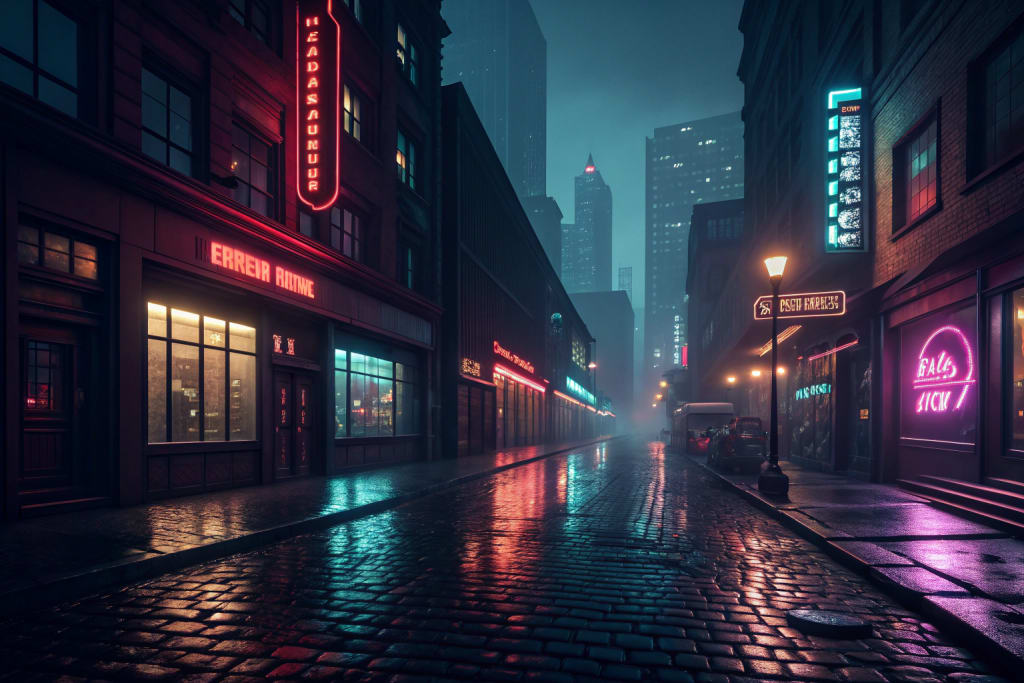
There is an odd sort of magic in city streets at the time just before dawn, when the city catches its breath and first light seeps into back alleys, casting a glance off rain-drenched pavement. Shadows lengthen thin and blue against the sides of brick buildings. Neon signs burst to life, casting pools of color that move against wet pavement. For the urban photographer, they are momentary jewels—ephemeral compositions that exist only for a second.
Urban photography isn't having a camera and pointing it at structures or crowds of individuals. It's about observing the dance of shadow and light, and understanding how light can make mundane cityscapes into tales of wonder. Light and darkness play out in language of time, mood, and the rhythm of human life. It requires technical skill to catch these fleeting moments, but equally patience, intuition, and increased sensitivity to environment.
In this article, we’ll explore the artistry of urban light—how to understand natural and artificial illumination, techniques for emphasizing shadows, crafting stories through composition, capturing motion and emotion, and learning from masters of the craft.
Understanding Light in the Urban Landscape
The first lesson in learning urban photography is to notice light. Cities are complex environments where multiple sources of light converge: early daylight, bounced glare, streetlights, car headlights, neon lights, and interior lighting all intersect to form the visual environment.
Natural Light: The quality of sunlight changes throughout the day. Golden hour, roughly an hour after sunrise and before sunset, bathes streets in warm illumination, smoothing out brash textures. Blue hour, that brief interval after sunset or prior to dawn, produces a rich, atmospheric light good for moody scenes. Cloudy days provide diffused light, softening shadows but preserving rich textures.
Artificial Lighting: Nights in cities rely on streetlights, shop fronts, and neon signs. An understanding of color temperature—warm yellows or cool whites—will help you take effective photographs. Artificial light can be used to highlight surfaces, provide framing for subjects, or create dramatic silhouettes.
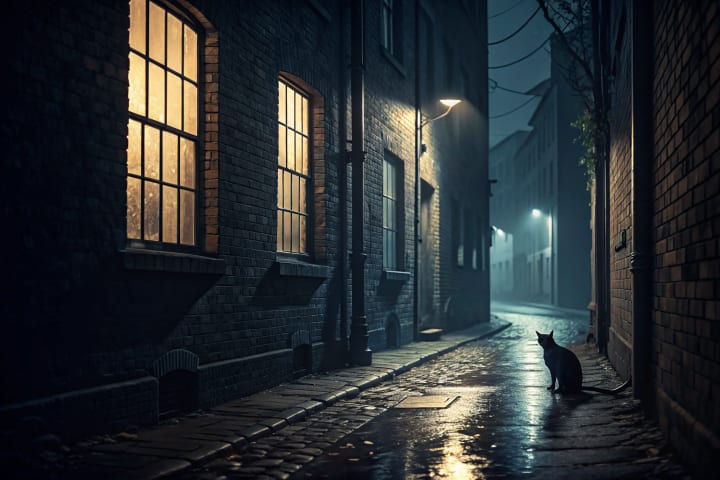
For example, a shadowy alley lit by a single, flickering light can be transformed into a stage, where light and shadow dance together to signify mystery or loneliness. Photographers must be capable of actualizing such secret stories in light, transcribing the unspoken dialogue of lightness and darkness.
Playing with Shadows and Contrast
Shadows are not merely light absence—shadows are story. Shadows produce space, highlight form, and can elicit emotion. Shadows interact with geometry in city photography: lampposts marching across brick frontage, scaffolding projecting jagged forms, individuals casting long outlines on pavement.
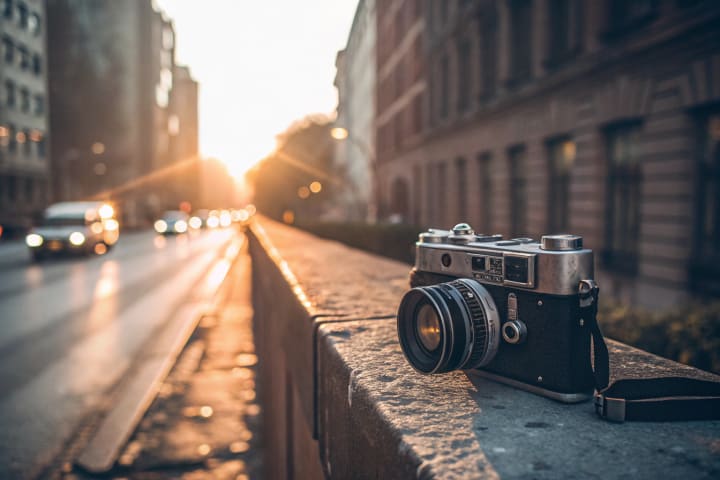
High Contrast: Acute contrast between light and dark can produce the cinematic, dramatic look. Recording a sunbeam cutting through a dark street increases texture and mood. Black-and-white photography often employs contrast to enhance the interaction of shapes, lines, and human figures.
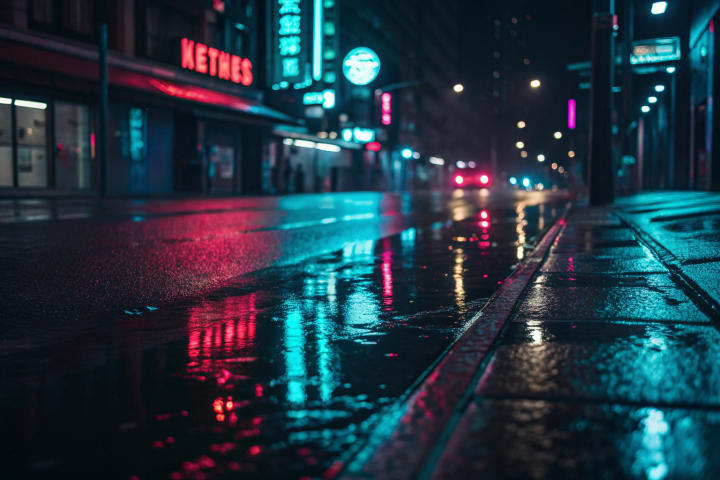
Reflections and Surfaces: Cities are replete with reflecting surfaces—glass, puddles, metal signs. Shadows on these surfaces double the visual narrative, creating layers of depth and mystery. For instance, a wet sidewalk can reflect neon lights and amp up silhouettes, merging reality and reflection.
Experimentation: Urban photographers experiment with overexposure, underexposure, and silhouettes to manage shadows. For example, photographing a person walking across a patch of light creates them a sharp silhouette against luminous backgrounds, showing movement, tension, or isolation.
Storytelling Through Composition
Photography is a matter of capturing light, but it is also one of telling stories. Cityscapes are inherently story- rich, with architecture, movement, and human life. The direction of light can guide the eye of the viewer, draw attention to emotional cues, or reveal hidden elements of a city.
Leading Lines and Geometry: Building facades, railings, and streets are well-suited to leading lines. Light spilling down a diagonal alleyway generates leading lines that direct the eye toward a vanishing point. Shadows and highlights accentuate these leading lines, transforming mundane urban forms into animated paintings.
Framing and Layers: Identify natural frames: doorways, arches, fences. Shadows themselves can serve as frames, containing moments in their darkness. Layering foreground, midground, and background creates depth, creating a sense of movement and temporality.
Framing the Invisible: At times the story is out there in the periphery—a column of light on an empty street through a window, a human form frozen half-way through a movement in a blur, a cat stationed in a column of light. City photography requires careful observation, watching for the thin line of contact between light, human movement, and building shape.
Motion and Emotion in Light
The city throbs with movement: cars racing past, pedestrians scurrying through crosswalks, bicycles making their way down thin streets. stopping movement is not just a function of velocity but of capturing energy, urgency, and rhythm.
Long Exposure: The second technique is long-exposure photography. When the shutter is left open, moving objects—cars, bicycles, even people—become streaks of light or out-of-focus blobs. This can intensify the city's rhythm while intensifying stationary objects, such as a lamp post casting a shadow down the sidewalk.
Frozen Motion: Conversely, freezing motion at high shutter can capture pivotal moments: a leaping dancer in a city square, a salesman gesturing to pedestrians, a street performer frozen in a beam of spotlight. Light and shadow define these moments, revealing narrative tension.
Emotion through Light: Light itself can express emotion. Low-angle, warm sunlight can be nostalgic or serene. Harsh fluorescent light can signal alienation or rush. The photographer's task is to transpose these moods visually, with light linking the scene to the viewer's imagination.
Learning from Street Photography Masters
A few of the best city photographers learned to master light as a theme and as a storytelling tool.
Henri Cartier-Bresson: Famous for the "decisive moment," Cartier-Bresson captured fleeting interactions between people and their environments. His black-and-white images accentuate contrast, geometry, and timing, showing how a shadow or burst of light can transform a prosaic setting into something beautiful.
Alex Webb: Webb's technical mastery of color and stacked-up composition demonstrates how city light reacts to culture. His photographs reveal vivid, chaotic streets where sun, neon, and shadow marry, creating rich, tale-filled complication.
Fan Ho: Post-war Hong Kong master of light, Ho used sharp contrasts and uncluttered silhouettes to bring cityscapes to life with mood and story. Alleys, stairways, and hazy streets become near-theatric under his fingers.
What can be learned from these photographers is that urban light is not only a technical element but a means of expression—an emotional and philosophical view by which the city becomes accessible.
Practical Tips for Urban Light Photography
1. Scout Your Locations: Visit streets at different times of day to see how light transforms. Look for strange angles and surfaces where shadows converge dramatically.
2. Use the Golden and Blue Hours: Use these times for their soft, diffused light and luscious color tones. The city is redefined by contrasted lighting, revealing texture not seen otherwise.
3. Collaborate with Shadows: Don't be afraid of darkness. Shadows can define form, guide composition, and hold emotional resonance.
4. Have Fun with Exposure: Experiment with shutter speed, aperture, and ISO to control the dance of light and motion. Overexpose or underexpose on purpose to create mood.
5. Observe Reflections: Puddles, windows, and metal surfaces provide various opportunities for layering, abstraction, and surprise contrast.
6. Seek Human Interaction: Light is more narrative when it comes across people. Seek out gestures, silhouettes, and shadows cast by pedestrians or cyclists.
7. Patience is Needed: Sometimes the perfect beam of light is fleeting. Waiting, observing, and anticipating forward is required in urban photography.
Philosophical Musings: Light as Perception
Urban photography isn't about instructing technique—it's about instructing observation. Light is transient, hard to catch, and redemptive. A street corner bathed in morning light can be mundane one day and sublime the next. When we react to light and shadow, we are exercising our eyes and our brains to see subtlety, to note the poetry of city life.
Pursuing light is a meditation, actually. It forces the photographer to slow down, observe deeply, and capture transience. Shadows are a reminder that loveliness is not only in light but also in space surrounding it, in negative space, in the unseen and the overlooked.
Conclusion: The Art of Seeing
Urban photography is a ballet with light—a dance of timing, perception, and creativity. Each photograph is a frozen conversation between the city and the viewer, capturing moments that would otherwise go unseen. Learning to read light, work shadows, and wisely compose brings photographers to reveal the secret life of urban streets.
Chasing shadows is not technical; it is philosophical. It tests one's patience, hones observation, and inculcates awareness. It tells us that each city, each alleyway, each street corner, is a canvas, waiting for eyes to see its fleeting beauty.
The next time you walk city streets early and late, notice the light dancing on rainy roads, the high lamppost shadows, the golden beams spilling between buildings. Stop. Get out your camera. Snap a photograph. By doing so, you participate in an ancient tradition: turning passing light into permanent art.
Urban photography has nothing to do with dominating the city—it's about savoring its poetry, shadow, reflection, and moment by moment.
About the Creator
The Chaos Cabinet
A collection of fragments—stories, essays, and ideas stitched together like constellations. A little of everything, for the curious mind.
Keep reading
More stories from The Chaos Cabinet and writers in Photography and other communities.
The Digital Divide: How Access to Technology Is Redefining Social Inequality
Introduction: The Promise of Technology vs. the Reality of Access In the 21st century, technology promises to bring people together, bridge distances, open doors to opportunity, and enable us to be more connected, better-informed lives. But while technology has really transformed much of modern life, the reality is that access to the digital machinery and the web remains unequal, creating a broad gap between those who are connected and those who are not. The "digital divide" is not an issue of technology—it is social, and it most heavily impacts marginalized populations and widens existing disparities.
By The Chaos Cabinetabout a month ago in Psyche




Comments
There are no comments for this story
Be the first to respond and start the conversation.