
Understanding the Causes, Symptoms, and Treatment Options for Colitis in Dogs
A Complete Guide to Identifying Digestive Inflammation and Restoring Your Dog’s Gut Health

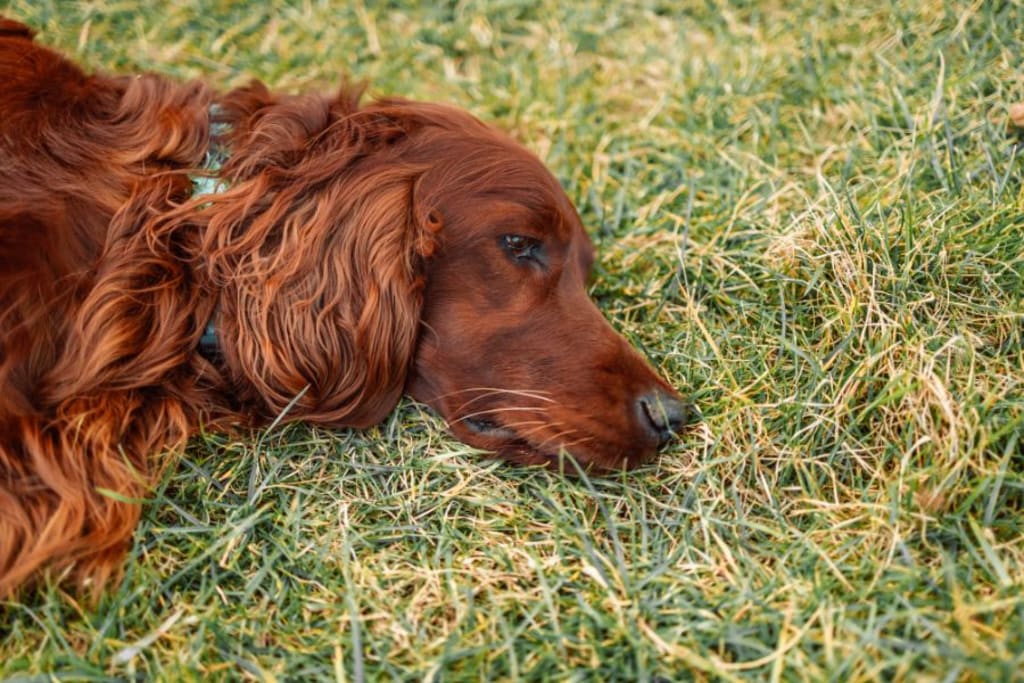
Colitis in dogs is a common gastrointestinal condition that affects the large intestine (colon). When the colon becomes inflamed, it can lead to uncomfortable and sometimes alarming symptoms for your pet.
While many cases are mild and resolve quickly, others may become chronic and require ongoing management. Understanding the causes, symptoms, and treatment options for colitis can help you act quickly and protect your dog’s digestive health.
What Is Colitis in Dogs?
Colitis refers to inflammation of the colon, the final part of your dog’s digestive tract. The colon’s primary role is to absorb water and store waste before elimination. When inflamed, it cannot function properly, leading to frequent bowel movements, loose stools, and discomfort.
Colitis can be classified into two main types:
- Acute colitis – Sudden onset, usually short-term
- Chronic colitis – Persistent or recurring symptoms lasting weeks or longer
Recognizing the difference is key to determining the right course of treatment.
Common Causes of Colitis in Dogs
Colitis can develop for a variety of reasons. Some of the most common triggers include:
1. Dietary Indiscretion
Dogs are naturally curious and may eat spoiled food, garbage, table scraps, or foreign objects. Sudden diet changes can also irritate the colon.
2. Food Allergies or Sensitivities
Certain ingredients may trigger inflammation in sensitive dogs. Protein sources like beef or chicken, or specific grains, may contribute to recurring symptoms.
3. Intestinal Parasites
Whipworms and other parasites can irritate the lining of the colon, leading to inflammation and diarrhea.
4. Bacterial Infections
Bacteria such as E. coli or Salmonella can cause digestive upset and inflammation.
5. Stress and Anxiety
Stress-related colitis is surprisingly common. Boarding, travel, new pets, or environmental changes can trigger temporary inflammation.
6. Inflammatory Bowel Disease (IBD)
Chronic immune-related inflammation, such as Inflammatory Bowel Disease, may cause long-term colitis requiring medical management.
7. Underlying Medical Conditions
Less commonly, tumors, pancreatitis, or other systemic illnesses may contribute to chronic colon inflammation.
Symptoms of Colitis in Dogs
Colitis typically affects the large intestine, so symptoms differ slightly from small intestinal diarrhea.
Common signs include:
- Frequent, small amounts of diarrhea
- Mucus or fresh red blood in stool
- Straining during bowel movements
- Urgency to defecate
- Increased gas
- Mild abdominal discomfort
Occasional vomiting
In acute cases, dogs often remain bright and active despite digestive upset. Chronic cases may show weight loss, lethargy, or decreased appetite over time.
If your dog experiences severe dehydration, persistent vomiting, or large amounts of blood in stool, immediate veterinary care is necessary.
Diagnosing Colitis
Your veterinarian will begin with a thorough physical examination and medical history. Be prepared to discuss:
- Recent diet changes
- Access to garbage or foreign objects
- Travel or boarding history
- Stressful events
- Deworming schedule
Diagnostic testing may include:
- Fecal examination (to check for parasites)
- Blood work
- X-rays or ultrasound
- Food elimination trials
- Colonoscopy (in chronic or severe cases)
Identifying the underlying cause is essential for effective treatment.
Treatment Options for Colitis in Dogs
Treatment depends on whether the colitis is acute or chronic and what triggered it.
1. Short-Term Fasting
For mild acute cases, veterinarians may recommend a brief fasting period (12–24 hours) to allow the digestive tract to rest.
2. Bland Diet
A temporary diet of boiled chicken and white rice or a prescription gastrointestinal diet helps soothe the colon.
3. Fiber Supplementation
Adding soluble fiber (such as pumpkin or veterinary-recommended fiber supplements) can help regulate bowel movements.
4. Probiotics
Probiotics help restore healthy gut bacteria and support digestive balance.
5. Deworming Medication
If parasites are detected—or suspected—appropriate deworming treatment will be prescribed.
6. Antibiotics
In bacterial infections or severe inflammation, antibiotics may be necessary.
7. Anti-Inflammatory or Immunosuppressive Medication
For chronic immune-mediated conditions like Inflammatory Bowel Disease, long-term medication may be required to control inflammation.
8. Specialized Diet Plans
Dogs with food sensitivities may benefit from hypoallergenic or limited-ingredient diets. Some chronic cases respond well to hydrolyzed protein diets.
Managing Chronic Colitis
Chronic colitis requires ongoing care and monitoring. Management strategies often include:
- Consistent feeding schedule
- Avoiding sudden diet changes
- Stress reduction
- Long-term prescription diets
- Routine veterinary checkups
Keeping a food and symptom journal can help identify triggers and track improvements.
Preventing Colitis in Dogs
While not all cases are preventable, you can reduce your dog’s risk by:
- Feeding a high-quality, balanced diet
- Avoiding table scraps and garbage access
- Keeping up with parasite prevention
- Managing stress during travel or boarding
- Introducing new foods gradually
Early intervention makes a significant difference. Addressing mild digestive upset promptly can prevent it from developing into a chronic condition.
When to See a Veterinarian
Seek veterinary care if your dog:
Has diarrhea lasting more than 48 hours
- Shows signs of dehydration
- Appears lethargic or weak
- Has significant blood in stool
- Experiences recurring digestive issues
Even if symptoms seem mild, persistent colitis should never be ignored. Chronic inflammation can lead to complications if left untreated.
Final Thoughts
Colitis in dogs can range from a temporary inconvenience to a chronic medical condition requiring long-term care. The good news is that with prompt diagnosis, proper treatment, and thoughtful dietary management, most dogs recover well and live comfortable, healthy lives.
By recognizing the early signs and working closely with your veterinarian, you can help protect your dog’s digestive health and prevent future flare-ups. If your dog shows any symptoms of colitis, don’t wait—early care leads to better outcomes and a happier, healthier pup.
About the Creator
Dominion Valley Animal Hospital
Dominion Valley Animal Hospital is a trusted veterinarian in Haymarket offering compassionate care for dogs and cats. From wellness exams to emergency services, we provide expert, AAHA-accredited veterinary care.
Keep reading
More stories from Dominion Valley Animal Hospital and writers in Petlife and other communities.
Best Hypoallergenic Diets for Dogs With Food Sensitivities
Food sensitivities in dogs can be frustrating for both pets and their owners. These issues often show up as itchy skin, upset stomachs, chronic ear infections, or even behavior changes.
By Dominion Valley Animal Hospitalabout a month ago in Petlife
The hive has a designated "dance floor" that honey bees use.
Within a certain, quantifiable patch of comb inside the hive, honey bees focus their recruitment dances. Now that its exact outline has been established, scientists can monitor how and when colonies rearrange that common communication area in response to shifting circumstances.
By Francis Dami6 days ago in Petlife
I was in a Toxic Relationship, with my Workplace
“You got that?” My ex yelled. His hands were balled into fists at his side. At six foot three, he towered over me. A normal person would have been afraid, but I looked up a video of George Lopez repeatedly saying, “I got this,” and showed it to him. I had grown used to this treatment, so much so that I didn’t blink when he ripped the phone from my hand and threw it across the room.
By Jade M.a day ago in Confessions



Comments
There are no comments for this story
Be the first to respond and start the conversation.