
Most Expensive Places in the U.S. to Have a Pet
Some U.S. cities are very costly for pet care, with yearly expenses often going over $5,000.


The most expensive places to have a pet in the U.S. are in high-cost, pet-centric metro areas such as Santa Monica, San Francisco, Bellevue, Seattle, and New York City, where annual costs commonly range from $3,000 to over $5,000 per year. These elevated expenses stem from steep veterinarian fees, premium pet insurance, high-end boarding and daycare rates, and inflated food and grooming costs. These high costs have real-world consequences: many pet owners face tough trade-offs between housing, basic needs, and pet care.
And if managing those expenses while maintaining mental well‑being is your goal, an ESA Letter, available from trusted providers like RealESALetter, may help—legally protecting your support animal in housing and reducing additional pet-related burdens.
The Most Expensive U.S. Cities for Pet Owners
🌴 Santa Monica, California
Santa Monica holds the title of the most expensive city for dog ownership. A comprehensive 2024 survey showed that food, medication, waste bags, treats, licensing, and veterinary visits alone can total up to $5,225 annually, with a median monthly spend of $260, marking a sharp 100% increase over the previous year. That jump is largely due to soaring inflation in premium dog food, which surged by approximately 80% year-over‑year. Out-of-home services like grooming, training, and daycare further inflate costs, as local households often splurge on “luxury care” amenities typical of Southern California’s upscale lifestyle.
High living costs compound matters: pet deposits and monthly “pet rent” are commonplace, with many renters paying hundreds upfront plus recurring charges, sometimes rivaling human occupancy fees. Add in extensive behavioral training, frequent spa treatments, and upscale boutique food options, and it's not hard to see lifetime care costs shoot past $30,000–40,000, making Santa Monica a financial battleground for conscientious pet owners.
🌉 San Francisco, California
San Francisco stocks near the top nationwide, with dog owners averaging around $3,872 per year even before costs like insurance. Premium pet insurance alone can hit $1,350 yearly, roughly 87% above the national average of $720. Beyond medical care, lifestyle-driven essentials—such as gourmet food, premium boarding, daycare, grooming, and accessory purchases—add another $2,000+ annually, easily doubling total dog‑care expenditures depending on owner choices.
Additionally, soaring housing prices push pet amenities—like dog-walking services, daycare centers, and boutique pet shops—into luxury tiers. Many renters pay $500–1,000 extra per year in non-refundable pet fees, further straining budgets. A stringent rental market means landlords often enforce breed restrictions, extra deposits, or monthly pet rent, effectively raising the real cost of pet ownership beyond day-to-day care.
🌳 Bellevue, Washington
Bellevue may seem modest compared to coastal icons, but it ranks fourth among expensive U.S. pet markets. Routine vet visits average $80 per visit, with food expenses around $50 monthly. Pet insurance rates hover near $30 per month, while professional daycare can run the equivalent of $240 weekly for frequent attendance. Though veterinary costs are lower than in California, high daycare usage and pet licensing add up fast, especially among affluent households who view pets as part of the nuclear family.
Annual expenditures—including insurance, vet services, food, and daycare—typically exceed $3,000, rivaling big city pricing. The thriving tech-and-wealth population fuels demand for high-end specialty services and luxury boarding, pushing total lifetime costs into the tens of thousands. When combined with Bellevue’s regional housing pressures, many find supplemental aids like access to protections for Emotional Support Animals increasingly valuable.
🌦️ Seattle, Washington
Seattle places sixth in national expensive pet listings. Dog owners see vet visits costing around $150 on average, food running $50 per month, and insurance rates near $60 per month. Doggy daycare costs average $45 per day, though weekly packages and boarding options range widely. Community discussions highlight even routine dental procedures exceeding $2,200—nearly equivalent to a month’s rent—underscoring rapid cost inflation compared to other U.S. cities.
Year‑one expenses for larger breeds can soar to $4,800, based on detailed Seattle-based breakdowns. Annual recurring costs—covering vet, food, daycare, grooming, licensing, and insurance—easily total $3,000–5,000. Additionally, Seattle’s pet license structure, with up to $105 per year for unaltered dogs, and widespread charges like pet deposits and DNA-tagging fees, contribute to the financial burden for urban pet-keepers.
🗽 New York City, New York
New York City’s pet economy blends expensive vet visits (~$85 per visit), high insurance averages ($77 per month), robust daycare fees ($51 daily), and extra costs for dog-walking and luxury boarding—some families report spending $7,000 annually on dog-walking alone, with total yearly pet costs ranging from $1,751 to over $5,000. Pet fees in rental housing are notorious: some landlords charge up to $1,000 each month in deposits or non-refundable fees, especially in luxury buildings or tight-entry listings.
While vet costs are mid-tier relative to other top cities, housing-related charges and service premiums inflate total expenditure. Annual insurance and boarding/medical costs alone can exceed $2,200, while daycare adds another $3,600 yearly. Dog-loving households routinely pay premium rates for socialization and convenience and often rely heavily on dog-walkers and upscale pet care services to meet demanding urban lifestyles.
What Makes a City Expensive for Pet Owners?
1. High Cost of Living
Cities with high rent, utilities, and service fees also reflect these costs in pet-related services. For example, grooming and dog-walking in San Francisco or New York City can cost double compared in smaller towns.
2. Veterinary Costs
In large metropolitan areas, vet bills are significantly higher. Routine checkups, vaccinations, and emergency visits often cost hundreds of dollars more than the national average.
3. Pet Insurance Rates
Insurance providers base premiums on local vet costs. So if you live in an expensive city, you’re likely to pay more for pet insurance—even for basic coverage.
4. Daycare and Boarding Fees
Busy urban lifestyles lead many owners to use pet daycare and boarding. In cities like Santa Monica, this can cost over $5,000 per year.
5. Pet-Friendly Housing
Finding pet-friendly rentals in big cities can be tough—and expensive. Pet deposits, pet rent, and breed restrictions all add to the burden.
Typical Yearly Costs Breakdown
According to industry data:
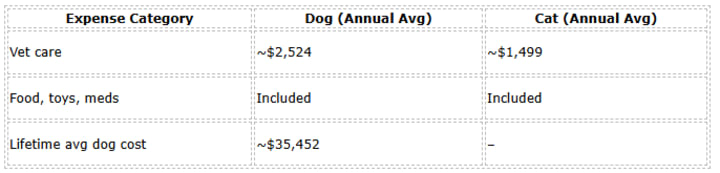
Overall, average U.S. dog ownership costs ~$1,400/year—excluding breed purchase price—and can average $2,305/year in NYC.
How an ESA Letter Can Help
Emotional support animals (ESAs) are not just pets—they provide emotional and psychological relief. Here’s how an ESA Letter from RealESALetter can lighten burdens:
A. Housing rights protected:
Under the Fair Housing Act, a valid ESA Letter allows you to keep your support animal in “no-pet” rentals—often without pet fees or deposits.
B. Mental health benefits:
ESAs help manage anxiety, depression, PTSD, and more, offering support through companionship and stress relief.
C. Simple, legitimate process:
RealESALetter offers remote screening, licensed evaluator consultation, and delivers a housing-approved ESA Letter within 24 hours.
D. Widely accepted and guaranteed:
Letters are professionally signed, compliant with FHA, include credentials and license number, plus a money-back guarantee if rejected.
Tips to Manage Pet Expenses
- Budget monthly: Set aside funds or open a dedicated savings account.
- Pet insurance: Evaluate plans (common $30–60/month).
- DIY grooming: Save significantly or shop local deals.
- Low-cost vet clinics: Use nonprofit or community programs.
- Spay/neuter early: Reduces medical risks/costs.
- Transparent documentation: Keep vet receipts and a valid ESA classifier to negotiate with landlords or insurers.
Pet ownership remains a luxury in many major U.S. markets. Understanding regional costs—and leveraging tools like the ESA Letter can be a game-changer, helping maintain both mental well-being and responsible pet care. In high-cost areas like San Francisco or NYC, creative solutions matter. If your pet truly supports your mental health, an ESA Letter could be your key to keeping them close, affordably, and legally.
About the Creator
kevin booth
I focus on writing educational content that’s easy to read and practical. Sharing useful knowledge is what drives my work.
Keep reading
More stories from kevin booth and writers in Petlife and other communities.
How Do You Go About Getting an ESA Letter in Massachusetts?
To obtain an ESA Letter in Massachusetts, you’ll need to consult with a licensed mental health professional (LMHP) who can evaluate your mental health and determine whether an emotional support animal (ESA) would help manage your symptoms as part of your treatment plan. Suppose the professional decides an ESA is suitable. In that case, they’ll issue a legitimate ESA letter, which legally allows you certain housing protections under the Fair Housing Act and sometimes travel accommodations under the Air Carrier Access Act. RealESALetter simplifies this process by connecting you with licensed providers who understand the legal standards and ensure your esa letter for apartment meets all Massachusetts requirements.
By kevin booth7 months ago in Petlife
The Summer I Was Chosen by a Northern Mockingbird
During the long, suspended days of the pandemic, a wild mockingbird began visiting my driveway and chose me, again and again. What started as a strange encounter became a brief, meaningful connection that I still carry with me.
By Erica Roberts 14 days ago in Petlife


Comments
There are no comments for this story
Be the first to respond and start the conversation.