
Male Cat Urinary Problems (Causes, Symptoms and Solutions)
UTIs, Blockages & Crystals in Male Cats (Signs, Causes, and Care)

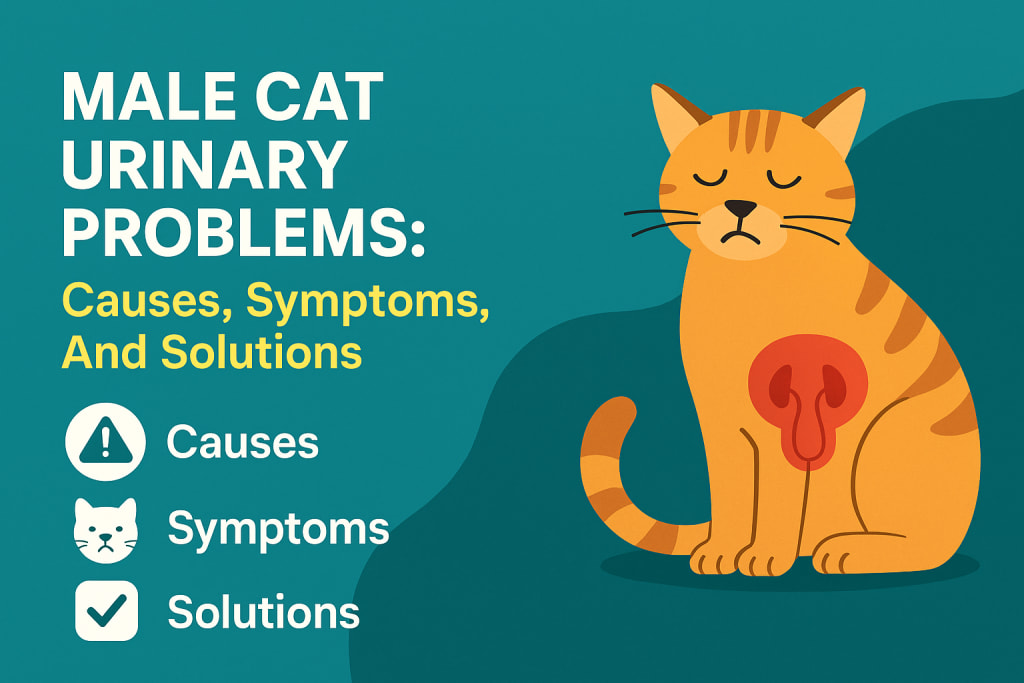
Urinary issues are among the most prevalent health issues that cats present at veterinarians' offices. Both genders are affected, but male cats are more likely to develop deadly obstructions. Their miniature urethra can be easily blocked by minute particles, crystals, or inflammation that prevents the passage of urine.
These obstructions have the potential to rapidly develop into life-threatening emergencies. This is one reason why vet techs must be aware of the whys, understand the warning signs, and act rapidly with the correct treatment protocol.
Let's dissect why male cats are more susceptible to UTIs, the most common causes, warning signs to identify, and the best practices for handling these cases in practice.
Why Male Cats Are at Greater Risk
The male feline urethra is narrow and long, flaring wider away from the head of the penis. It takes only a slight swelling, mucus, or crystals to cause an obstructed flow of urine. This is vastly different in females, who have a shorter and wider urethra.
Some causes of why blockage is more likely:
- Diet: Cats on dry food or cats whose diet is rich in magnesium are more prone to developing crystals.
- Obesity: Obese cats are at greater risk of having lower urinary tract disease.
- Stress: Home changes, changes in routine, or multi-cat households are apt to cause flare-ups of idiopathic cystitis.
- Indoor lifestyle: Sedentary lifestyle and inadequate water intake predispose them.
Informing these risks not only helps the veterinarians to treat the cases but also informs the owners regarding prevention.
Common Causes of Male Cat Urinary Problems
Male cats are susceptible to developing urinary issues due to various causes. The most frequent among them are:
1. Urinary Tract Infections (UTIs)
Yes, male cats can get urinary tract infections. They are unusual in young cats but more likely in older cats or cats with other illnesses like diabetes or kidney disease. UTIs aggravate an obstruction by adding inflammation and decreasing the caliber of the urethra.
2. Crystals and Stones (Urolithiasis)
Struvite and calcium oxalate stones are the most frequent offenders. Even small crystals in the cat's urinary tract irritate the bladder wall, cause pain, and aggregate with mucus to form a urethral plug.
3. Obstruction of the Urethra
The worst condition. Complete obstruction prevents the urine from passing, causing bladder overdistension, electrolyte disturbances, and ultimately kidney failure or death if not relieved. These are true emergencies.
4. Idiopathic Cystitis
Many cats have urinary symptoms without infection or stones. Stress is the leading cause here. Idiopathic cystitis is most often chronic and annoying for vets and owners.
Knowing why is crucial. That takes us to the signs that allow the vet to recognize them early.
Clinical Signs and Symptoms to Recognize
Cats with urinary problems have evident symptoms if you know what to look for. The usual signs are:
- Straining to urinate with little or no effect.
- Frequent return to the litter box (pollakiuria).
- Presence of blood in the urine (hematuria).
- Licking the genital area.
- Crying or screaming when trying to urinate.
- Lethargy, vomiting, or collapse in cases of total obstruction.
When a male cat presents with these signs, vets must quickly diagnose if it's UTI, cystitis, or feline UTI obstruction/urinary tract obstruction in cats. Late treatment may be fatal.
Management Protocols in Veterinary Practice
Management of male cat urinary disease requires quick action and a structured approach. This is what the majority of cases are treated with:
1. Stabilization
- Rhinestock cardiovascular status and check electrolytes (especially potassium).
- Set up IV fluids to rehydrate and flush out the system.
- Provide pain control and sedation.
2. Removing the Obstruction
- Sedation or anesthetic urethral catheterization.
- Gently flush out the bladder to remove plugs or crystals.
If there are repeated obstructions, a perineal urethrostomy surgery may be required.
3. Follow-Up Care
- Continue with IV fluids to support kidney function.
- Watch for urine output and lab results.
Fix the underlying cause: whatever that is, from dissolving stones on a special diet to antibiotics if culture-positive.
4. Long-Term Prevention
- Feed prescription diets for the urinary tract.
- Encourage increased water intake with moist food or water fountains.
- Reduce household stress through routine and enrichment.
For veterinarians, handling these cases smoothly is the result of experience and being up on the current recommendations.
This is why ongoing learning is essential. Vet and Tech offers information on male cat urinary disease in veterinary practice through their continuing education webinars.
The Role of Continuing Education (CE) for Veterinarians
Feline urinary disease continues to evolve. The improvements in fluid therapy, pain control, and surgery have improved survival in cats. Veterinarians can refine their procedures, reduce complications, and optimize pet owner counseling by keeping current with continuing education.
These patients are stressful to both client and patient, and so keeping current with information provides a building block for confidence in care.
Conclusion
Male feline lower urinary tract disease is more than a pest: it can be fatal. From idiopathic cystitis to complete urethral obstruction, these patients require prompt diagnosis and treatment.
They have a critical role to play in identifying warning signals, managing medical emergencies, and offering owners preventive guidance. With correct management guidelines and continuous learning, recoveries in cats with urinary disease can be greatly improved.
FAQs
1. For how long will a male cat with urinary disease live?
With early diagnosis, proper care, and prophylactic treatment, the majority of male cats with urinary ailments can have normal life span. Urinary blockage, if left untreated, can prove to be lethal in 24 - 48 hours, hence immediate veterinary attention is necessary.
2. What are the most important warning signs of urinary tract infection in male cats?
UTIs may result in more frequent urination, blood in the urine, painful or awkward urination, and straining. However, because these signs are common to blockage, diagnostic testing such as urinalysis and culture is required to establish the presence of the infection.
3. What causes urinary issues in male cats?
Causes include urinary tract infections, crystal or stone formation, idiopathic cystitis, and urethral blockage. Due to male anatomy, cats are more likely to become vulnerable to blockage compared to females.
4. How do veterinarians distinguish between UTI and urinary blockage in male cats?
A UTI usually presents with pain and urethritis, but the cat is usually still able to urinate. A blockage, however, results in little or no urine output, a tense, distended bladder, and disease. Physical palpation, urinalysis, and imaging differentiate the two.
About the Creator
Bella James
Bella James is a skilled content writer specializing in the pet industry. With extensive experience creating high-quality, search-optimized content for healthcare, veterinary, and pet websites.
Keep reading
More stories from Bella James and writers in Petlife and other communities.
Veterinary Technician Utilization to Boost Team Effectiveness
Running a busy veterinary clinic isn’t just about skilled veterinarians. It’s also about how well the entire team works together. Improving the utilization of veterinary technicians can enhance workflow, patient care, and staff satisfaction. When every team member understands their role, they perform tasks confidently.
By Bella James5 months ago in Petlife
The Summer I Was Chosen by a Northern Mockingbird
During the long, suspended days of the pandemic, a wild mockingbird began visiting my driveway and chose me, again and again. What started as a strange encounter became a brief, meaningful connection that I still carry with me.
By Erica Roberts 22 days ago in Petlife
The Little Guardian with the Giant Heart
Bohdi was used to being underestimated. Weighing in at under six pounds, with a smooth short coat the color of toasted honey and ears that seemed too big for his head, most people looked at him and smiled politely. Some chuckled lightly. Others used the same words every time.
By Paw Planet about 20 hours ago in Petlife




Comments
There are no comments for this story
Be the first to respond and start the conversation.