
How to stop your dog from eating mud
Dogs are naturally curious creatures, and sometimes their curiosity leads them to eat things they shouldn’t—like dirt. While occasional dirt consumption is usually harmless, frequent or excessive eating can indicate underlying health, behavioral, or nutritional issues. From boredom and anxiety to medical conditions like anemia and pica, there are various reasons why your furry friend might be snacking on soil. In this guide, we’ll dive into the common causes behind this behavior, when it becomes concerning, and practical ways to prevent it. Learn how to keep your pup safe, healthy, and away from dirt with expert tips and training strategies!

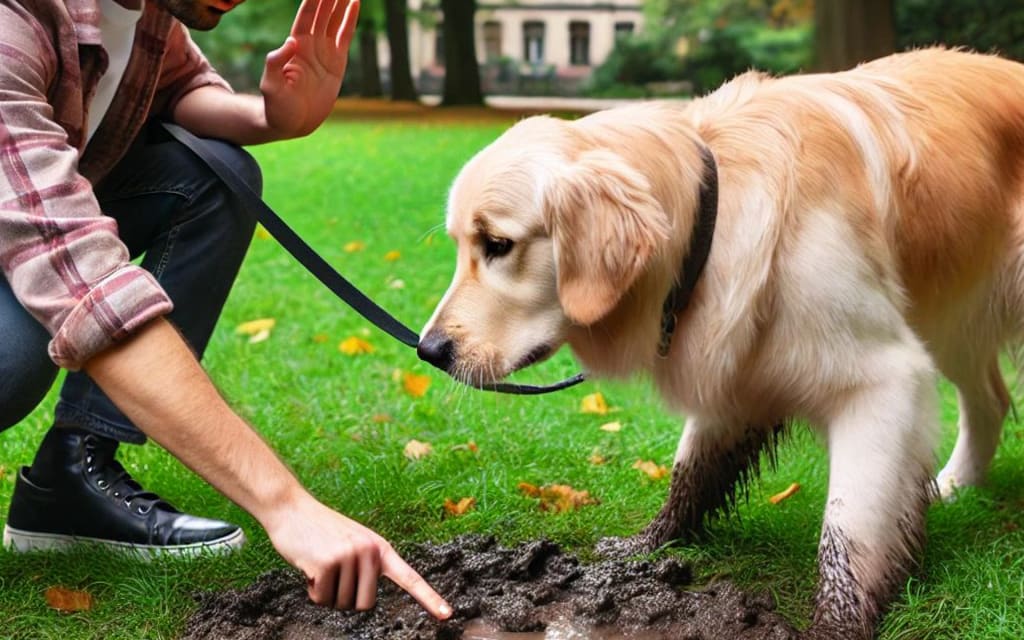
Why Do Dogs Eat Dirt & How to Stop It
Dogs have some weird habits, don’t they? One day they’re chasing their tails, the next they’re munching on dirt like it’s a gourmet meal. While occasional dirt eating might not be cause for concern, frequent and excessive consumption can signal underlying issues that every responsible dog owner should be aware of.
This blog dives into why dogs eat dirt, whether it’s harmful, and how you can prevent your furry friend from turning your backyard into an all-you-can-eat soil buffet.
Is Eating Dirt Normal for Dogs?
Yes, to an extent. Dogs are naturally curious and use their mouths to explore their environment. Some dogs may occasionally eat a little dirt out of curiosity or playfulness. However, when dirt eating becomes a habit, it’s time to take a closer look at what’s going on.
Certain factors influence a dog's likelihood of eating dirt:
- Breed – Some breeds are more prone to behavioral quirks.
- Age – Puppies are more likely to explore the world with their mouths.
- Health – Deficiencies and underlying conditions can drive the behavior.
Understanding the root cause of dirt-eating is key to addressing it effectively.
Is Eating Dirt Bad for Dogs?
A small nibble here and there probably won’t hurt, but excessive dirt consumption can pose serious health risks. Here’s why:
- Toxic Substances – Dirt can contain harmful chemicals like pesticides, fertilizers, or household contaminants.
- Parasites – Soil-dwelling parasites like hookworms, roundworms, and giardia can infect your dog.
- Gastrointestinal Issues – Dirt isn’t digestible and can lead to blockages, vomiting, or diarrhea.
- Foreign Objects – Small rocks, sticks, or trash in the dirt can damage teeth or cause obstructions.
If your dog suddenly starts eating dirt excessively, it’s time to investigate.
Why Does My Dog Eat Dirt?
There isn’t a single reason why dogs eat dirt—it can stem from behavioral, nutritional, or medical issues. Here are the most common causes:
1. Boredom
Dogs, like humans, can get bored. When they lack mental stimulation or physical activity, they might turn to odd behaviors like eating dirt. To combat this:
- Provide interactive toys and puzzle feeders.
- Schedule regular playtime.
- Increase exercise with walks and engaging activities.
2. Anxiety & Stress
Some dogs eat dirt as a coping mechanism for anxiety. If your dog is prone to stress, identify triggers and create a calm environment:
- Stick to a comforting routine.
- Offer soothing massages.
- Play calming music.
3. Pica Behavior
Pica is a condition where dogs compulsively eat non-food items, including dirt. This can be due to nutritional deficiencies, digestive issues, or psychological factors. Consulting a vet is crucial in managing this behavior.
4. Nutritional Deficiency
If your dog isn’t getting enough essential nutrients like iron, zinc, or fiber, they may try to compensate by eating dirt. Signs of deficiency include:
- Low energy levels
- Dull coat
- Sudden change in appetite
A balanced diet is essential to prevent this issue. Consult your vet to ensure your dog is getting proper nutrition.
5. Anemia
A shortage of red blood cells (anemia) can cause dogs to crave minerals found in dirt. Common causes of anemia include:
- Parasites (fleas, ticks, hookworms)
- Chronic illness
- Poor diet
If you suspect anemia, schedule a vet check-up and request blood tests.
6. Medical Conditions
Underlying health problems like gastrointestinal disorders or malabsorption issues can lead to dirt-eating. Conditions such as inflammatory bowel disease or chronic gastritis may be at play. Regular vet visits help detect and manage these conditions early.
How to Stop Your Dog From Eating Dirt
While it may seem like your dog has a personal vendetta against your flowerbeds, the good news is that you can curb this behavior. Here’s how:
1. Schedule a Vet Visit
If your dog suddenly develops a dirt-eating habit, consult your vet to rule out medical issues. Blood tests and dietary adjustments may be necessary.
2. Provide a Balanced Diet
Ensure your dog gets high-quality food rich in essential vitamins and minerals. If needed, ask your vet about supplements to address any deficiencies.
3. Train Basic Commands
Teaching commands like “leave it” or “drop it” can help prevent unwanted behaviors. Use positive reinforcement—reward your dog when they listen.
4. Keep Them Entertained
A mentally stimulated dog is less likely to seek out dirt. Offer interactive toys, treat-dispensing puzzles, and regular playtime to keep them engaged.
5. Take Regular Walks
Physical exercise not only tires out your dog but also satisfies their natural curiosity. A well-exercised dog is less likely to seek stimulation in destructive ways.
6. Remove Temptations
If your dog tends to eat dirt from specific areas, modify their environment:
- Relocate potted plants
- Use pet-safe barriers
- Replace soil with pet-friendly alternatives
7. Use Safe Deterrents
Spray bitter-tasting deterrents on areas where your dog eats dirt. Always choose vet-approved, non-toxic options.
Training Your Dog to Avoid Dirt
If you’ve ever watched your dog deliberately ignore you to snack on dirt, you’re not alone. The trick? Redirect their attention before they eat it.
Step 1: Capture the Moment
Watch for the exact moment your dog notices dirt but hasn’t eaten it yet. Mark this moment with a “yes” or a clicker and immediately offer a treat.
Step 2: Reinforce Alternative Behavior
Once your dog starts expecting a reward for looking at dirt but not eating it, take it further:
- Encourage them to look at you instead.
- Reward every time they focus on you rather than the dirt.
Step 3: Increase Challenge Gradually
Training isn’t linear—some days your dog might listen, other days the mud is just too tempting. Be patient, keep reinforcing, and gradually increase difficulty.
What to Do If Your Dog Eats Dirt Anyway
Caught your dog in the act? Don’t panic. Here’s what to do:
- Redirect their attention to a toy or activity.
- Monitor them for any signs of distress.
- Contact your vet if they show symptoms like vomiting, lethargy, or irregular bowel movements.
Conclusion
Understanding why dogs eat dirt is the first step toward solving the issue. Whether it’s boredom, anxiety, or a health concern, there are effective ways to prevent and manage this behavior. Regular vet visits, a nutritious diet, engaging activities, and proper training can all help keep your pup from turning your backyard into their personal snack bar.
If the habit persists or worsens, consult a vet for a thorough health check-up. A happy, healthy dog is far less likely to indulge in odd behaviors—so invest time in their well-being, and you’ll both enjoy a dirt-free life!
Got a dog who just can’t resist the taste of soil? Try these steps and let us know what works best for your pup!
Thanks for your reading.
About the Creator
The Summer I Was Chosen by a Northern Mockingbird
During the long, suspended days of the pandemic, a wild mockingbird began visiting my driveway and chose me, again and again. What started as a strange encounter became a brief, meaningful connection that I still carry with me.
By Erica Roberts 24 days ago in Petlife
The Little Guardian with the Giant Heart
Bohdi was used to being underestimated. Weighing in at under six pounds, with a smooth short coat the color of toasted honey and ears that seemed too big for his head, most people looked at him and smiled politely. Some chuckled lightly. Others used the same words every time.
By Paw Planet 3 days ago in Petlife
Blessed 33
So I woke up on the morning of February 5, 2026 and guess what and you know what I realized? It’s my 33rd birthday. Do you know what that means? Yes, technically I’m getting old, but what I couldn’t have guessed was this would be one of the best days of my life.
By Joe Patterson5 days ago in Confessions



Comments
There are no comments for this story
Be the first to respond and start the conversation.