
How to stop a strong dog from pulling and lunging
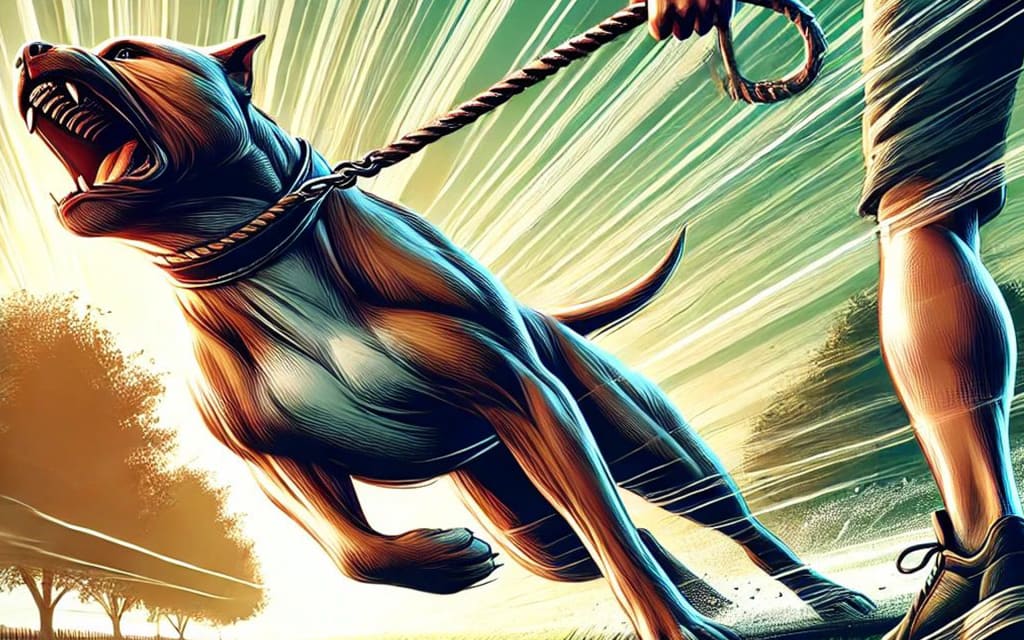
Walking your dog should be an enjoyable, relaxing experience. Picture it now: the fresh air, your dog trotting beside you, and the peaceful rhythm of your steps. But then, bam—your dog decides to turn into a tug-of-war champion, pulling and lunging like they’re about to set a world record. If you’re nodding in agreement, you're not alone. Many dog owners deal with this frustrating behavior. Thankfully, with patience, consistency, and the right techniques, you can stop your strong dog from pulling and lunging on walks.
Why Do Dogs Pull and Lunge?
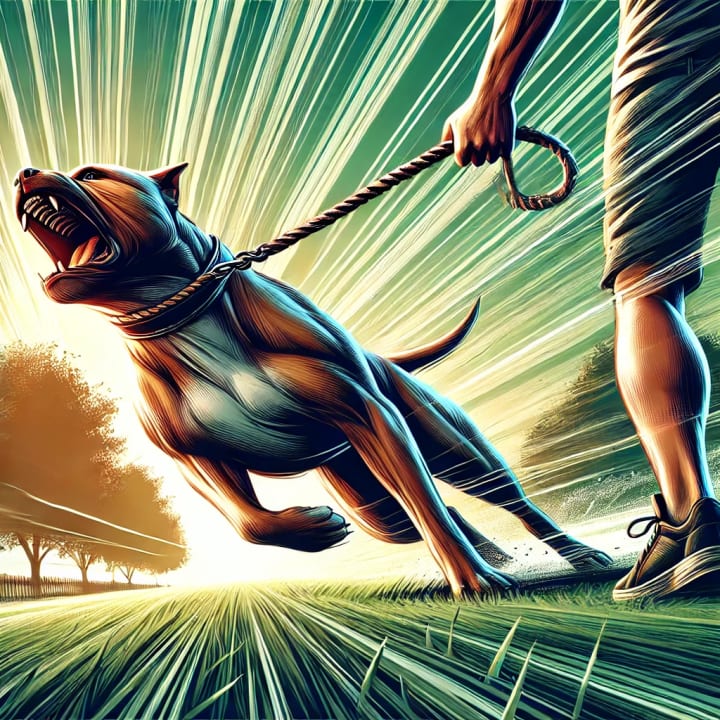
First, let’s acknowledge why dogs pull and lunge in the first place. It’s not because they’re trying to ruin your day (though it sure feels that way sometimes). Most often, dogs pull and lunge because they’re excited, anxious, or simply haven't learned how to walk calmly on a leash. When your dog sees a new dog, a squirrel, or even just a pile of leaves blowing by, their natural reaction is to charge ahead—because why not, right? It’s all about instinct, excitement, and, occasionally, fear.
Think of it like this: if you were on a walk and suddenly saw your favorite food cart on the horizon, you’d probably start pulling too. So, with that in mind, let’s discuss how to train your dog out of this behavior.
1. Positive Reinforcement - The Power of the Treat
We’ve all heard about the magic of positive reinforcement, but when it comes to training a strong dog, it’s even more important. Positive reinforcement works by rewarding your dog when they do something you like. The key here is to focus on rewarding calm behavior rather than punishing unwanted actions.
Every time your dog walks by your side without pulling, reward them with a treat, praise, or even a favorite toy. This signals to them, "Hey, walking nicely is a good thing!"
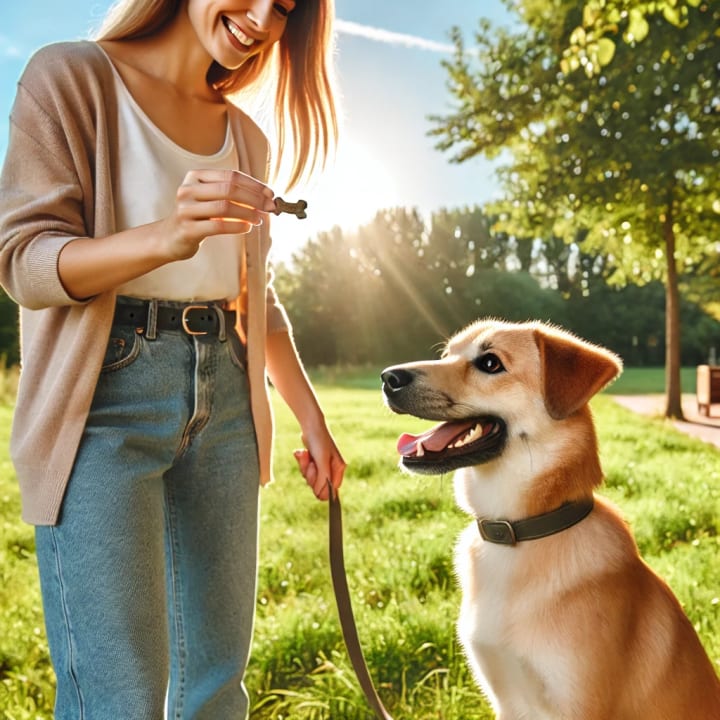
Trainer’s Tip: "Positive reinforcement is like setting up a reward system for your dog. They get something awesome every time they make the right choice. This doesn’t just teach them to walk nicely, it also helps them learn impulse control!"
But, here’s the tricky part: if your dog is used to pulling on walks, you’ll need a lot of patience. You might not see the immediate change you want, but remember: consistency is the key.
2. Front-Clip Harnesses - The Gentle Redirect
Ever seen one of those harnesses that attaches in the front? They're not just stylish; they can be a game-changer for pulling dogs. A front-clip harness redirects your dog's attention to you when they try to pull. It’s like having a gentle nudge that says, "Hey, focus on me, not that squirrel over there."
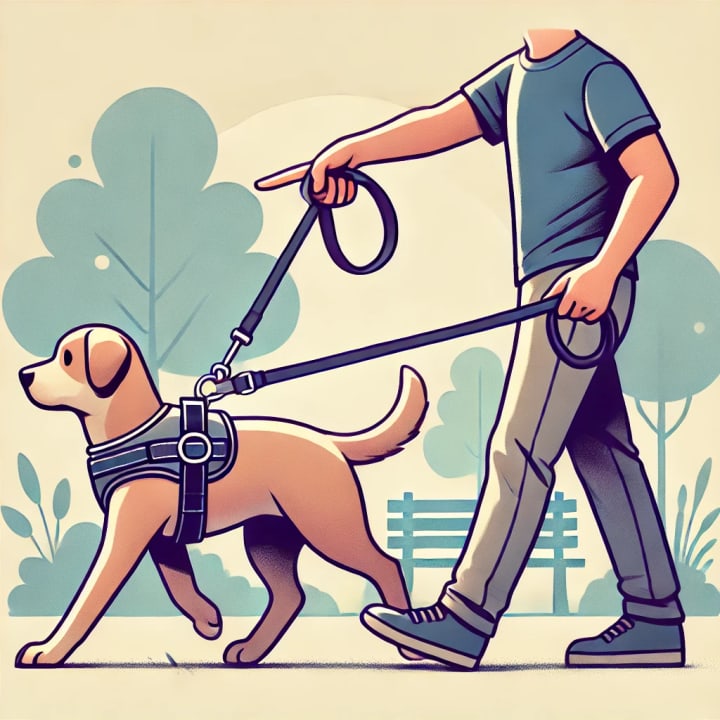
Veterinarian’s Insight: "Front-clip harnesses are designed to give you better control by preventing pulling. They don’t hurt your dog, and they’re much more effective than traditional collars."
But here's something to keep in mind: the harness isn't a magical solution by itself. It’s a tool that works best when paired with consistent training. You wouldn’t just rely on a leash to train a dog, right? The harness is part of the big picture.
3. Consistency is Your Best Friend
Let’s get one thing straight—training a strong dog isn’t a one-and-done deal. Consistency is the name of the game. Every time your dog starts pulling or lunging, you need to correct them. It might feel exhausting at first, but consistency helps your dog learn that pulling is never okay.
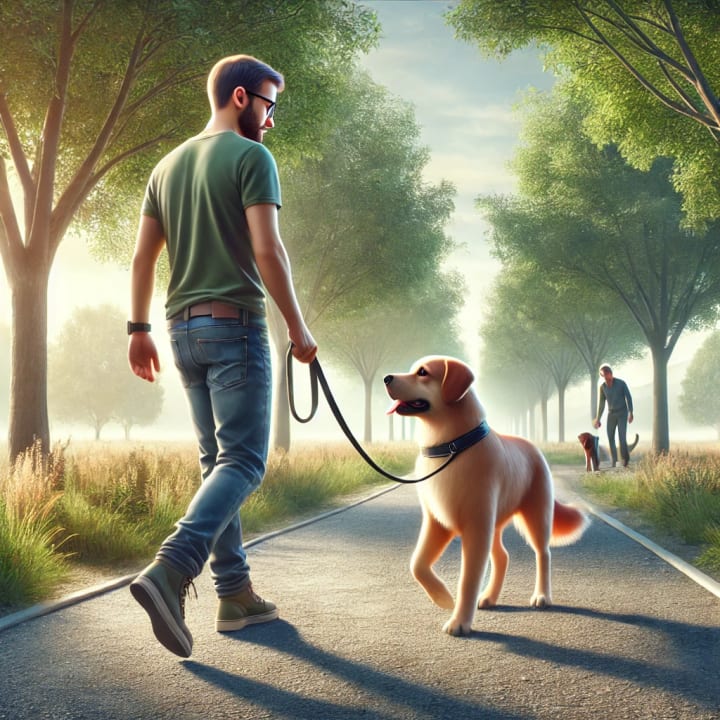
Behaviorist’s Tip: "The more you practice and stay consistent, the more your dog will understand what's expected. Set boundaries and stick to them. Your dog needs to know that ‘walk’ time is calm time, every time."
And here’s a reality check: if you let your dog pull one day and not the next, they’ll be confused. It’s like if a teacher suddenly gave you an A for showing up late to class. It wouldn’t make sense!
4. Exercise - Get That Energy Out
A strong, energetic dog can be a handful. Think about it: if your dog is cooped up indoors all day and then you take them on a walk, they’re going to have a lot of pent-up energy that demands an outlet. That energy can easily turn into pulling and lunging.
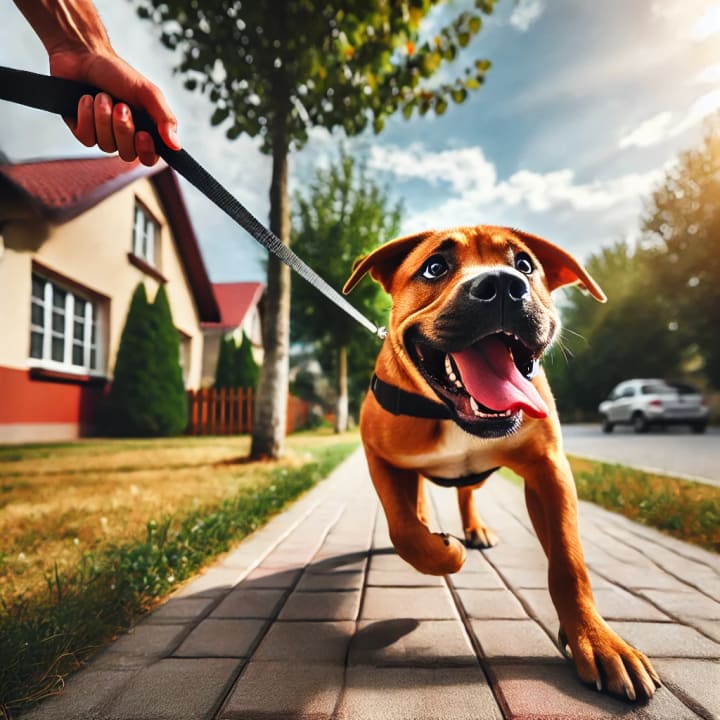
So, what’s the solution? Exercise. Let your dog burn off some energy before you even think about heading out the door. Go for a jog, engage in some fetch, or just play with them around the house. When your dog is mentally and physically tired, they’re much less likely to pull you down the street.
Trainer’s Tip: "A tired dog is a good dog! Give them the mental and physical exercise they need, and their walks will become a lot more pleasant."
5. Desensitization and Counterconditioning - Helping Dogs Overcome Fear
One of the more subtle reasons dogs pull and lunge is due to fear or anxiety. Let’s say you’re walking along, and your dog suddenly goes into full-on lunging mode because they spotted another dog. What’s happening? It’s fear.
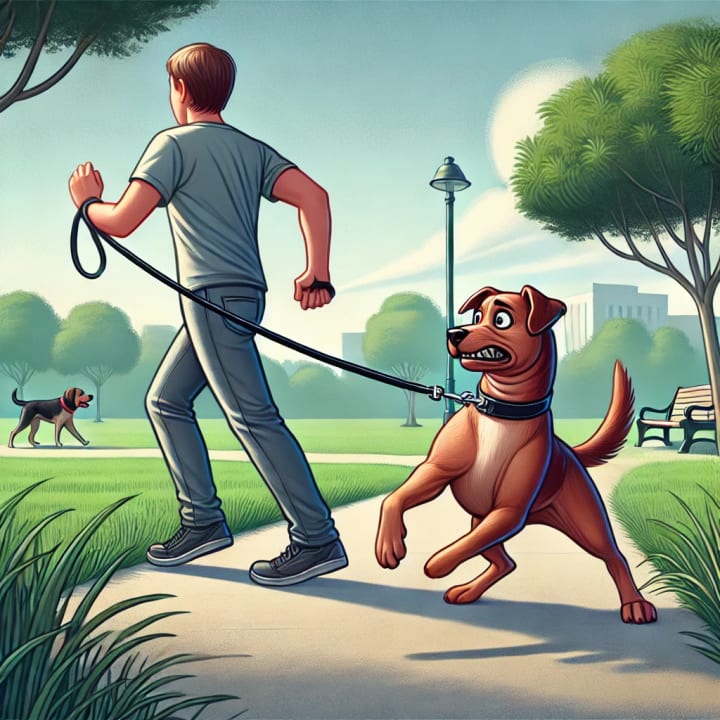
This is where desensitization and counterconditioning come in. With these techniques, you gradually expose your dog to their fear triggers in a controlled way. The idea is to pair something scary with something positive, like treats, to help your dog form a new association with the trigger.
Animal Behaviorist’s Insight: "Desensitization and counterconditioning help reduce your dog’s fear by gradually teaching them to associate scary things with good experiences. Over time, your dog learns to stay calm, even when there are other dogs nearby."
If your dog is fearful or anxious around other dogs, slowly introduce them to safe, calm dogs at a distance. Reward calm behavior, and over time, you’ll see improvement.
6. When to Seek Professional Help
Sometimes, despite your best efforts, your dog’s pulling and lunging just don’t improve. If this is the case, don’t hesitate to reach out for professional help. A certified trainer or behaviorist can provide tailored advice and guide you through more advanced techniques.
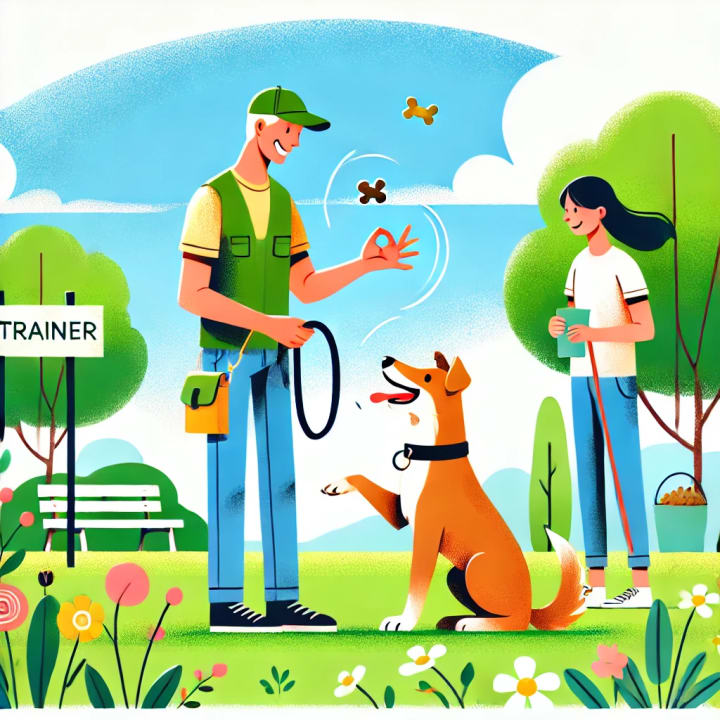
Trainer’s Tip: "Sometimes, having an expert help you is the fastest way to get your dog back on track. They can help identify specific triggers and teach you strategies that work for your dog."
7. Patience and Persistence - The Long Game
Finally, let's talk about one of the most important aspects of dog training: patience. Whether you’re training your dog to stop pulling, lunging, or simply behave better, it’s going to take time. Dogs don’t learn overnight. Be patient with your pup, and with yourself.
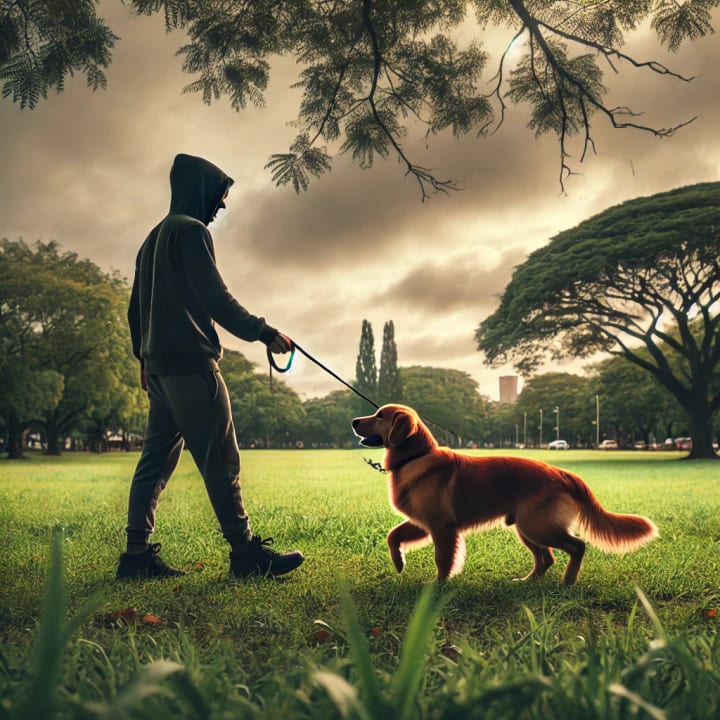
Dog Training Expert: "Training is a marathon, not a sprint. There will be setbacks, but don’t give up! Every walk is an opportunity to reinforce good habits."
Your dog is learning, and so are you. Enjoy the process. Keep working together, and with time, you’ll both start to see the rewards.
Common Concerns Answered
Q: What if my dog only pulls when they see other dogs or animals?
A: Use desensitization and counterconditioning to help your dog become more comfortable around triggers like other animals. Over time, this can reduce pulling and lunging.
Q: Is it okay to use a choke or prong collar?
A: It's best to avoid these methods as they can cause pain and discomfort for your dog. Instead, try positive reinforcement or a front-clip harness.
Q: How long will it take to stop pulling and lunging?
A: The timeline depends on your dog and how consistent you are with training. Be patient, and keep at it!
Final Thoughts
Training a strong dog to stop pulling and lunging isn’t just about teaching them better leash manners; it’s about building a stronger, more trusting relationship with your furry friend. By using positive reinforcement, consistent practice, and a little patience, you’ll both enjoy more relaxed walks. And remember, when in doubt, don’t hesitate to bring in a professional to help guide you through the process.
Stay persistent, stay patient, and soon your walks will be the peaceful, enjoyable experience they were always meant to be!
Thanks for your reading.
About the Creator
The Summer I Was Chosen by a Northern Mockingbird
During the long, suspended days of the pandemic, a wild mockingbird began visiting my driveway and chose me, again and again. What started as a strange encounter became a brief, meaningful connection that I still carry with me.
By Erica Roberts 22 days ago in Petlife
How to Train Your Dog in Just One Week
Dog training can seem like a long, difficult process, but with consistency, patience, and the right technique, you can teach your dog basic obedience in just one week. Of course, some habits take longer to solidify — but a focused seven-day plan can get your dog on the path to being well-behaved and responsive.
By Paw Planet 6 days ago in Petlife



Comments
There are no comments for this story
Be the first to respond and start the conversation.