
The Growing Synergy Between Energy and Data Centers
Fueling the Digital Age

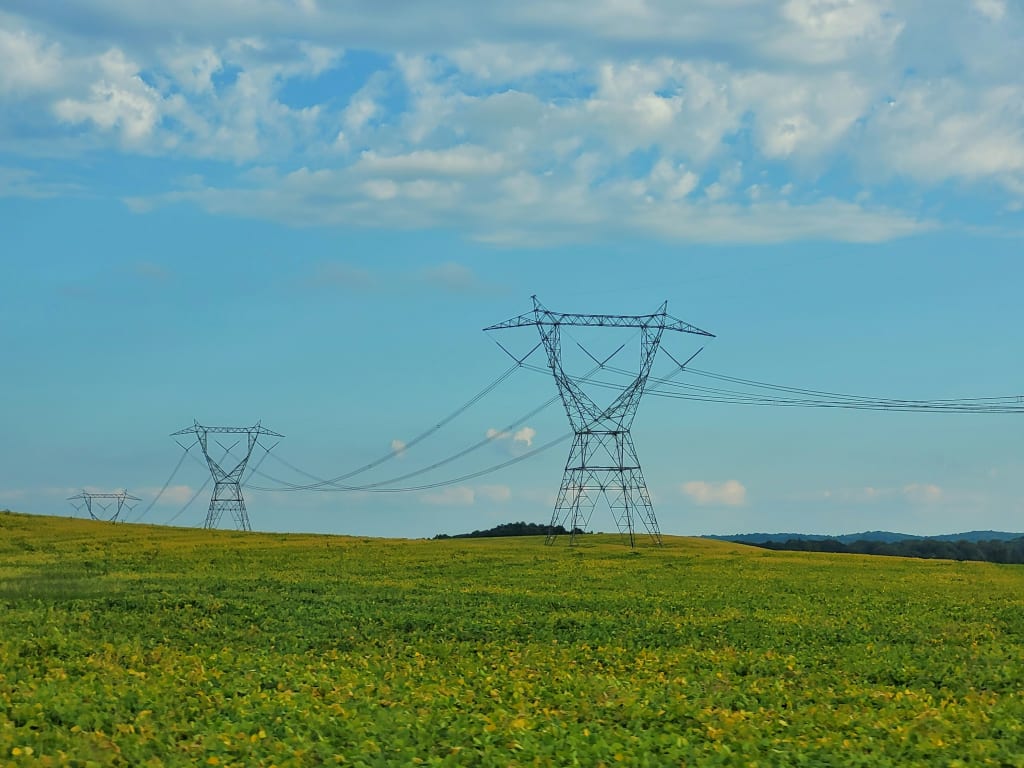
The digital era relies on a hidden backbone of infrastructure that often goes unnoticed: data centers. These facilities process massive amounts of information, support cloud computing, and enable the services that drive modern business and daily life. At the same time, they consume enormous quantities of energy, making their efficiency and reliability critical not only to business operations but also to broader energy systems. As the demand for digital services grows, the connection between energy management and data center operations becomes increasingly significant.
Understanding the Energy Demands of Digital Infrastructure
Data centers operate 24/7, supporting cloud computing, artificial intelligence, and online services. Their continuous activity requires reliable power to prevent service disruptions. Energy usage in data centers is not limited to servers alone; cooling systems, backup generators, and networking equipment all contribute to overall consumption. Industry experts recognize that optimizing energy usage in these facilities is essential for both operational efficiency and environmental sustainability.
Energy providers, in turn, must anticipate and respond to these demands. Peak loads, regional consumption trends, and the integration of renewable sources all influence how energy is delivered to data centers. By coordinating closely with facility operators, energy companies can balance supply and demand while minimizing inefficiencies. This synergy ensures that digital services remain reliable and cost-effective for businesses and consumers alike.
Innovations in Energy Efficiency
The convergence of energy management and data center operations has spurred significant innovation. Data centers now incorporate advanced cooling systems, energy-efficient server designs, and intelligent power management solutions. These improvements reduce energy consumption while maintaining performance, demonstrating that operational efficiency and sustainability can coexist.
Energy providers also contribute innovations, offering grid-responsive solutions and renewable energy integration. Smart grids, real-time monitoring, and predictive analytics allow operators to anticipate fluctuations in energy usage and adjust supply proactively. By embracing technological solutions, both energy companies and data center operators enhance reliability, reduce costs, and limit environmental impact.
Renewable Energy Integration
As the digital economy expands, renewable energy has become a critical component of data center operations. Solar, wind, and other sustainable sources provide cleaner alternatives to traditional power generation. Industry leaders increasingly invest in renewable energy agreements, ensuring that digital infrastructure operates with a reduced carbon footprint.
Integrating renewables requires careful planning and coordination. Energy availability fluctuates with weather and time of day, necessitating advanced storage solutions and flexible backup systems. Data center operators collaborate with energy providers to implement hybrid systems that combine traditional and renewable sources. This partnership ensures continuity while accelerating progress toward sustainability goals.
Enhancing Grid Resilience
Data centers rely on uninterrupted power, making resilience a central concern. Any downtime can disrupt critical services, impact revenue, and compromise user experience. Energy companies work closely with data center operators to implement robust grid infrastructure, redundant systems, and emergency response strategies.
Through continuous monitoring, predictive maintenance, and dynamic load balancing, operators anticipate issues before they escalate. This proactive approach reduces outages and strengthens system reliability. The collaboration between energy providers and data centers ensures that the digital backbone remains resilient, even under extreme conditions or unexpected demand spikes.
The Role of Smart Technology
Smart technology is transforming the way energy and data centers interact. IoT devices, AI analytics, and machine learning algorithms optimize power usage, cooling, and performance in real time. These tools identify inefficiencies, forecast demand, and guide decision-making, enabling facilities to operate more efficiently while conserving resources.
Energy providers also leverage smart technology to monitor grid conditions and coordinate supply with consumption patterns. This integration allows for smoother operations, reduced waste, and improved system reliability. By combining digital intelligence with energy expertise, the partnership between data centers and energy providers drives innovation and operational excellence.
Economic and Environmental Impacts
The growing synergy between energy and data centers has far-reaching implications for both the economy and the environment. Efficient operations reduce costs, enabling businesses to scale digital services without excessive energy expenditures. Meanwhile, integrating renewable energy and optimizing usage limits carbon emissions, contributing to broader sustainability objectives.
Communities benefit as well. Reliable digital infrastructure supports critical services across healthcare, finance, communication, and logistics. Energy-efficient data centers lessen strain on local grids, reducing the risk of outages and improving overall system stability. The collaboration between energy providers and data center operators, therefore, generates value that extends beyond individual organizations to society at large.
Preparing for Future Growth
Digital demand continues to grow at an unprecedented rate. Streaming services, cloud computing, AI applications, and emerging technologies will place increasing pressure on data centers and energy systems. Industry experts anticipate this growth by designing scalable infrastructure, investing in renewable capacity, and advancing energy efficiency measures.
Long-term planning involves integrating emerging technologies such as energy storage, decentralized generation, and demand-response strategies. Data center operators and energy providers collaborate closely to ensure that future expansions meet performance, reliability, and sustainability objectives. This forward-looking approach ensures that the digital economy can grow without overburdening energy systems or compromising environmental goals.
The digital era depends on the seamless interplay between energy and data centers. Reliable power ensures continuous digital services, while efficiency and sustainability reduce costs and environmental impact. The collaboration between energy providers and data center operators drives innovation, strengthens infrastructure, and prepares the sector for future growth.
By leveraging technology, integrating renewables, and prioritizing resilience, these professionals ensure that the backbone of the digital economy remains strong. The synergy between energy and data centers exemplifies how strategic cooperation and innovation can meet both operational and environmental goals, fueling the growth of the digital age while powering a sustainable future.
About the Creator
Matthew J Smith
Matthew J Smith is an investment and operations leader with two decades in energy, power, and data centers, known for analytical rigor, steady execution, and long-term value creation.
Portfolio: https://matthewjsmithpa.com
Keep reading
More stories from Matthew J Smith and writers in Motivation and other communities.
Riding the Energy Transition: New Growth Frontiers in a Rapidly Evolving Market
The global energy market is moving through a decisive period of transformation. Traditional models no longer dominate the landscape, and new forces now shape how energy gets produced, distributed, and consumed. As a result, operators and investors face both disruption and promise. However, this shift does not signal decline. Instead, it opens fresh growth frontiers that reward adaptability and forward thinking. While uncertainty remains, momentum clearly favors those who respond quickly and strategically.
By Matthew J Smith26 days ago in Motivation
One Hard Thing
Stop me if you’ve heard this one before: You have the number, you know your schedule- you’ve even picked out the perfect day and time to make this appointment. Shoot, you’ve even picked out alternative days and times just in case their schedules can’t accommodate you!
By Taylor Rigsby23 days ago in Motivation
Messages I Never Sent to My Best Friend Who Disappeared”
Messages I Never Sent to My Best Friend Who Disappeared Draft — Text Message Not Sent — May 3, 11:42 PM Hey. You left your hoodie in my car again. The blue one you pretend is mine but we both know it isn’t. You still owe me coffee for last week. Also… you forgot to say goodbye. Draft — Email Not Sent — May 5, 2:08 AM Subject: This is Probably Nothing I keep telling myself you just needed space. People take breaks. People disappear for a few days. People turn off their phones and ignore everyone. But you didn’t take your charger. Or your sketchbook. Or your stupid lucky coin you carry everywhere. I checked with your sister. She thought you were with me. You always told me if you ever vanished, it would be because you finally ran away to start over somewhere new. You said you’d send me a postcard. I check the mailbox every day now. Just in case. Draft — Text Message Not Sent — May 7, 6:17 PM I went to our pizza place today. They asked where you were. I said you were busy. I almost said “missing.” But that word feels like admitting something is broken forever. Draft — Notes App Entry Not Sent — May 10, 1:03 AM I had a dream you were knocking on my door. You looked normal. Calm. Like nothing happened. You said, “You weren’t supposed to notice I was gone.” Then I woke up and checked my phone. Nothing. Draft — Text Message Not Sent — May 14, 3:55 PM Do you remember when we got lost on that road trip and ended up three towns away from where we planned? You said, “Getting lost just means you found somewhere new.” I hate that sentence now. I hate it because you’re somewhere new. And I’m still here. Draft — Email Not Sent — May 18, 11:49 PM Subject: I’m Starting to Forget Your Voice I listened to the last voice note you sent me today. You were laughing about something dumb — I think I made a joke about your haircut. I played it six times. On the seventh time, I realized I was memorizing it. Is this how people fade? Not all at once. Just… little pieces at a time? Draft — Text Message Not Sent — May 21, 8:22 PM Someone sat in your seat today. I almost told them to move. Draft — Email Not Sent — May 25, 4:01 AM Subject: I Think Something Is Wrong Your social media hasn’t updated. Your bank card hasn’t been used. Your landlord says your rent is still paid for three more months. Who plans rent if they’re leaving forever? Did you know? Did you plan this? Or did something happen to you on an ordinary Tuesday while the rest of us were worrying about nothing important? Draft — Text Message Not Sent — June 2, 12:09 AM I’m angry at you. I need you to know that. You don’t get to just disappear and leave me holding all our memories by myself. That’s not fair. You promised we’d grow old and complain about everything together. You promised. Draft — Notes App Entry Not Sent — June 9, 2:44 AM I finally washed your hoodie. It doesn’t smell like you anymore. I cried while putting it in the dryer. Which feels ridiculous. Crying over laundry. But it felt like erasing proof you were real. Draft — Email Not Sent — June 16, 9:30 PM Subject: If You’re Out There If you left because you were hurting and didn’t know how to say it… I wish you had told me. If you left because you were scared… I would’ve been scared with you. If you left because you thought you were a burden… You were the reason half my best memories exist. Draft — Text Message Not Sent — June 20, 5:51 PM I saw someone who looked like you today. I followed them for half a block before I realized it wasn’t you. I’ve never felt more relieved and more disappointed at the same time. Draft — Email Not Sent — July 1, 1:15 AM Subject: I’m Learning How to Live Around the Hole People say time heals things. I don’t think it heals. I think it just teaches you how to carry broken pieces without dropping them. I laugh sometimes now. I go out. I tell stories. But every good moment has this quiet echo: “You should be here.” Draft — Text Message Not Sent — July 14, 10:02 PM I kept your birthday saved in my calendar. I don’t know if I should delete it. Draft — Notes App Entry Not Sent — August 3, 3:12 AM If you come back — I won’t ask where you went. I won’t ask why you left. I’ll just say: “You’re late. I ordered pizza already.” Draft — Email Not Sent — August 18, 11:59 PM Subject: The Truth I Never Say Out Loud I’m scared one day I’ll wake up and you’ll just be a story I tell people. “Yeah, I had this best friend once.” I don’t want you to become past tense. Draft — Text Message Not Sent — September 1, 7:07 PM Hey. I’m still here. In case you were wondering. Draft — Final Message Not Sent — September 15, 12:00 AM If you’re alive — I hope you’re safe. If you’re lost — I hope you’re found. If you’re hurting — I hope someone is sitting beside you the way you used to sit beside me. And if somehow, somewhere, you can feel this — You didn’t disappear from my life. You just became the silence I talk to when things get hard. I miss you. Every ordinary day.
By Talhakhan4 days ago in Motivation



Comments