
Create a Wellness Room at Home
Design a Space that Holds You in Calm

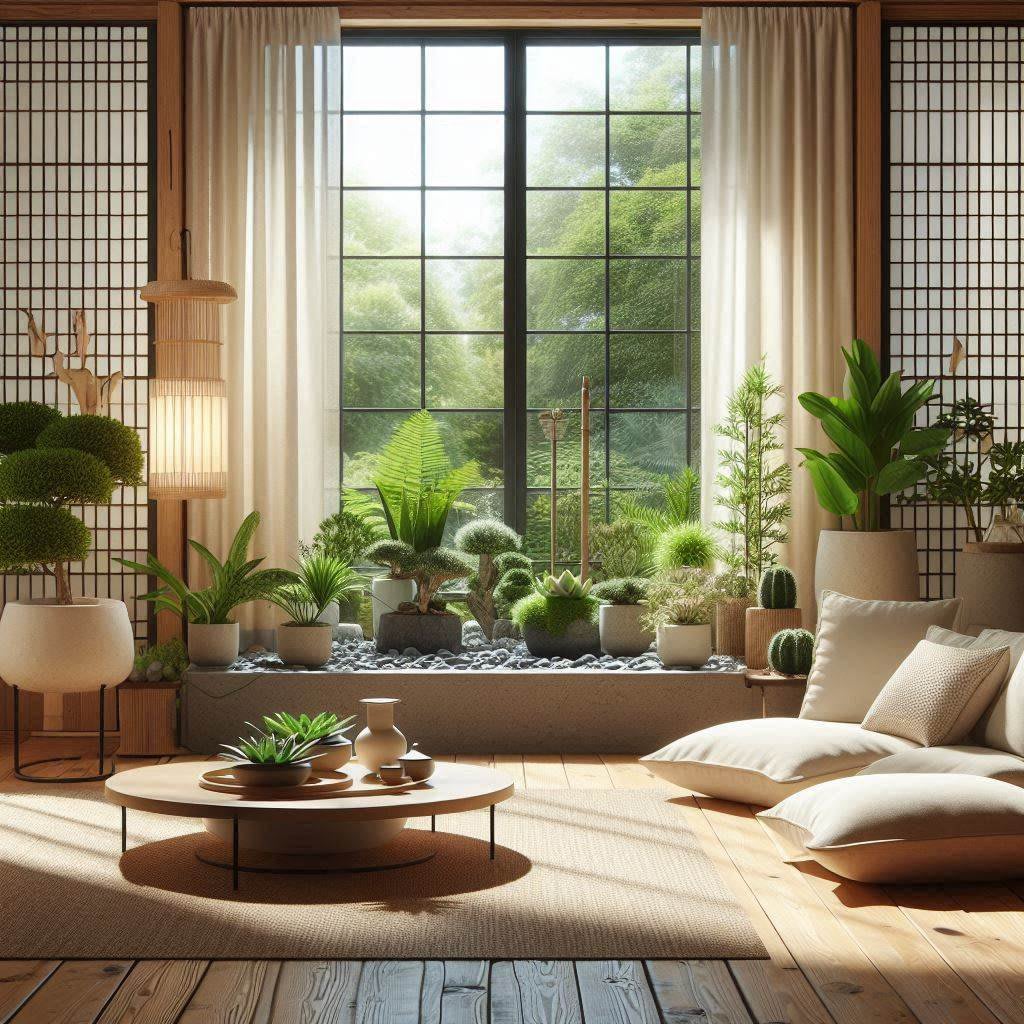
Sometimes our bodies need to pause from screens, noise and constant chores and jobs.
Imagine having a wellness room at home. A calm and restorative space.
Creating a sanctuary doesn't have to be expensive. You only need one small space in your home to help you recharge. You can design a space that holds you in calm with thoughtful intention.
Why it is Important to Have a Wellness Room
When your home is filled with clutter, you feel overstimulated. Your body will stay alert, even when you need to rest.
A wellness room is a space where your body can feel safe and you can relax, breathe, journal or meditate.
Your physical environment influences your emotional regulation. To encourage relaxation, use natural light, soft materials and soothing textures.
You only need a corner that feels intentional. You don't need an entire room.
A Budget-Friendly Wellness Room
Start with intention. You don't have to fill the space with items. Instead, remove what competes with peace.
It is important to have clarity over clutter. If the space is clear visually, it will immediately soothe the mind. The best way to do this is to empty the space, then bring back only the items that have purpose and create calm.
Get rid of harsh overhead bulbs. Replace them with soft lamps or candles. When you used light that mimics natural daylight, it helps your body feel more balanced and calmer.
Choose natural fabrics like linen, cotton or wool. These will bring grounded softness. These kinds of materials will encourage the body to slow down.
Bring the outside in by using a simple branch in a vase, a plant or listening to the sounds of birds through a window. Your body can then reconnect you with nature.
Repurpose, rearrange, and declutter before you spend. A true sanctuary begins with what you already have and love.
Choosing Your Space
Look for the quietest area or corner. Look for natural light if it is possible. Lighting can always be layered later, so don't let that be a barrier.
Look for a space with privacy. You need to be able to close your eyes and breathe without any interruption. Use a folding screen, a light curtain or a plant divider. This will create a visually separate space.
This space is to help you reconnect with yourself. It only has to feel like yours.
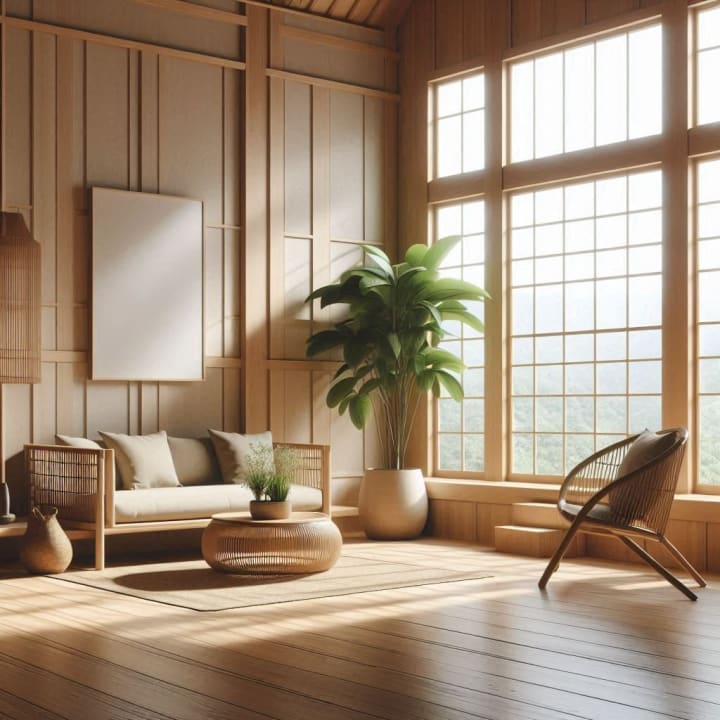
Wellness Room Essentials
Make a list. You don't have to include everything. Only elements that will transform even the smallest area into your haven.
Soft Lighting
Avoid bright overhead lighting. Use a small lamp with a warm bulb, string lights or candles. This will help with a soft glow that will help your nervous system.
Seating or Resting Area
Choose a surface where you can sit or lay down. You can use a floor cushion, meditation pill, or drape a blanket over a chair. This will become your anchor point. Here you can breathe and return to yourself.
Textiles and Layers
To create warmth and comfort, layer fabrics. Try and repurpose what you already have. A woven throw, rug, a piece of linen. Texture will bring the sensory calm your body needs.
Nature and Greenery
Plants will naturally regulate your mood and the air quality. Snake plants or even a vase of fresh flowers and branches can bring your space to life. Dried branches or flowers can also offer grounding without actually having to look after them.
Scent and Aroma
Scent can change your mood instantly. Use a natural candle, essential oil diffuser or simmer herbs on the stove before you want to utilize your wellness space. Lavender, sandalwood and cedarwood are the most calming scents.
Sound and Stillness
You can use gentle background music, the sounds of nature or white noise. Whatever you prefer to help come back to yourself.
Personal Focus Point
Add an object that can center you. A small bowl of stones a photo that brings you peace, affirmation or a piece of art will be your visual cue to keep you grounded.
Wellness Tools
To keep your space flexible, keep a yoga mat, journal, art materials or whatever you prefer in a basket. This way the space can evolve with your routines.
Keeping Calm and Grounded
With thoughtful arrangement, you can have one clear focal point, a seat or a rug, vertical space for shelves, hanging plants, or wall art to create openness. Using a mirror can help bounce light and make the space feel larger.
The goal is to maintain calm even in the movement of daily life.
Keep colours soft and cohesive. Use shades of stone, ivory, sage, and clay. Avoid strong contrasts. This can overstimulate the senses.
Budget-Friendly and Creative Ideas
You can create calm without needing to buy new items.
Use a blanket as a meditation mat, a bedside lamp could be moved to your space, an unused stool can hold small trinkets such as crystals, empty jars can be used as vases or candle holders.
By rearranging existing possessions, you can change how a space feels.
Daily Practice
Once your wellness space is complete, begin using it in consistent ways. Start at the start of the day or at the end of the day. Meditate, stretch or journal. Whatever you feel at the time. The calming effect will happen when you begin to associate this space as a space for restoration.
About the Creator
Jodie Rowe
Writer|Creator|Yogi Lover of Feng Shui, Personal Development, Wellness and Interior Design
Keep reading
More stories from Jodie Rowe and writers in Motivation and other communities.
One Hard Thing
Stop me if you’ve heard this one before: You have the number, you know your schedule- you’ve even picked out the perfect day and time to make this appointment. Shoot, you’ve even picked out alternative days and times just in case their schedules can’t accommodate you!
By Taylor Rigsby8 days ago in Motivation
Why Your Struggle Is Your Strength
I lost everything in the span of six months. My job disappeared in a round of layoffs. My relationship ended after five years. My father was diagnosed with cancer. And just when I thought things couldn't get worse, my car broke down on the side of the highway during a rainstorm, and I sat there crying so hard I could barely breathe.
By Fazal Hadi5 days ago in Motivation
Dead and Wearing Green
She was wearing that green dress when I first saw her, five years ago to the day. Flowing meadow fabric draped over long legs, thick auburn hair flowing down her back. That smile. Of course, she is still beautiful now. But now she is no longer alive.
By Karen Cave5 days ago in Fiction




Comments
There are no comments for this story
Be the first to respond and start the conversation.