health
Keeping your mind and body in check - popular topics in health and medicine to maintain a long and healthy life.
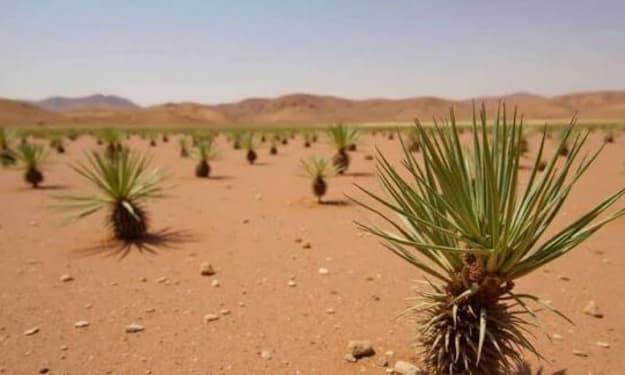
More Than 5 Million Native Plants Reintroduced in Deserts Are Slowing Land Degradation and Rebooting Arid Ecosystems. AI-Generated.
Deserts are often seen as barren, unforgiving landscapes, but they are far from lifeless. These ecosystems, while harsh, support unique biodiversity and provide critical environmental services, from carbon sequestration to regulating local climates. Yet, decades of overgrazing, unsustainable land use, and climate change have taken their toll, leaving many arid regions struggling with soil erosion, loss of native vegetation, and diminished ecological resilience. Now, a bold rewilding effort is turning the tide: over five million native plants have been reintroduced into deserts worldwide, and the early results are promising. The scale of the initiative Across regions from the deserts of the Middle East and North Africa to the arid plains of Australia and North America, conservation organizations, local communities, and governments have collaborated to replant native species that were once nearly wiped out. These plants range from hardy shrubs and grasses to iconic desert flowers, all carefully selected for their ability to survive in extreme conditions and restore ecological balance. The numbers are staggering: more than 5 million individual plants have been transplanted over the last five years, covering thousands of hectares. While this effort is labor-intensive, involving soil preparation, irrigation during establishment phases, and ongoing monitoring, the environmental payoff has been remarkable. Slowing land degradation One of the primary goals of these reintroductions is to combat land degradation, a process that affects over 40% of the planet’s land surface. In deserts, degradation is particularly acute because soil erosion occurs rapidly in the absence of stabilizing vegetation. Without plants to anchor the soil, wind and water can strip away fertile topsoil, creating a feedback loop of declining vegetation and worsening erosion. Early monitoring reports suggest that reintroduced native plants are helping to stabilize sandy soils and reduce the spread of desertification. In some areas of the Middle East, for instance, wind erosion rates have decreased by up to 30% in regions where shrubs and grasses were replanted. This stabilization not only benefits the environment but also local communities that rely on the land for grazing, agriculture, and other livelihoods. Rebooting arid ecosystems Beyond slowing soil loss, these plant reintroductions are rebooting entire desert ecosystems. Deserts are home to a diverse array of wildlife, including insects, birds, and mammals that rely on native plants for food and shelter. By re-establishing vegetation cover, these efforts have triggered a cascade of ecological benefits. In parts of the Sonoran Desert in North America, researchers observed a noticeable increase in pollinator populations, such as bees and butterflies, following the reintroduction of native flowering plants. Similarly, small mammals and reptiles that had disappeared from degraded areas are gradually returning, attracted by improved habitat structure and food availability. Climate resilience Another key advantage of reintroducing native plants is enhancing climate resilience. Many desert plants are adapted to survive extreme heat, drought, and poor soils. By re-establishing these species, ecosystems can better withstand climate-related stresses, such as prolonged droughts or extreme heatwaves. Additionally, some species improve soil moisture retention and reduce surface temperatures, creating microclimates that further support biodiversity. Community engagement and knowledge transfer What makes these rewilding efforts particularly successful is the integration of local communities. Indigenous knowledge about native species, planting techniques, and seasonal cycles has been invaluable. In some regions, schools and community groups participate in planting days, turning conservation into a source of pride and education. This engagement ensures that restored areas are maintained, monitored, and valued over the long term. Looking ahead While the reintroduction of five million native plants is a significant achievement, experts caution that long-term success requires continued investment, monitoring, and protection from overgrazing, development, and climate pressures. However, the initiative provides a compelling example of how targeted, science-backed restoration can reverse environmental damage. For arid ecosystems, these efforts are more than just planting trees and shrubs—they represent hope. They demonstrate that even the most fragile landscapes can recover when humans actively collaborate with nature, restoring not only plants but the entire web of life that depends on them. As the world grapples with climate change and land degradation, the lessons from these desert rewilding projects offer a blueprint for action: by investing in native biodiversity, we can slow degradation, rebuild ecosystems, and create landscapes that are resilient, productive, and teeming with life once again.
By Fiaz Ahmed Brohiabout a month ago in Longevity
The Hidden Power of the Nerve Endings in Your Feet
Most people don’t give much thought to their feet unless they’re uncomfortable or tired. Yet beneath the surface, the nerve endings in the feet are constantly working, sending vital information to the brain that influences balance, posture, and movement. These signals operate quietly in the background, but they play a far greater role in daily life than many people realize.
By AhmedFitLifeabout a month ago in Longevity
What Is Proprioception? Why Body Awareness Matters More Than You Think
Balance is something most people take for granted—until it starts to feel unreliable. A moment of unsteadiness, a fear of falling, or difficulty walking on uneven ground can raise questions that many people struggle to answer. Strength alone doesn’t always explain these changes. In many cases, the missing piece is something far less talked about: proprioception.
By AhmedFitLifeabout a month ago in Longevity
The Hidden Danger of Visceral Fat. AI-Generated.
Did you know that carrying excess body fat can dramatically increase your risk of serious diseases—even if you appear slim? Research has shown that women with higher body fat over 13 years had a three-fold increase in breast cancer risk. And it’s not just breast cancer—visceral fat has been linked to 14 other cancers, from colon to ovarian to prostate. This is the fat that hides deep inside your body, around your organs, quietly sabotaging your health.
By Edward Smithabout a month ago in Longevity
The 10 Best Diets for Weight Loss That Are Sustainable and Recommended By Nutritionists
As a dietitian, I know that weight loss is a common goal at the start of a new year. But it’s important to approach it with a focus on health, balance, and sustainability. As a calorie deficit is necessary to lose weight, the right eating pattern makes a difference. It can support your journey while also nourishing your body, improving energy levels, and promoting overall well-being. It’s not about quick fixes or extreme measures—the best diets for weight loss are about finding an approach that works for you in the long term.
By Good health to everyoneabout a month ago in Longevity
What Dehydration Really Does to Your Lab Results
Most people think dehydration has to feel extreme to matter. They imagine dizziness, dry mouth, or obvious thirst. So when labs come back “off,” dehydration is rarely the first thing they consider.
By Tarsheta (Tee) Jacksonabout a month ago in Longevity
The 20-Year Advantage: What Decades of Consistency Actually Look Like
You can spot them from across the gym floor. Not because they're lifting the heaviest weights or running the fastest. But because something about them doesn't add up. The numbers don't match the appearance. An 80-year-old woman with the posture and muscle definition of someone in their fifties. A 90-year-old man who moves with the ease of someone half his age.
By Destiny S. Harrisabout a month ago in Longevity
Simple Habits for Better Mental Health
Mental health is just as important as physical health, but many people forget to take care of it. Life is busy, stressful, and sometimes overwhelming. The good news is that improving mental health does not always need big changes. Small and simple habits, done every day, can make a big difference over time.
By John Smithabout a month ago in Longevity
Bacterial Skin Infections
Introduction: When it comes to skin irritation, not every one of them is a simple rash. There are some bacteria that can enter the skin through tiny cuts and hair follicles. These bacteria include Staphylococcus aureus (Staph) or Streptococcus pyogenes (Strep) that can cause infections ranging from irritation and bothersome to dangerous.
By benjamin taylorabout a month ago in Longevity
The Muscle Paradox: Why Training Harder Is Making You Weaker
I watch it happen every week. Someone walks into the gym with fire in their eyes, ready to transform. Six months later, they're frustrated, confused, and barely any different than when they started. Same weights. Same physique. Same excuses.
By Destiny S. Harrisabout a month ago in Longevity