
Tips for Arranging a Home and Saving Space
Tips and tricks for Arranging a Home

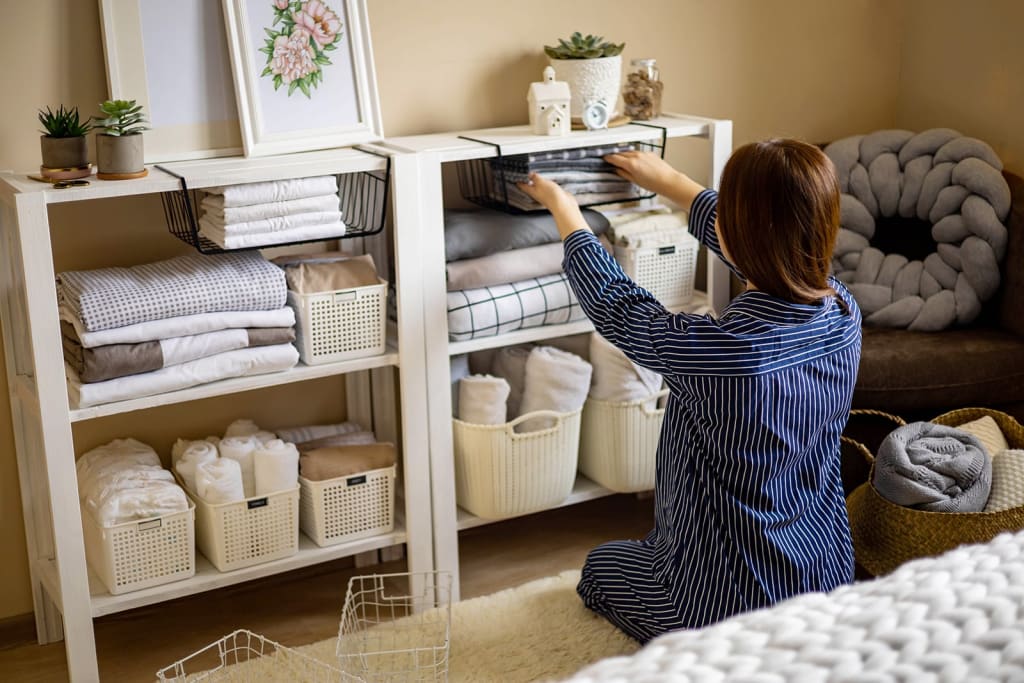
Most homes don’t suffer from a lack of square footage as much as a lack of smart decisions. Stuff piles up, rooms feel crowded, and storage never seems to stretch as far as you want. The good news is that you can usually reclaim more space than you think without remodeling or buying expensive furniture. It just takes a few thoughtful shifts in how you arrange and use what you already own.
These ideas focus on what actually works in day-to-day life. They’re practical, simple to apply, and friendly to any home size.
Start with what you’re keeping, not what you’re storing
Many people begin by hunting for bins or shelves, assuming the answer is more storage. But the fastest way to create space is to decide what truly belongs in your home. This doesn’t require a dramatic decluttering session. Instead, try one small habit: each time you pick up something you haven’t used in months, ask whether it still earns its place. If the answer is no, set it aside for donation or recycling.
A slow, steady approach avoids burnout and lets your home reshape itself naturally. As clutter disappears, the space you’re trying to save begins to reveal itself.
Use the walls the way most people don’t
Walls often do very little beyond holding artwork. With a few adjustments, they can carry some of the load that usually falls on the floor.
A few ideas:
- Shallow shelving. Even shelves as narrow as four inches can hold spices, small books, bathroom products, or craft supplies without crowding a room.
- Vertical hooks. Hanging pans, tools, or bags frees drawers and cabinets. A row of hooks next to the entry keeps jackets and backpacks off chairs.
- Pegboards. They’re not just for garages. A painted pegboard in a kitchen or office lets you arrange items in flexible patterns that shift as your needs change.
The goal isn’t to cover every wall but to recognize that a little vertical storage can prevent a lot of floor clutter.
Choose furniture that works harder than it looks
If a piece of furniture only does one job, it’s often holding back the room. This doesn’t mean you need clever, futuristic contraptions. Simple upgrades work well:
Storage ottomans hide blankets, games, or remote controls while doubling as seating.
Beds with drawers eliminate the need for a separate dresser in small rooms.
Drop-leaf or gateleg tables expand when you need extra space for guests and shrink when you don’t.
One helpful rule: before bringing anything new into your home, ask what two problems it solves. If it solves only one, keep looking.
Rethink traffic flow room by room
A room feels cramped when furniture interrupts the natural path through it. Walk through your home as if you’re seeing it for the first time. Where do you naturally step? Do you skirt around the coffee table? Does a chair stick out just enough to catch your hip? These small frustrations signal opportunities.
Try nudging pieces a few inches at a time. Sometimes shifting a sofa six inches toward a wall or rotating a table frees enough walkway space to change how the entire room feels. The goal is an easy, uninterrupted line from the entry point to the far end of the room.
Divide spaces without building anything
Open rooms are flexible but can feel scattered. You can “create” more usable space by carving out zones within one area.
A few low-effort ways to do this:
- Use rugs to mark boundaries. A rug under the couch cluster signals “living area,” while a second rug under a small table creates a reading or work spot.
- Position furniture as borders. A bookshelf placed perpendicular to a wall can divide a living room from a dining area without blocking light.
- Float furniture instead of pushing it against the walls. A sofa floating in the center can create pathways behind it and make the room feel more intentional.
Make closets work the way you actually live
Most closets come with one rod and a shelf, which wastes a lot of vertical room. A simple reconfiguration often doubles their capacity.
Consider these small upgrades:
- Add a second hanging rod for shirts and pants.
- Use stackable shelves for shoes instead of piling them on the floor.
- Hang organizers for hats, gloves, or accessories.
- Place clear bins on high shelves so you know what's inside without pulling everything down.
Organize based on frequency. Items you use weekly belong at eye level. Seasonal or rarely-used things can live up high or deep in corners.
Stop storing things where you think they should go
We tend to keep items in traditional spots even when those spots don’t make sense. Towels go in the hallway closet. Office supplies go in a drawer under the printer. But your home works better when your storage matches your behavior.
If you always fold laundry in the living room, put extra baskets or a small dresser nearby. If you drop mail on the kitchen counter every day, make that area the designated sorting station instead of fighting the habit. A setup that follows your patterns will stay neater with less effort.
Build small routines that protect your space
Organization doesn’t stay organized by itself. A few minutes of daily habits make a bigger difference than a weekend spent cleaning.
These small routines help:
- A five-minute reset each night. Pick up stray items, return dishes to the kitchen, and fold or hang clothes.
- A weekly “surface sweep.” Clear tables, counters, and nightstands. Wipe them down. When surfaces are clean, the whole home feels open.
- A monthly check-in. Choose one drawer or shelf and tidy it. This keeps clutter from creeping back unnoticed.
These habits prevent the gradual buildup that makes a home feel smaller over time.
Use containers that guide behavior, not hide mess
Storage bins can either help you stay organized or hide the problem. The most effective containers are open, visible, and easy to use. For example:
- A basket near the entry for shoes.
- A tray on the coffee table for remotes and chargers.
- A shallow bin under the sink for cleaning bottles so you don’t knock things over while reaching.
Avoid containers that require too many steps to use, like decorative boxes with lids you’ll forget to put back. The easier the container is to access, the more likely you’ll keep using it.
Give every item a home, even the odd ones
Homes fill with awkward objects: extension cords, board games, wrapping paper, pet supplies. These items pile up because they don’t have defined storage spots. Take fifteen minutes to assign each one a specific location. Label it if that helps.
When everything has a place, you spend less time moving objects from one temporary perch to another. The space stays clearer because you’re not guessing where anything goes.
Think “less but better” when buying new items
If you’re trying to save space, new purchases deserve extra scrutiny. Ask these questions before buying:
Will this make daily life noticeably easier?
Do I own something similar that I could use instead?
Am I buying this because it solves a problem or because it seems convenient in the moment?
Fewer, higher-quality items take up less space than many cheap or half-useful ones. They also make your home feel calmer and more intentional.
Create tiny storage where big storage won’t fit
Even the smallest home has overlooked corners. A few examples:
- A narrow cart between the washer and dryer for detergents.
- A slim shelf behind a door for toiletries.
- A clip-on caddy on a bed frame for books or glasses.
- A tray on a windowsill for herbs or small plants.
These micro-solutions add functionality without crowding the room.
Let light do part of the work
Light affects how spacious a room feels. Bright, clear spaces always appear larger than dim or shadowed ones. You don’t need major lighting upgrades. A few simple adjustments help:
- Open curtains as far as they’ll go.
- Replace heavy drapes with lighter fabric.
- Use mirrors to reflect natural light.
- Add a small lamp in a dark corner to make it feel like part of the room again.
When every area is lit, the space feels more continuous and open.
Treat your home like a living system, not a fixed layout
The biggest shift in saving space is accepting that your home changes as your life changes. What worked last year may not work now. Rearrange when the old setup starts to feel strained. Move items, switch rooms, rotate furniture. Let your home adapt to you instead of forcing yourself to adapt to it.
A flexible mindset creates a flexible space.
Researching Moving Companies
Thoroughly researching moving companies is fundamental for a successful relocation. Look for companies with a strong reputation, positive reviews, and transparent pricing. Obtain quotes from multiple professional moving companies or seek recommendations from friends and family. Compare moving services, prices, and ensure they have proper licensing and insurance. Always read the fine print before signing a contract. For a DIY move, evaluate various truck rental services and their policies.
- Credentials: Verify the moving company is licensed by the Department of Transportation or the relevant authority in your region.
- Reviews: Look for credible, real-world testimonies from previous customers.
- Quotes & Pricing: Obtain written quotes and inquire about any hidden fees.
By following these guidelines for creating a moving plan, you can maximize your efficiency, minimize stress, and make your moving experience hassle-free.
About the Creator
Libin Ceazer
Experienced Digital Marketer and Web Developer with a demonstrated history of working in the information technology and service industry. Currently working Reef Movers in Dubai
Keep reading
More stories from Libin Ceazer and writers in Lifehack and other communities.
How to Find House Movers in Sharjah?
Are you in search of a professional team to help with your house moving requirements in Sharjah? If yes, then we here at Reef Movers can help! Recognized as one of the best movers and packers in Sharjah, we strive to render a service that is not only cost-effective but also guarantees the safety of all your furniture, household items, and other fragile materials. Our team is composed of trained professionals that can help you with packing, unpacking, loading, and unloading your belongings.
By Libin Ceazer6 months ago in Lifehack
Moving Smart in Boise: Local Details That Make a Big Difference
Relocating within a city often sounds simple, especially when the distance between homes is short. However, many Boise residents discover that local moves require just as much planning as long-distance ones. The difference is not how far you go, but how well you prepare for the details that tend to be overlooked.
By House Doctor5 days ago in Lifehack




Comments
There are no comments for this story
Be the first to respond and start the conversation.