
Hampta Pass | Trek Distance, Best Time, Difficulty & More
Discover everything about the Hampta Pass Trek — from trek distance and difficulty level to the best time to visit, altitude profile, weather, permits, and how to reach. A complete guide for your next Himalayan adventure.
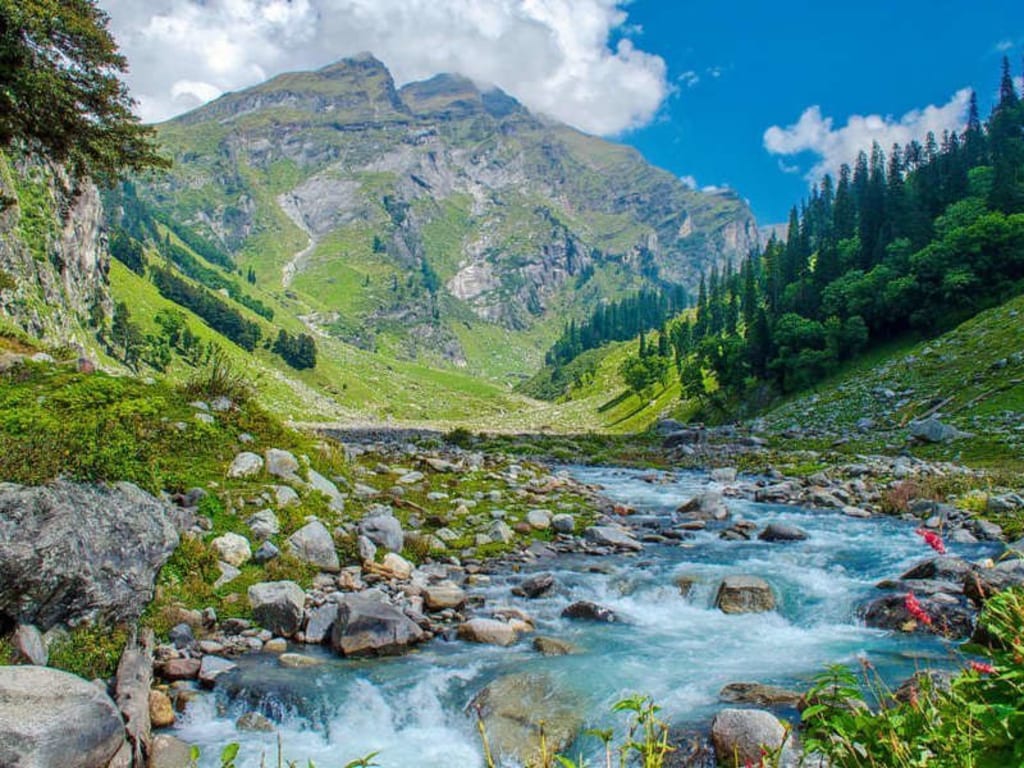
The Hampta Pass Trek is a remarkable crossover trail in Himachal Pradesh that links the lush green Kullu Valley with the stark deserts of Lahaul. If you’re searching for a trek that offers striking landscape contrasts, varied terrains, and a thrilling yet achievable challenge, Hampta Pass is a perfect choice. This guide covers every important detail — from distance and best season to difficulty and trail features — to help you prepare thoroughly for your adventure.
Overview of the Hampta Pass Trek
Located in the Pir Panjal range of the Himalayas, the Hampta Pass trek starts from Jobra, which is near Manali, and concludes at either Chatru or Chandratal Lake depending on the itinerary. The trek is generally completed in four to six days and reaches a maximum altitude of about 14,100 feet at Hampta Pass. The total trekking distance is around 28 kilometers. Though the trail is relatively short, the variety it offers — forests, meadows, river crossings, glacial valleys, and high-altitude passes — makes it an incredibly enriching Himalayan experience.
Trek Distance Breakdown
The trek begins with a short hike from Jobra to Chika, a beautiful riverside campsite. On the next day, you ascend gradually to Balu ka Ghera, a large plain where shepherds often camp with their flocks. The most demanding and rewarding section is the third day, when trekkers cross the Hampta Pass and descend to Shea Goru on the other side. The final stretch leads to Chatru, the road-accessible point in the Spiti-Lahaul region. Some itineraries also include a scenic drive to Chandratal Lake, about 70 kilometers from Chatru, if road and weather conditions allow.
Best Time to Visit Hampta Pass
The best time to do the Hampta Pass trek is between mid-June and early October. The trail opens in mid-June when the snow starts to melt, revealing emerald meadows and patches of snow along the way. By late June and early July, snow remains in some sections, making it an exciting time for snow lovers. The peak monsoon season from mid-July through August brings lush greenery, blooming wildflowers, and a vibrant Kullu Valley, although it also means increased chances of rain and slippery trails. September and early October are perfect for those seeking clearer skies, fewer crowds, and colder but more stable weather. After mid-October, snowfall increases and the route becomes unsafe for trekking.
Difficulty Level and Challenges
Hampta Pass is considered a moderate trek, making it suitable for both first-time trekkers and experienced hikers. The trail does not involve technical climbing or extremely long distances, but it does require good stamina and physical fitness. The most challenging part is the long ascent and descent on the day of crossing the pass, which can take up to nine hours of continuous hiking. River crossings, changing weather, and high altitude can also add to the difficulty. However, with proper preparation and a steady pace, even beginners with a basic level of fitness can comfortably complete this trek.
Distance and Altitude Profile
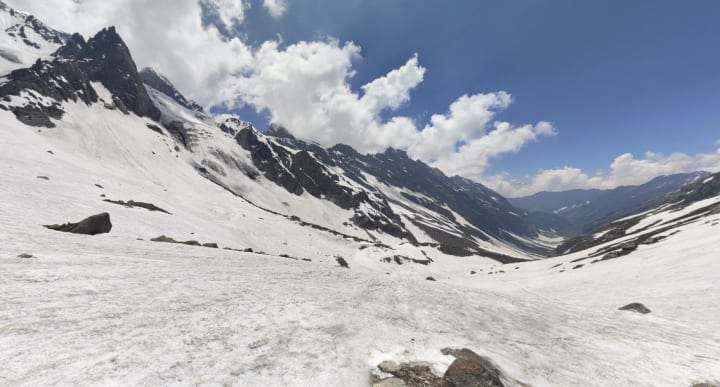
the Hampta Pass trek spans close to 28 kilometers in total. This journey typically takes four days to complete, starting from Jobra and ending at Chhatru, with an optional visit to the scenic Chandra Taal Lake. Chandra Taal lies approximately 50 kilometers ahead of Chhatru and can be reached by a 4 to 5-hour drive through mountain roads. The trek features a steady altitude gain of nearly 2,000 feet each day, making it a great choice for both first-timers and seasoned trekkers. While the route is classified as moderately difficult, it remains accessible thanks to favorable weather conditions, including mild temperatures and occasional light rain. The trail offers a diverse mix of terrain — from dense forests and cascading waterfalls to rocky sections, multiple stream crossings, and a few steep climbs and descents. The itinerary typically begins with a drive from Manali to Jobra, followed by the trek route: Jobra to Balu ka Ghera, then over Hampta Pass to Shea Goru, onward to Chhatru with the chance to detour to Chandra Taal, and finally back to Manali via Rohtang Pass.
The trek starts at an altitude of approximately 9,800 feet at Jobra and ascends steadily to 14,100 feet at Hampta Pass before descending to 12,500 feet at Shea Goru. The altitude gain is gradual, which helps with natural acclimatization. Most trekkers do not face severe altitude sickness issues on this trail, but it’s still important to stay hydrated, avoid rushing, and listen to your body as you ascend.
Landscape and Natural Beauty
One of the most captivating features of the Hampta Pass trek is the dramatic change in scenery. The first half of the trek, from Jobra to Balu ka Ghera, passes through thick forests of pine and maple, wide open meadows, and flower-filled valleys. The region is alive with rhododendrons, alpine flowers, and vibrant greenery during the monsoon. After crossing the pass, the landscape changes suddenly into the arid and barren beauty of Lahaul, marked by rugged mountains, snow patches, and glacial streams. The contrast between these two regions is what makes this trek so memorable and photogenic.
Wildlife and Flora
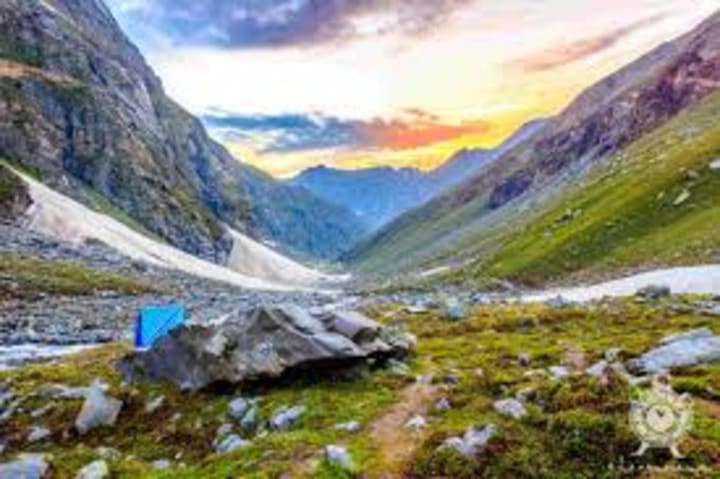
During the initial days of the trek, you’ll come across thick alpine forests and a variety of flora like rhododendrons, silver birch, and Himalayan flowers. Marmots can sometimes be seen along the meadows. After the pass, the terrain becomes more barren with limited vegetation, but the views open up dramatically to reveal the grandeur of the high Himalayas.
Permits and Entry Requirements
Permits are mandatory for the Hampta Pass trek and are generally arranged by the trekking company you book with. If your itinerary includes a visit to Chandratal Lake, an additional permit for crossing Rohtang Pass may be required, especially for vehicles. Always carry government-issued ID proof with you during the trek, and be sure to follow all local and environmental guidelines.
Connectivity and Mobile Network
Once you leave Manali and head toward Jobra, mobile networks begin to fade. There is no mobile connectivity at any of the campsites including Chika, Balu ka Ghera, Shea Goru, or Chatru. Manali is the last place where you’ll have reliable network and internet access. BSNL may offer occasional signals near Chatru, but it is not guaranteed.
Accommodation and Food
Accommodation during the trek is in the form of alpine tents provided by your trek operator. Campsites are set up in designated open areas with necessary facilities like sleeping bags, mats, and dining tents. Food served is usually vegetarian and includes hot meals like rice, dal, sabzi, poha, upma, soup, and tea. Carrying some personal snacks, energy bars, and ORS sachets is always a smart idea for extra energy.
Getting to the Starting Point
To begin the trek, you first need to reach Manali, which is well connected by overnight buses from Delhi and Chandigarh. The nearest airport is at Bhuntar, located around 50 kilometers from Manali. From Manali, it takes about one to two hours to drive 18 kilometers to reach Jobra, the trailhead. This drive can be arranged through local taxis or trekking companies. After completing the trek at Chatru, trekkers usually drive back to Manali via the Rohtang Pass.
Important Tips Before You Go
Prepare for cold nights and sudden weather changes, especially near the pass. Start your trekking day early, particularly on the day of the pass crossing, to avoid getting caught in afternoon weather shifts. Use proper trekking gear, including quick-dry clothes, reliable hiking shoes, and a walking stick for added balance. Pack light but do not forget essentials like a raincoat, sunscreen, woolen gloves, sunglasses, and personal medicines.
Conclusion
Hampta Pass is a trek that delivers more than what most short Himalayan treks can promise. From lush green valleys and wildflowers to the raw, dramatic terrain of Lahaul, every section feels like you’ve entered a new world. With a balanced mix of beauty, adventure, and cultural exposure, Hampta Pass is the perfect introduction to Himalayan trekking — and a journey that will stay with you forever.
About the Creator
Keep reading
More stories from Mountains Curve and writers in Lifehack and other communities.
Places to Visit in Uttarkashi
If you’re a nature lover, an adventure enthusiast, or someone seeking spiritual solace, Uttarkashi is the place to be. Whether you’re looking for an adrenaline-pumping trek, a quiet escape into nature, or a deep dive into the spiritual heart of the region, Uttarkashi offers it all.
By Mountains Curve12 months ago in Journal
Marketing for Moving Companies in the Digital Age: Building Trust Before the Move
In the moving industry, trust is everything. Before a customer allows a company to handle their belongings — often their most valuable possessions — they need to feel confident in the service, the people behind it, and the overall experience. That confidence doesn’t happen by accident. It’s built through thoughtful, consistent marketing that focuses on connection rather than pure promotion.
By House Doctora day ago in Lifehack
Moving Companies in Beavercreek: How Local Expertise Shapes a Better Relocation Experience
Relocation is rarely just a physical process of transporting belongings from one place to another. It represents a transition that involves emotional adjustment, logistical coordination, and careful planning. In growing suburban communities like Beavercreek, Ohio, moving companies play an essential role in supporting individuals and families through these changes by offering expertise grounded in local knowledge.
By House Doctora day ago in Lifehack


Comments