
EXTINCT AND EXTINCTION
Deadly animals we're relieved are no more
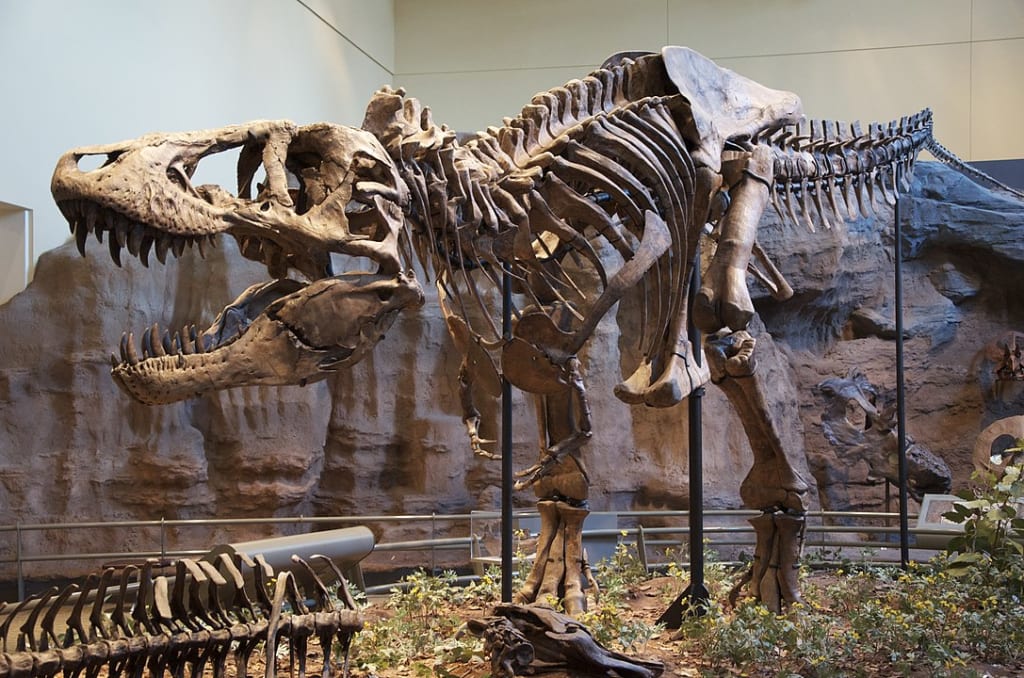
Introduction:
Nature is teeming with fascinating creatures, some of which possess lethal capabilities that could send shivers down our spines. However, as the Earth's biodiversity has evolved over time, certain species have faced extinction. Join us as we explore the realm of extinct animals, specifically those that once posed great danger to humans, and reflect on why their absence might be cause for relief.
Tyrannosaurus Rex:
Perhaps the most iconic extinct predator, the Tyrannosaurus rex ruled the Late Cretaceous period. With a towering height of over 20 feet and a massive jaw equipped with dagger-like teeth, it was a formidable carnivore. The thought of encountering this apex predator in the wild would undoubtedly be terrifying. Fortunately, the extinction of the T. rex around 65 million years ago means we can now appreciate its awe-inspiring existence from a safe distance.
Saber-Toothed Tiger:
The saber-toothed tiger, scientifically known as Smilodon, possessed fearsome canines that could grow up to a foot long. This extinct feline roamed the Earth during the Pleistocene epoch. Its massive jaws and razor-sharp teeth were perfectly adapted for taking down large prey. While the idea of encountering such a powerful predator sends shivers down our spines, we can find solace in the fact that these dangerous cats are now confined to the pages of history.
Woolly Mammoth:
The woolly mammoth, with its immense size and intimidating tusks, was a herbivorous behemoth that once roamed the icy landscapes of the last Ice Age. While not a direct threat to humans, the sheer mass and power of these colossal creatures would have made any encounter nerve-wracking. However, with the extinction of the woolly mammoth thousands of years ago, we are spared the potential dangers associated with sharing our environment with these mighty beasts.
Great Auk:
The Great Auk was a large, flightless bird that inhabited the North Atlantic. With its penguin-like appearance, it was ill-equipped for life on land, but a skilled swimmer beneath the waves. Sadly, the combination of overhunting and habitat destruction led to its extinction in the mid-19th century. While not directly threatening to humans, the loss of this unique species means we no longer have to fear encroaching upon their nesting grounds or face the possibility of harming these vulnerable creatures.
Giant Short-Faced Bear (80 words):
The Giant Short-Faced Bear, also known as Arctodus simus, was one of the largest terrestrial carnivores to have ever lived. Towering at over 11 feet tall when standing on its hind legs, this ancient bear was a force to be reckoned with. Fortunately, this formidable predator went extinct thousands of years ago. We can now appreciate its awe-inspiring size and strength through fossils, grateful that we no longer need to fear an encounter with this massive creature.
Haast's Eagle:
Haast's Eagle, native to New Zealand, was a fearsome bird of prey. With a wingspan of up to 10 feet, it was one of the largest eagles to have existed. Feeding on large prey such as moa, these powerful raptors would have been a formidable presence in the skies. However, the extinction of both the Haast's Eagle and its prey means we no longer have to worry about the potential dangers they once posed.
Mosasaurus:
The Mosasaurus was a prehistoric marine reptile that prowled the oceans during the Late Cretaceous period. Growing up to 50 feet in length, with a mouth filled with sharp teeth, it was a dominant predator of its time. While the thought of encountering such a colossal sea creature is undoubtedly terrifying, the extinction of the Mosasaurus ensures that modern-day ocean explorers can explore the depths without fear of encountering this ancient marine predator.
Conclusion:
The extinction of certain deadly animals allows us to appreciate their magnificence and the inherent dangers they once posed from a safe distance. While their presence in the past undoubtedly shaped the course of evolution, we can now reflect on their absence with a sense of relief, grateful that we no longer need to face the perils they
About the Creator
Julius ubu
the world of discoveries is as vers as you can ever imagine, the more you dig deep, the more you unravel. so follow me on the quest for discoveries.
Keep reading
More stories from Julius ubu and writers in Lifehack and other communities.
15 PLACES ON EARTH WHERE GRAVITY DOESN'T SEEM TO WORK
Introduction: Gravity is an omnipresent force that governs the movement of objects on Earth. However, there are a few exceptional locations around the world where gravity seems to play by its own rules. These puzzling sites have captivated scientists and visitors alike, challenging our understanding of the laws of physics. Let's explore 15 places on Earth where gravity appears to defy expectations.
By Julius ubu3 years ago in Earth
The Meaning of Moving Forward: Reflections on Smart Relocation in Greenville, South Carolina
There is a moment before every move when everything feels suspended between past and future. Boxes begin to appear. Rooms slowly empty. Familiar spaces take on a different meaning as they prepare to be left behind. During this transition, moving becomes more than a practical task. It becomes a deeply personal experience shaped by memory, expectation, and change.
By House Doctora day ago in Lifehack




Comments
There are no comments for this story
Be the first to respond and start the conversation.