
Exercise Protects Memory: A Breakthrough in Cognitive Health and Brain Function
The Power of Physical Activity in Protecting Brain Health

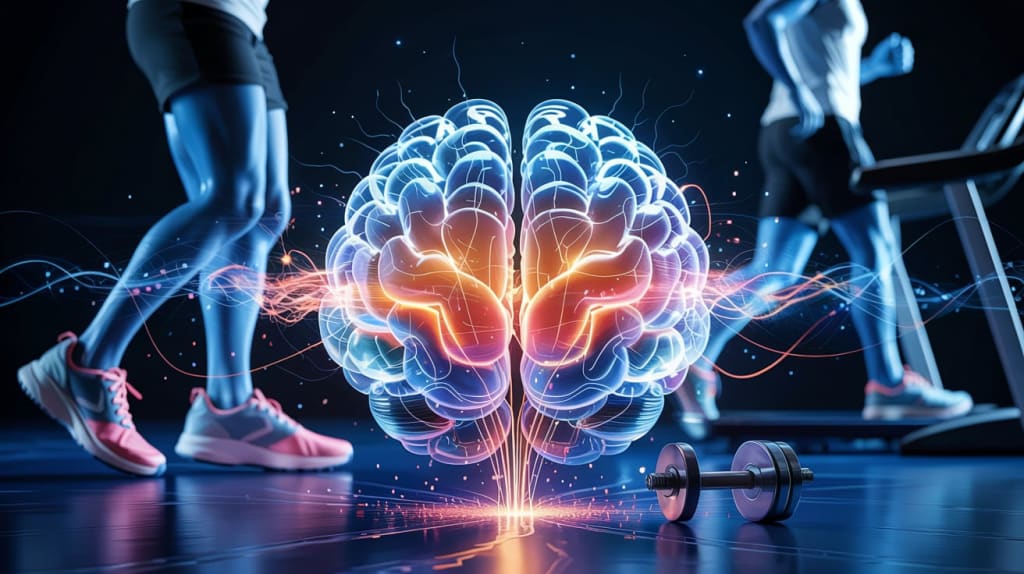
Maintaining cognitive health as we age is one of the most pressing concerns for both medical professionals and individuals alike. As conditions like Alzheimer's disease and other forms of dementia become increasingly common, finding ways to protect and preserve brain function is more important than ever. A recent groundbreaking study by researchers at the University of Missouri-Columbia has revealed a compelling link between physical exercise and improved cognitive function, even when the brain lacks the usual energy sources it relies on. This discovery suggests that exercise may be a crucial factor in protecting memory and brain function, even in the absence of adequate fuel from the body.
The Science Behind the Study
The research, led by experts in neuroscience, set out to explore how the brain manages its energy sources and how physical exercise might impact brain function, particularly memory, when those energy sources are depleted. Under normal conditions, the brain relies on glucose as its primary energy source, and in certain situations, such as fasting or ketogenic diets, it switches to using ketones, which are produced by the liver.
However, the study found that when ketone levels in the body are low—either due to metabolic disorders or liver issues—the brain struggles to maintain optimal cognitive function, which can result in memory impairments and decreased learning ability. This phenomenon is especially concerning for people with conditions like Alzheimer's, where metabolic dysfunction often occurs, further impacting brain health.
Incredibly, the study showed that even when ketone levels were insufficient, physical exercise could still protect and preserve memory function. This discovery is a game-changer for individuals with metabolic dysfunction or those at risk of neurodegenerative diseases. The research suggests that exercise triggers alternative mechanisms in the brain that help to counterbalance the lack of ketones, thereby protecting cognitive health.
How Exercise Helps the Brain
The central question this study addresses is: *How can exercise protect memory and cognition in the absence of energy sources like ketones?*
The answer lies in the brain’s remarkable ability to adapt to different energy conditions. When we engage in physical exercise, our bodies release a variety of proteins and hormones that not only support muscle function but also stimulate the brain. Among these molecules, BDNF (Brain-Derived Neurotrophic Factor) plays a key role in promoting the growth and maintenance of neurons. BDNF is essential for cognitive function, memory formation, and neuroplasticity—the brain's ability to reorganize itself by forming new neural connections.
Exercise also increases blood flow to the brain, delivering oxygen and nutrients that are crucial for brain health. This improved circulation helps clear out waste products from brain cells, reducing the buildup of toxic substances that are linked to neurodegenerative diseases like Alzheimer's. Moreover, regular physical activity has been shown to reduce inflammation, another factor that contributes to cognitive decline.
The Connection Between Exercise and Alzheimer’s Disease
Alzheimer's disease, one of the most common causes of dementia, is associated with the accumulation of abnormal proteins in the brain, particularly beta-amyloid plaques. These plaques disrupt communication between brain cells and contribute to memory loss and cognitive dysfunction. While there is no cure for Alzheimer's, a growing body of evidence suggests that physical activity can play a critical role in slowing its progression.
According to the University of Missouri-Columbia study, exercise helps by improving the brain’s ability to cope with the energy shortages that often accompany neurodegenerative diseases. In fact, the research highlights the importance of physical activity as a preventive measure, especially for individuals at risk of Alzheimer's and other memory-related disorders. By enhancing brain function and supporting neuroplasticity, exercise could potentially delay the onset of Alzheimer's or mitigate its symptoms.
Additionally, exercise has been found to increase the production of neurotransmitters like serotonin and dopamine, which are critical for mood regulation and cognitive function. These neurochemicals not only help improve mood but also enhance learning and memory processes, further cementing the link between physical activity and brain health.
Exercise as a Tool for Cognitive Protection
One of the key takeaways from this study is that exercise can serve as an effective and accessible tool for cognitive protection, even when the body is not producing enough ketones. This finding has important implications for individuals with metabolic disorders, those who struggle with obesity, or anyone experiencing cognitive decline due to aging or chronic illness.
The beauty of this research lies in its simplicity: exercise doesn't require specialized equipment or medication. It can be as simple as walking, running, cycling, or engaging in other forms of moderate physical activity. The more consistent the exercise routine, the greater the potential benefits for cognitive health.
Incorporating regular exercise into daily life can also help combat some of the common factors that contribute to cognitive decline, such as poor sleep, stress, and sedentary behavior. Exercise has been shown to improve sleep quality, reduce anxiety, and increase overall energy levels, all of which contribute to better brain function and memory.
The Role of Diet and Metabolism
While the study emphasizes the benefits of exercise in the absence of ketones, it is also important to recognize the relationship between diet, metabolism, and brain health. For those seeking to maximize the benefits of exercise for cognitive protection, a balanced diet rich in nutrients that support brain function is essential.
A diet that supports healthy brain aging includes foods rich in omega-3 fatty acids, antioxidants, vitamins, and minerals. Mediterranean-style diets, for example, have been linked to a reduced risk of Alzheimer's and other forms of dementia. Additionally, certain dietary patterns, such as intermittent fasting or a ketogenic diet, have been shown to encourage the production of ketones, providing an additional fuel source for the brain.
Conclusion: The Future of Exercise and Brain Health
The findings of the University of Missouri-Columbia study provide hope for individuals concerned about cognitive decline. They suggest that exercise is a simple yet powerful way to protect and preserve brain function, even in the absence of optimal energy sources. As the global population ages and the prevalence of Alzheimer’s and other cognitive diseases increases, the importance of regular physical activity as a preventive measure cannot be overstated.
For those looking to improve their brain health, incorporating physical exercise into daily life is a practical and effective strategy. Whether it’s through walking, swimming, or weight training, engaging in regular physical activity can enhance cognitive function, improve memory, and potentially protect against neurodegenerative diseases.
Ultimately, this research underscores the importance of a holistic approach to brain health—one that combines exercise, nutrition, and mental stimulation to create a strong foundation for long-term cognitive well-being.
About the Creator
Tech Horizons
Exploring the future of technology, AI, gadgets, and innovations shaping tomorrow. Stay updated with Tech Horizons!
Keep reading
More stories from Tech Horizons and writers in Lifehack and other communities.
Tandem Repeats May Explain Autism Risk
In an exciting breakthrough, scientists have unveiled compelling evidence connecting a specific genetic mechanism to the risk of autism spectrum disorder (ASD). The discovery, published in *Nature Neuroscience* and widely reported by Neuroscience News, has the potential to change how researchers and clinicians approach the genetic roots of autism. This new study sheds light on the role of tandem repeat expansions (TREs) — a type of genetic anomaly — and their impact on both neurodevelopment and behavior.
By Tech Horizons10 months ago in Lifehack
Making a Local Move in Arlington Heights: Planning, Timing, and Expectations
Moving within Arlington Heights is often seen as a manageable task, yet many residents discover that local relocations come with their own set of challenges. While distances may be short, details related to housing layouts, scheduling, and preparation can significantly influence how smoothly a move unfolds. Understanding these factors ahead of time allows residents to approach moving day with greater confidence and less stress.
By House Doctora day ago in Lifehack




Comments
There are no comments for this story
Be the first to respond and start the conversation.