
Energy Sources Preppers Should Look Into
While options seem to be limited, there are some considerations to consider when you look at energy sources.

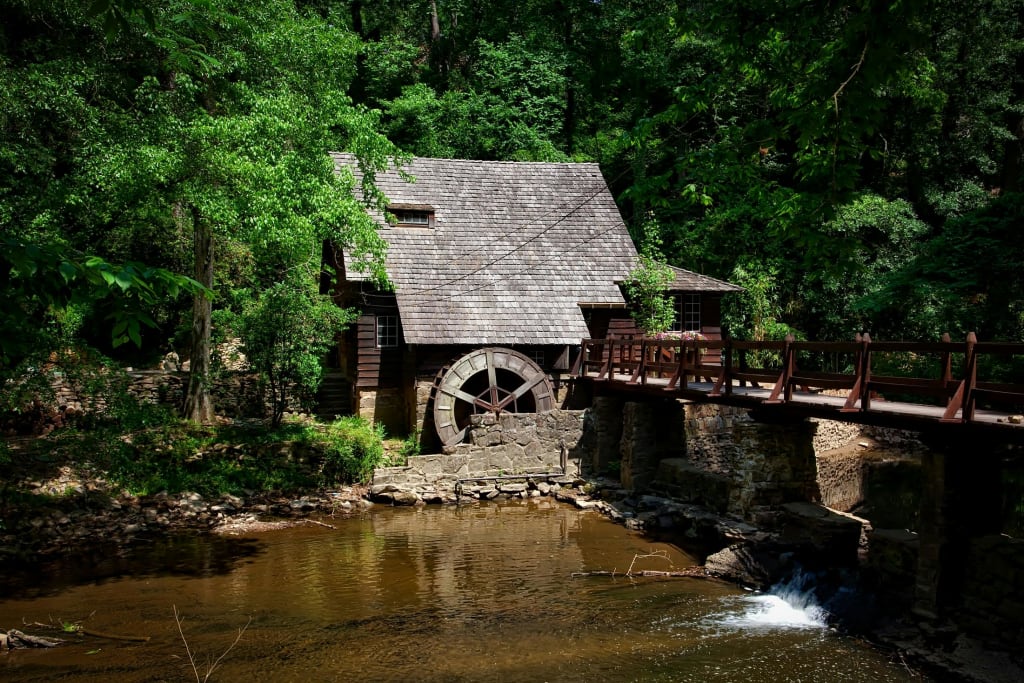
Preppers debate alternative energy sources. There is always going to be a debate over which one is best, as it depends on the specific needs of the prepper and the environment they are in: You need to look at what you have available when deciding on which energy source is the best for you. However, don’t be trapped by a false binary situation: You can select multiple energy sources, depending on your environment and financial situation. Also, bear in mind that, if you want to be completely self-sufficient, then there is a learning curve as you will need to learn how the technology works.
The Limits of Fossil Fuels
May as well start with the problem child. It’s well known that we’re running out of fossil fuels (petroleum, coal, and natural gas), and that it’s just a matter of time before we’re forced to use alternative power sources. They’re also bad for SHTF situations: They require some sort of massive logistics system to get the energy from where they are dug up to the consumer. Gasoline (from petroleum) is even worse as it will become “bad” over time, losing its potency as a fuel over time, such that a year later it’s virtually useless. As such, you need to count fossil fuels out when it comes to a potential long-term energy source.
[Nuclear sources have the same limit as far as logistics go; they require a working infrastructure to properly maintain. However, as they are nearly impossible to set up in the backyard, they are being essentially ignored for this article.]
Down By the Old Mill Stream
If you have a stream on your property, a hydroelectric plant is well worth looking into. The one limit to watch out for is cold temperatures that may freeze the water, and possibly an upstream dam, but otherwise this is the most predictable power source. Better yet, it’s pretty easy to set up a turbine that converts stream speed to power for your house, and you can use it as a mill to grind wheat into flour, helping change back-breaking labor into a simple chore. While this does require some possible diplomacy to avoid upstream neighbors from putting in a dam, the advantages far outweigh the disadvantages.
Interestingly, they work well in concert with dams. If the mill is placed where the water exits, the stream speed is increased, providing greater power for the mill. Also, the water kept behind the dam becomes a natural pond of sorts, allowing for a better breeding pool, creating an area with more fish. The pond itself becomes a watering hole, making it a great hunting spot. While you do have a potential problem with migratory fish (such as salmon), the advantages outweigh the disadvantages.
The Sun Is Always There
The sun is probably the most renewable source of energy available. Solar panels may be difficult to place, but they help decrease your dependence on the local energy grid; better yet, in some cases they provide enough energy that you can sell the surplus to the local power company. For a homesteader, this means that the homestead is powered and has some spare to store. While derided for not working during the night and decreased efficiency during cloudy days, they are still a great source of energy that requires little maintenance. They are also the only alternative energy source that urban preppers can take advantage of, even though there may be issues with your local HOA (or equivalent).
Solar generators are a pretty good substitute, but you need to remember that they are in fact batteries that recharge during the day, and need to placed somewhere where the sun will fall on them. This means that they will face decreased efficiency over time and may even stop recharging over time. However, this will usually take years to happen, ensuring that you should have at least some power in case of emergencies. Also note that they will not work straight out of the box; they need time in the sun to charge up before use. Nonetheless, they make a good source of power in an emergency, as well as for light general use.
The Wind Is Debatable
Wind turbines are an efficient energy source, but there are numerous problems to consider. First, not all places are created equal when it comes to wind flow, and wind turbines require a certain amount of wind; some areas simply don’t supply the wind needed due to natural windbreaks, such as wooded areas. Wind turbines also require a certain amount of space, disallowing their use in suburban and urban areas. There are also areas that outright ban them for “aesthetic purposes.” All of this means that while they are a great source of energy, only plan on their use if you have the room and wind.
There are plenty of alternative sources worth looking into by preppers. It’s just a matter of figuring out which power source works best for your needs and how to best exploit it for your needs. These methods are relatively easy to set up and there even exist programs for selling back any surplus electricity to the grid. With that in mind, any of them will work for you; pick one and enjoy the benefits.
About the Creator
Jamais Jochim
I'm the guy who knows every last fact about Spider-man and if I don't I'll track it down. I love bad movies, enjoy table-top gaming, and probably would drive you crazy if you weren't ready for it.
Keep reading
More stories from Jamais Jochim and writers in Lifehack and other communities.
Be the Anti-Karen For Better Self-Defense
Part of the problem with learning self-defense is remembering that how you interact with others determines how others treat you. This can determine not only how you are treated, but the severity of said treatment. If you treat those around you well, then others will treat you well; if you treat those around you poorly, then you will be treated poorly in turn. This can also determine if people will mess with you or leap to your defense, or even if people will call the police if you get into trouble.
By Jamais Jochim14 days ago in Lifehack
The Invisible Details That Shape Gatherings: A Personal Reflection on Table and Chair Rentals in Conroe, Texas
I never imagined that tables and chairs could carry emotional weight. For most of my life, they were simply objects — functional, practical, easy to overlook. A table was something you ate at. A chair was something you sat on. Their presence felt ordinary, almost invisible.
By House Doctora day ago in Lifehack
What Moving in Harrisburg Taught Me About Letting Go and Starting Again
When I first began planning my move to Harrisburg, Pennsylvania, I believed the experience would be straightforward. I imagined a process defined by logistics, schedules, and organization. My focus was on practical concerns such as packing, transportation, and adjusting to a new address. What I did not expect was how deeply the experience would reshape my understanding of space, routine, and emotional attachment.
By House Doctor3 days ago in Lifehack
The Cave Part 6
If you have ever heard a tale about yourself that you cannot remember and doubtless think is made up, you will know how I felt when Tharkin related all that the eagle had seen of me before my memories were scattered. Of far distances and traveling companions that I did not recall, camping out under the stars and making our way to the mountains with deliberate purpose. The great bird had lost contact with my party once we entered the forests, and the seven other members were not seen again by him or his brethren since.
By Jamye Sharp5 days ago in Chapters


Comments
There are no comments for this story
Be the first to respond and start the conversation.