
Designing a Home You’ll Love Living In: Interior Design Ideas for Modern Singapore Homes
A well-designed home does more than look good. It supports how you live, move, rest, and connect with others every day. In a city like Singapore, where homes are often compact and lifestyles are fast-paced, interior design becomes a practical tool for making daily life more comfortable and enjoyable.
Understanding How You Actually Use Your Space
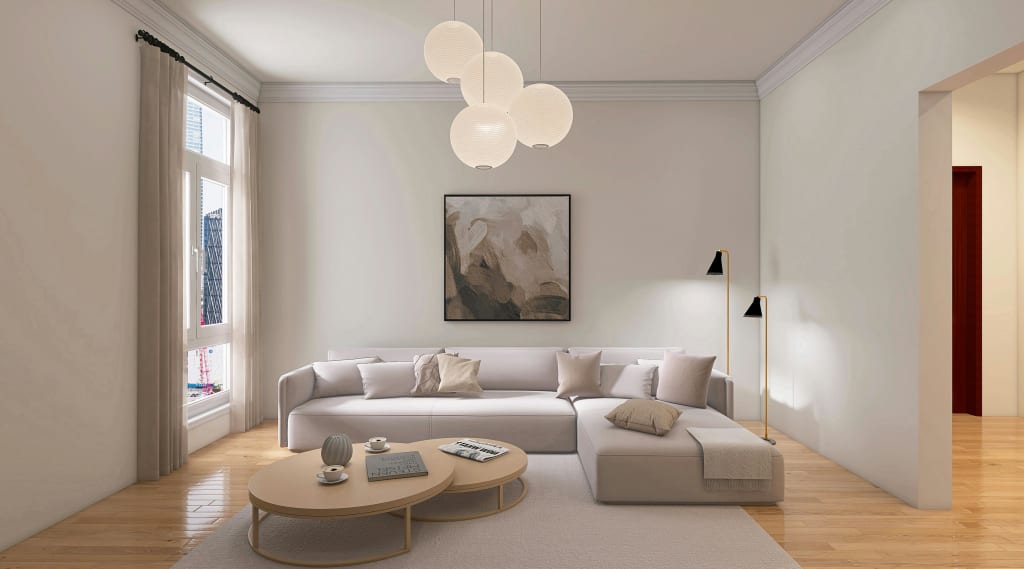
Good interior design always starts with real life. Before choosing colours or furniture, it helps to think about how each room is used. Living rooms today are rarely just for guests. They are where people unwind after work, watch movies with family, entertain friends, or even work remotely. Bedrooms need to support rest and organisation, while kitchens have evolved into social spaces rather than purely functional ones.
Because homes need to serve multiple purposes, layouts should feel flexible rather than rigid. Open-plan designs are popular for this reason. They create a sense of openness and allow spaces to adapt throughout the day. The key is to guide movement and usage without relying on walls. Furniture placement, lighting, and flooring changes can subtly define zones while keeping the overall layout open and connected.
Making Open Spaces Feel Intentional
One challenge with open layouts is avoiding a space that feels undefined or messy. This is where thoughtful furniture choices make a real difference. A sofa can anchor the living area, while rugs visually separate seating from dining. Lighting also plays a role, with pendant lights over dining areas and softer lighting in lounge spaces.
In many homes, a bar table works well as a natural transition between the kitchen and living area. It creates a clear boundary without blocking sightlines, and it adds flexibility. Depending on the time of day, it can be used for quick meals, casual conversations, or even as a temporary workspace. Small design decisions like this help open-plan homes feel purposeful instead of unfinished.
Choosing Furniture That Fits Your Life, Not Just the Room
Furniture should be chosen based on how it will be used, not just how it looks in photos. Oversized pieces can quickly dominate a space, while poorly scaled furniture can make rooms feel awkward or cramped. In modern homes, clean lines and balanced proportions tend to work best, especially in shared living areas.
Practicality matters just as much as style. Materials that are easy to clean and maintain are better suited for everyday living, particularly in warm and humid environments. Breathable fabrics, durable surfaces, and finishes that age well will save time and effort in the long run. Storage is another key consideration. Furniture that incorporates hidden storage helps keep homes organised without adding visual clutter.
Many homeowners now prefer browsing through an online furniture shop in Singapore to explore options at their own pace. Being able to check dimensions, materials, and layout compatibility before buying makes it easier to choose furniture that truly fits both the space and lifestyle.
Using Materials and Textures to Add Warmth
Modern interiors can sometimes feel too sleek or impersonal if materials are not carefully balanced. This is where texture becomes important. Natural elements like wood, fabric, and stone add warmth and depth, making a home feel lived-in rather than overly styled. These materials also soften clean lines and neutral colour palettes.
Glass and metal elements, when used in moderation, bring a contemporary edge without overwhelming the space. The goal is balance. A mix of smooth and textured surfaces creates visual interest and makes rooms feel more inviting.
Lighting That Changes With Your Day
Lighting is often underestimated, yet it has one of the biggest impacts on how a home feels. A single overhead light is rarely enough. Layered lighting creates flexibility and comfort. Ambient lighting provides overall brightness, task lighting supports specific activities, and accent lighting highlights architectural or design features.
Natural light should be maximised whenever possible. Light-filtering curtains, reflective surfaces, and thoughtful furniture placement help make the most of daylight. In the evenings, warmer lighting tones can transform the mood of a space, making it feel calm and relaxing after a long day.
Designing for the Long Term
Trends come and go, but a well-designed home should last. Instead of following every new style, it is often better to build a neutral foundation and introduce personality through smaller elements like cushions, artwork, or accessories. This approach makes it easier to refresh a space without starting from scratch.
Ultimately, successful house interior design is about creating a home that works for you. It should support your routines, reflect your personality, and adapt as your needs change. When design decisions are guided by real life rather than trends, the result is a home that feels comfortable, practical, and genuinely yours.
About the Creator
How a Travel Companion Can Reduce Stress and Improve Mobility
Navigating unfamiliar routes, managing schedules, and maintaining safety can turn a simple trip into a challenge. This is where a travel companion makes a real difference. For seniors, having a travel companion elderly ensures that travel is not only enjoyable but also safe, comfortable, and stress-free.
By Lola Gold Finch4 days ago in Lifehack
The Invisible Scar: Navigating Life and Love After Infidelity
Late one evening, I received a call from a close friend. Through muffled sobs, she shared the news that has become an all-too-familiar ghost in modern relationships: "He’s been cheating. I checked his phone... it’s been going on for six months."
By Elena Vance about 3 hours ago in Lifehack
One Unchecked Box
"Republished" because it was the only way to add the embed for the newly recorded audio version of this story due to the Top Story badge. Plus it serves as a nice, informal announcement of the podcast's revival for another season (go subscribe!):
By Stephen A. Roddewig6 days ago in Fiction


Comments
There are no comments for this story
Be the first to respond and start the conversation.