
Bird Flu Pandemic
Unraveling the Threat of avian influenza and its Global implications

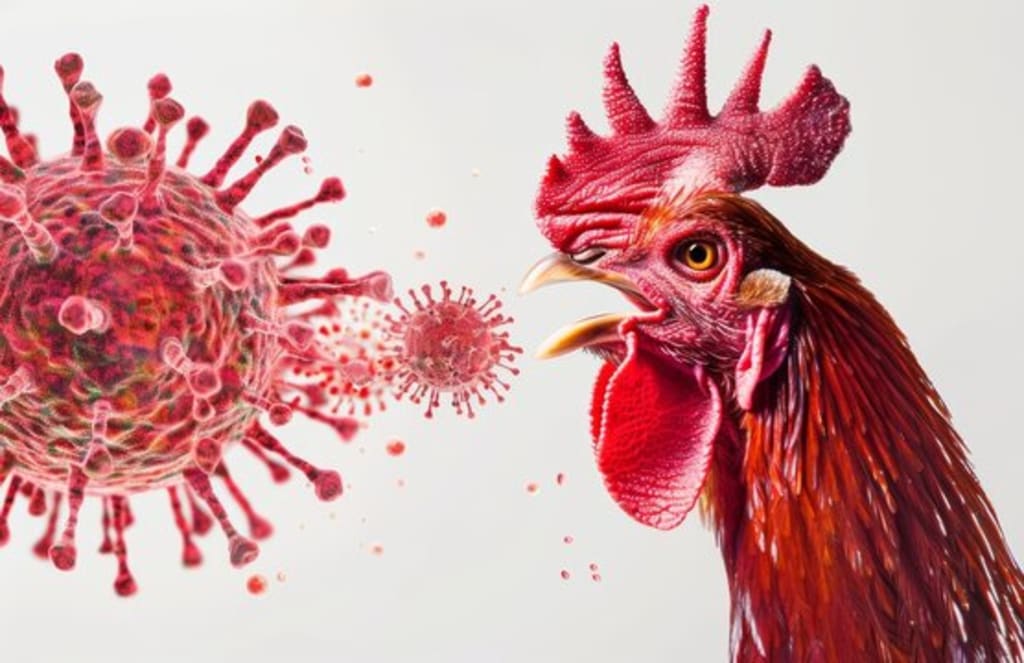
Introduction
- Brief overview of bird flu (avian influenza)
- Importance of understanding the pandemic potential
What is Bird Flu?
Definition and origin
- Different strains of the virus (H5N1, H7N9, etc.)
- How it spreads (birds to birds, birds to humans)
History of Bird Flu Outbreaks
First known outbreaks
- Significant outbreaks (1997, 2003, and recent events)
- Key statistics and impact
- Symptoms and Effects of Bird Flu
Symptoms in birds
- Symptoms in humans
- Complications and risks (severe respiratory illness, high fatality rate)
Transmission and Risks
- How the virus spreads (direct contact, contaminated surfaces)
- Risk factors for humans (occupational, exposure to live birds)
- Zoonotic potential and the risk of human-to-human transmission
Global Response and Preventive Measures
- International monitoring (WHO, CDC involvement)
- Quarantine and culling strategies
- Vaccination and antiviral drugs
- Public health campaigns and awareness
Economic and Social Impact of Bird Flu
- Impact on poultry industry
- Economic consequences of culling and trade restrictions
- Social consequences (fear, stigma, misinformation)
Challenges and Future Preparedness
- Issues in surveillance and early detection
- Challenges in vaccine development
- Strategies for pandemic preparedness
Conclusion
- Summary of the key points
- Importance of global cooperation and vigilance
Let’s begin!
Bird Flu Pandemic: Understanding a Looming Global Threat
Introduction
Bird flu, also known as avian influenza, is a type of viral infection that primarily affects birds but has the potential to infect humans, posing a serious threat to global health. Unlike the seasonal flu, bird flu has a much higher mortality rate and, if it mutates to allow sustained human-to-human transmission, could trigger a catastrophic pandemic. In a world still recovering from the effects of COVID-19, understanding the risks and impact of a potential bird flu pandemic is crucial. This article delves into the origins, history, symptoms, transmission, and the global response to bird flu, highlighting the ongoing efforts to prevent a future pandemic.
What is Bird Flu?
Bird flu, or avian influenza, is caused by influenza viruses that occur naturally among wild aquatic birds and can infect domestic poultry and other bird species. There are several strains of avian influenza, but not all are dangerous. However, certain highly pathogenic avian influenza (HPAI) strains, such as H5N1 and H7N9, are particularly deadly and have caused severe outbreaks in birds, as well as significant illness in humans.
Key Strains of Bird Flu
- H5N1: One of the most infamous strains, first detected in Hong Kong in 1997. It is highly pathogenic and has a high mortality rate in both birds and humans.
- H7N9: Emerged in China in 2013, this strain has been associated with severe respiratory illness in humans and has shown the ability to infect without causing symptoms in poultry, making it difficult to control.
The avian influenza virus is classified based on the proteins found on its surface: hemagglutinin (H) and neuraminidase (N). These proteins determine the subtype of the virus, such as H5N1 or H7N9.
History of Bird Flu Outbreaks
The first major outbreak of bird flu in humans was recorded in 1997 in Hong Kong, where H5N1 infected 18 people, causing six deaths. The outbreak led to the culling of about 1.5 million poultry to contain the virus. Since then, bird flu has periodically re-emerged, with significant outbreaks in 2003 and beyond.
Significant Bird Flu Outbreaks:
- 1997 (Hong Kong): The H5N1 strain infected humans for the first time, signaling a potential zoonotic threat.
- 2003–2004 (Asia): A major outbreak of H5N1 spread across multiple countries, causing widespread panic and economic damage due to mass culling of poultry.
- 2013 (China): The H7N9 strain emerged, infecting humans with severe respiratory illness. By 2017, there were over 1,500 confirmed cases, with a mortality rate of around 40%.
These outbreaks highlighted the virus's ability to jump from birds to humans, raising concerns about its potential to mutate into a form that could spread easily between people.
Symptoms and Effects of Bird Flu
Bird flu symptoms vary between birds and humans, but the consequences can be severe.
In Birds:
- Sudden death without any warning signs
- Swollen head, neck, and eyes
- Loss of appetite and reduced egg production
- Respiratory distress, coughing, and sneezing
In Humans:
- Fever and cough
- Sore throat and muscle aches
- Severe respiratory illness, including pneumonia
- Multi-organ failure and, in severe cases, death
The high mortality rate of bird flu in humans (often above 50%) makes it far more deadly than typical seasonal influenza. While bird flu is not easily transmissible between humans, the risk of mutation remains a significant concern.
Transmission and Risks
Bird flu primarily spreads through direct contact with infected birds, their droppings, or contaminated surfaces. People who work closely with poultry, such as farmers and live bird market workers, are at the highest risk of infection.
Risk Factors:
- Direct Contact: Handling infected birds, cleaning their cages, or being exposed to bird droppings.
- Indirect Contact: Touching surfaces contaminated by the virus, such as farm equipment or market stalls.
- Consumption: Eating undercooked poultry products, although this is a less common transmission route.
While human-to-human transmission is rare, instances of close family members becoming infected suggest that limited transmission can occur, raising concerns about a potential mutation that could enable wider spread.
Global Response and Preventive Measures
In response to the threat of bird flu, organizations like the World Health Organization (WHO) and the Centers for Disease Control and Prevention (CDC) have established monitoring systems to track outbreaks and assess risks. Control measures focus on preventing transmission from birds to humans and include:
Quarantine and Culling
- Infected and exposed poultry are culled to prevent the virus from spreading.
- Quarantine measures are imposed on farms and affected areas.
Vaccination and Antiviral Drugs
- Vaccines for poultry have been developed to prevent large-scale outbreaks.
- Antiviral drugs like oseltamivir (Tamiflu) can help reduce the severity of the illness in humans if administered early.
Public Awareness
- Educating the public on proper food handling and cooking practices.
- Informing high-risk groups about preventive measures and symptoms to watch for.
Economic and Social Impact of Bird Flu
The bird flu pandemic has far-reaching consequences beyond health. The poultry industry suffers significant losses due to mass culling and trade restrictions, impacting food supply and economies, particularly in developing countries where poultry farming is a major livelihood.
Economic Impact:
- Losses in the poultry industry due to culling and trade bans.
- Higher prices for poultry products, affecting both consumers and producers.
Social Consequences:
- Fear and stigma associated with poultry products, leading to changes in consumer behavior.
- Misinformation and panic, exacerbated by sensational media reports.
Challenges and Future Preparedness
The main challenge in preventing a bird flu pandemic lies in its unpredictable nature. The virus’s ability to mutate and adapt makes it difficult to develop effective vaccines. Surveillance systems in many parts of the world are inadequate, allowing outbreaks to go undetected until they become widespread.
Key Challenges:
- Surveillance: Inadequate monitoring of wild birds and poultry.
- Vaccine Development: Difficulty in predicting which strain will cause the next outbreak.
- Public Health Infrastructure: Limited resources in developing countries to respond effectively.
Future Strategies:
- Strengthening global surveillance and reporting systems.
- Developing universal vaccines that can provide broader protection against multiple strains.
- Enhancing international cooperation for a coordinated response to outbreaks.
Conclusion
The threat of a bird flu pandemic looms large, especially as the world becomes more interconnected. While significant progress has been made in monitoring and controlling outbreaks, the risk of a major pandemic remains. The key to preventing such an event lies in early detection, rapid response, and global collaboration. As we continue to deal with emerging infectious diseases, the lessons learned from past bird flu outbreaks serve as a stark reminder of the importance of preparedness and vigilance in safeguarding public health.
About the Creator
Voice & Wonder
With five years of experience in the world of writing, I specialize in crafting captivating novels, spine-chilling horror stories, and engaging content for magazines.
Keep reading
More stories from Voice & Wonder and writers in Lifehack and other communities.
Embrace Yourself, and watch Life align Effortlessly
In a world that tells us to be perfect at all times, finding acceptance within ourselves can be an act of rebellion. But accepting ourselves as we really are is a key element in finding inner peace and living side by side in outward harmony. Self-acceptance is not … it’s not complacency … it’s about recognizing our strengths, our flaws, our in-betweens. It’s about moving into our true selves, and letting life fall into place around us. This article explores the lens of self-acceptance and self-love through the psychological, emotional, and neurobiological impact it has on us—specifically how radically embracing ourselves can change our lives forever.
By Voice & Wonderabout a year ago in Motivation
Building a New Life After Moving to Harrisburg
When I decided to move to Harrisburg, Pennsylvania, I expected the experience to be mostly practical. I imagined a process defined by logistics, schedules, and organization. I prepared for physical effort, planning, and adjustment to a new environment. What I did not anticipate was how deeply the experience would reshape my understanding of stability, identity, and the meaning of home.
By House Doctor4 days ago in Lifehack
At My Wits’ End
Life is about taking out the trash and calling it trash because you have every reason to. It wasn't meant to be linear, they say. But the times you tried to make it straight led to problems, and you didn’t have the tools to put any of it to use. You don't put your right shoes on the right feet; you put the left shoes on the left feet. The grey hardened slab will trip you up anyway.
By Caitlin Charlton2 days ago in Humans




Comments
There are no comments for this story
Be the first to respond and start the conversation.