
World Reacts to Eruption of Fighting Between Pakistan and Afghanistan
Cross-Border Clashes Spark Global Alarm and Urgent Calls for Restraint
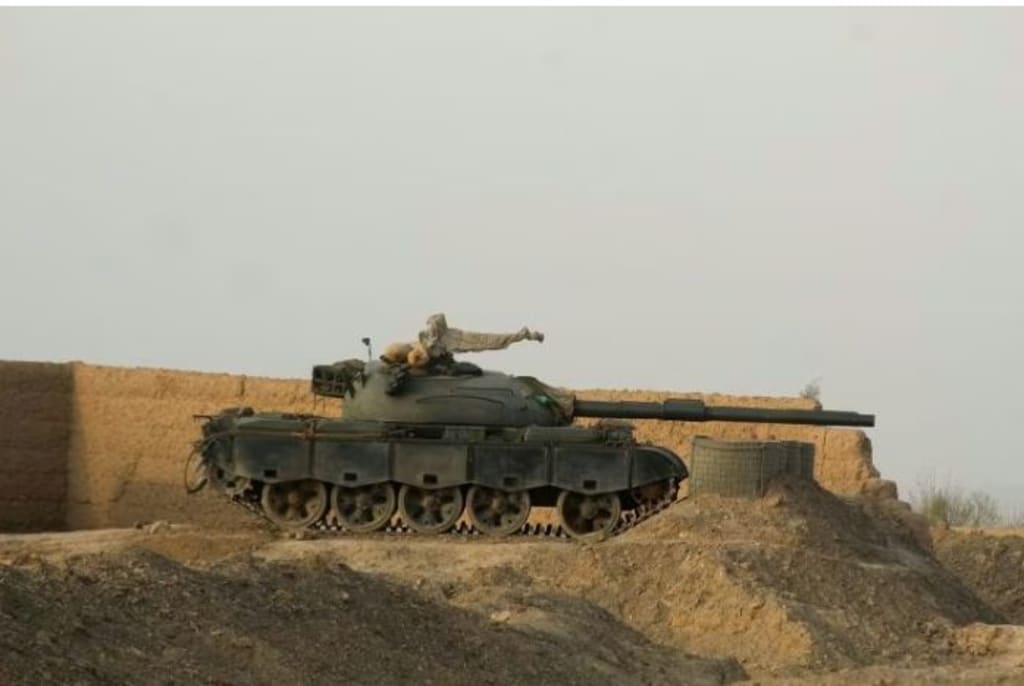
The violence has been concentrated along disputed frontier regions where tensions have simmered for years. Both sides have accused each other of initiating attacks, with officials trading blame over militant activity and border violations. Residents in affected areas describe scenes of panic as families flee villages, schools close, and humanitarian agencies scramble to respond.
The escalation underscores the long-standing challenges that define relations between the two neighbors — including border disputes, security concerns, and differing approaches to militant groups operating in the region.
Conflicting Narratives and Security Concerns
Authorities in Islamabad have argued that military operations were necessary to target armed groups allegedly launching attacks from Afghan territory. Meanwhile, officials in Kabul insist that Pakistani forces violated sovereignty, intensifying public anger inside Afghanistan.
At the center of the dispute are accusations involving the role of militant networks that operate across porous border areas. Pakistan has repeatedly demanded stronger action from Afghanistan’s ruling authorities, while Afghan leaders maintain that they are working to stabilize the country despite limited resources and international isolation.
Analysts say the situation reflects a broader dilemma: both countries face security threats from armed groups, yet mutual distrust often prevents coordinated solutions.
Global Calls for Restraint
The international reaction was swift. The United Nations urged immediate de-escalation and dialogue, warning that continued fighting could worsen humanitarian conditions and destabilize the wider region. Human rights organizations echoed these concerns, highlighting risks to civilians caught near conflict zones.
Major powers also weighed in. The United States called for both sides to avoid further military escalation and emphasized the importance of diplomatic channels. Officials stressed that stability between Pakistan and Afghanistan is critical for counterterrorism efforts and regional economic cooperation.
Similarly, China — which maintains strategic ties with Pakistan and growing interests in Afghanistan — encouraged calm, offering to support dialogue. Beijing’s statement reflects its concern that instability could disrupt infrastructure projects and trade corridors.
Regional Implications
Neighboring countries are watching closely. India has historically monitored developments between Pakistan and Afghanistan due to the broader geopolitical implications. While New Delhi has not taken a direct role, analysts say any prolonged conflict could reshape regional security calculations.
Meanwhile, Russia has expressed concern over the potential spread of instability into Central Asia, where Moscow maintains security partnerships. Russian officials emphasized the need for coordinated international efforts to prevent militant groups from exploiting the unrest.
The European Union also issued a statement urging restraint and humanitarian access, reflecting growing fears that renewed violence could worsen migration pressures and economic challenges.
The Role of Afghanistan’s Leadership
Much of the international focus has turned toward Afghanistan’s governing authorities, particularly the Taliban, which faces the difficult task of managing security while navigating strained relations with neighboring countries. Since taking power, the group has sought recognition and economic engagement but continues to face skepticism from many governments.
The current clashes highlight the complexity of Afghanistan’s position: balancing domestic security, international expectations, and sensitive border dynamics with Pakistan — a country that historically played a significant role in Afghan affairs.
Experts say the Taliban’s response to cross-border tensions could influence its diplomatic standing and prospects for broader international cooperation.
Humanitarian Fallout
Beyond geopolitics, the immediate impact has been felt by civilians. Aid agencies report displacement, shortages of basic supplies, and growing anxiety among communities living near the border. Health facilities in some areas are struggling to cope with casualties, while infrastructure damage threatens long-term recovery.
Humanitarian groups warn that even short periods of fighting can have lasting consequences, particularly in regions already facing poverty, limited healthcare, and climate-related challenges. The possibility of recurring clashes raises concerns about chronic instability that could hinder development for years.
Risks of Escalation
Security analysts caution that border incidents between Pakistan and Afghanistan have historically flared up quickly due to miscommunication, militant activity, and domestic political pressures. The danger lies not only in sustained military engagement but also in the erosion of trust, which makes crisis management more difficult.
If diplomatic channels fail, repeated clashes could encourage armed groups to exploit tensions, complicating counterterrorism efforts and undermining regional cooperation initiatives.
Economic projects linking Central and South Asia could also face delays, affecting trade routes, energy plans, and infrastructure investments that depend on stability.
Diplomatic Path Forward
Despite the seriousness of the situation, many observers believe diplomacy remains the most viable path forward. Track-two discussions, military hotlines, and regional mediation have helped defuse tensions in the past. Renewed engagement — possibly supported by international partners — could help address immediate security concerns while opening space for longer-term solutions.
Confidence-building measures, clearer border coordination, and cooperation against militant networks are frequently cited as key steps to prevent recurring crises.
A Test for Regional Stability
The eruption of fighting between Pakistan and Afghanistan serves as a reminder of how quickly localized tensions can draw global attention. For the international community, the priority is preventing escalation while supporting humanitarian relief and encouraging dialogue.
For both countries, the moment represents a test of leadership and diplomacy. Managing security threats without triggering broader conflict will require restraint, communication, and sustained engagement.
As the world watches closely, the coming weeks may determine whether the clashes remain a temporary flare-up — or evolve into a deeper challenge for regional stability
About the Creator
Rethinking Healthcare Supply Chain Systems
Have you ever wondered how hospitals manage to provide the right medications, equipment, and supplies exactly when patients need them? Behind every successful treatment lies a carefully coordinated system known as supply chain management for healthcare organizations. This system ensures that essential resources move smoothly from manufacturers to healthcare facilities and ultimately to patients.
By Brady Beitlich4 days ago in Journal




Comments
There are no comments for this story
Be the first to respond and start the conversation.