
Why Comparing Yourself to Others Can Ruin Your Fitness Journey
Why Comparing Yourself to Others

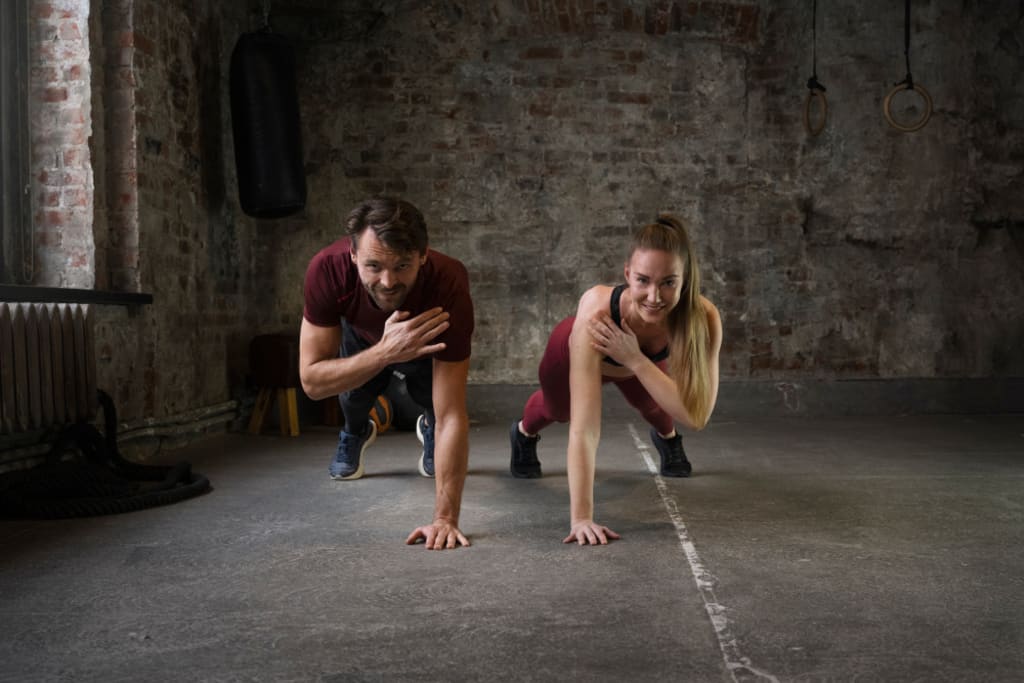
Starting a fitness journey often begins with excitement. Many people walk into a gym or join a new workout routine feeling motivated and ready to improve their health. However, as time goes on, one common habit begins to interfere with that motivation: comparing yourself to others.
Comparison happens almost automatically. You might see someone lifting heavier weights, running faster on the treadmill, or progressing quickly in their workouts. In group environments such as strength training classes, it can sometimes feel like everyone else is stronger or more experienced.
The truth is that every fitness journey starts at a different point.
Some people have been exercising for years, while others may be stepping into a gym for the very first time. Age, lifestyle, sleep, diet, and previous injuries can all influence how quickly someone progresses. Because of these differences, comparing your progress to someone else's rarely gives an accurate picture of your own achievements.
Social media can also make comparison worse. Many fitness influencers share impressive results or intense workout routines, but these posts usually highlight only the best moments. The months or years of gradual effort behind those results are rarely visible.
This can create unrealistic expectations. People may start believing they should achieve dramatic results in a short period of time. When progress feels slower than expected, frustration can replace motivation.
A better approach is to focus on personal improvement instead of competition.
Fitness works best when it becomes a sustainable habit. Small improvements, such as lifting slightly heavier weights, completing one extra repetition, or feeling more energetic after workouts, are all meaningful signs of progress. Over time, these small changes add up to significant results.
For many women, supportive workout environments can make a major difference. A structured fitness program for women often focuses on building confidence, strength, and consistency rather than comparing performance with others. These programs usually emphasize proper technique, gradual progression, and a welcoming atmosphere where participants feel comfortable learning at their own pace.
Another helpful strategy is tracking personal progress. Keeping a record of workouts, strength levels, or endurance improvements allows you to see how far you have come. This can be far more motivating than measuring success against someone else's routine.
It is also important to remember the original reason for starting a fitness journey. Most people begin exercising because they want to feel healthier, stronger, or more confident. Those goals are deeply personal and cannot be measured by someone else's achievements.
Fitness communities that focus on encouragement rather than competition often help people stay consistent. When individuals feel supported and motivated, they are more likely to continue exercising and enjoying the process.
Ultimately, the most meaningful competition in fitness is not with the person next to you in the gym. It is with the version of yourself from yesterday.
Progress may not always happen quickly, but with patience and consistency, the results become clear. By focusing on your own improvements instead of comparing them with others, fitness can become a positive and rewarding part of everyday life.
In the long run, success in fitness comes from persistence, self-awareness, and the willingness to keep moving forward at your own pace.
About the Creator
Sarah
With an experience of 10 years into blogging I have realised that writing is not just stitching words. It's about connecting the dots of millions & millions of unspoken words in the most creative manner possible.
Yoan Iglev Reveals the Influence of Classical Art in Contemporary Murals
Public art has the ability to change how people experience a city. Large murals on walls can turn simple buildings into meaningful cultural spaces. One artist who has contributed to this form of art is Yoan Iglev, a Bulgarian painter known for creating monumental murals and artistic mosaics.
By Mark Walker6 days ago in Journal




Comments
There are no comments for this story
Be the first to respond and start the conversation.