
Washington Post Editor Acknowledges ‘Genuine Trauma’ Over Mass Layoffs
Inside the newsroom shake-up that’s leaving journalists shaken, uncertain, and emotionally exhausted.

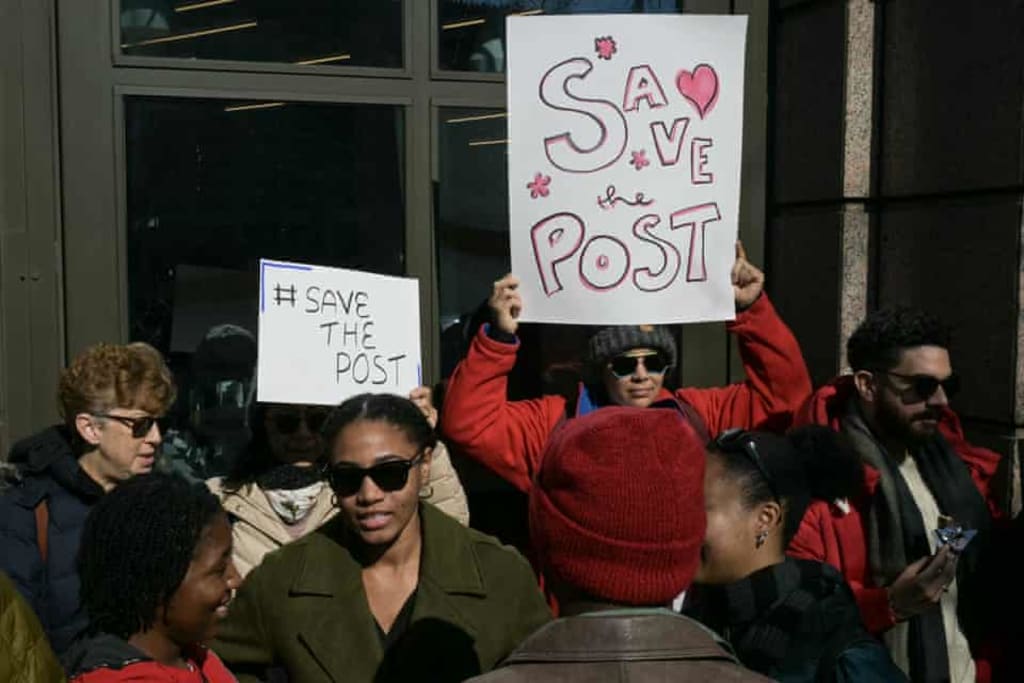
AThe Washington Post has long been seen as one of America’s most respected news institutions—an outlet known for holding power accountable and producing journalism that shapes national conversations. But behind the headlines it publishes daily, the organization itself is now facing a crisis that’s hitting much closer to home.
Following a wave of mass layoffs, a senior Washington Post editor reportedly acknowledged the “genuine trauma” employees are experiencing, a rare and striking admission that highlights the emotional toll of job cuts inside a newsroom.
The statement has resonated far beyond the Post’s walls, reflecting a growing reality across the media industry: layoffs aren’t just financial decisions. They create long-lasting psychological effects on staff, even those who remain employed.
A Newsroom Known for Strength—Now Feeling Vulnerable
For decades, journalists at The Washington Post have covered some of the most intense stories imaginable: war, disasters, corruption, crime, and political upheaval. They are trained to stay calm, gather facts, and report under pressure.
But mass layoffs create a different kind of crisis—one that is internal, personal, and impossible to “report from a distance.”
When a newsroom experiences widespread job cuts, it doesn’t just lose staff. It loses:
friendships built over years
trusted collaboration
institutional memory
confidence in the future
a sense of safety
Even the most seasoned journalists can feel destabilized when the place they’ve poured their lives into suddenly becomes uncertain.
That is why the editor’s use of the phrase “genuine trauma” has drawn attention. It suggests leadership recognizes that the emotional damage is real, not exaggerated.
Why Media Layoffs Hurt Differently
Layoffs are painful in any industry. But in journalism, they often hit harder for several reasons.
1. Journalism Is Mission-Driven Work
Most reporters and editors don’t enter journalism for money. They enter it because they believe in truth, public service, and accountability.
So when layoffs happen, it doesn’t just feel like losing a job—it can feel like losing a calling.
2. Newsrooms Are Tight Communities
Unlike many corporate workplaces, newsrooms are highly collaborative. People work late nights together, cover breaking news together, and often become like family.
When layoffs happen, employees don’t just lose coworkers. They lose the people they rely on emotionally and professionally.
3. The Workload Doesn’t Shrink
When staff is reduced, the demand for news coverage remains. This means the remaining employees often face:
more pressure
heavier workloads
faster deadlines
fewer resources
increased burnout
So even those who keep their jobs feel the weight of the cuts daily.
The Editor’s Statement: A Rare Moment of Honesty
In many organizations, leadership communications during layoffs tend to sound polished, corporate, and emotionally distant.
That’s why the Washington Post editor’s acknowledgment stood out.
Calling the situation “genuine trauma” signals that leadership understands the layoff impact isn’t just about numbers or restructuring. It’s about people—real human beings—who now feel grief, anxiety, and fear.
This type of language is rare in corporate America. But in a newsroom environment, it may be necessary.
Because journalists are not immune to emotional stress. If anything, they’re often expected to absorb stress constantly, and layoffs push that stress into personal territory.
A Media Industry Under Financial Pressure
The Washington Post’s layoffs are part of a larger media trend.
Across the industry, major news organizations have struggled with:
declining digital ad revenue
shrinking subscriptions
competition from social media
AI-generated content flooding the internet
changing consumer habits
Even prestigious outlets are not protected.
In recent years, layoffs have affected:
local newspapers
major digital outlets
TV news divisions
global media brands
The financial model of journalism is still unstable, and the pressure is forcing many organizations to cut costs—often through staff reductions.
The Emotional Fallout: What “Trauma” Looks Like at Work
When a newsroom goes through mass layoffs, the trauma isn’t always visible on the surface. People still show up. Articles still get published. Deadlines still happen.
But internally, employees often experience:
Survivor’s Guilt
Many workers who remain employed feel guilt for keeping their jobs while colleagues lose theirs.
Constant Anxiety
Employees begin to fear they’re next. Even small changes—like meeting invites or organizational updates—can trigger panic.
Loss of Trust
When layoffs happen suddenly, employees often stop trusting leadership. They begin questioning every decision and statement.
Burnout
Fewer people are expected to produce the same output. That creates exhaustion and emotional numbness.
Grief
Yes, grief. Because for many journalists, the newsroom isn’t just a workplace—it’s an identity.
What This Means for The Washington Post’s Journalism
Beyond the emotional impact, layoffs also raise practical concerns about quality.
When experienced staff leave, newsrooms lose:
beat expertise
source relationships
investigative depth
editing strength
long-term project capacity
The Washington Post has built its reputation on deep reporting and investigative work. Maintaining that standard becomes more difficult when teams shrink.
This creates a dangerous cycle: fewer staff leads to less output or weaker coverage, which can reduce subscriptions, leading to more cuts.
A Shift in Newsroom Culture
Mass layoffs also change culture.
Newsrooms often shift from energetic and collaborative environments into spaces filled with uncertainty. People may become more cautious, less creative, and less willing to take risks.
Instead of thinking about big investigative projects, journalists begin focusing on survival:
“How do I keep my job?”
“Should I start applying elsewhere?”
“Is journalism still worth it?”
This is the hidden cost of layoffs—one that doesn’t appear on a balance sheet but deeply affects long-term performance.
Why The Editor’s Words Matter
Acknowledging trauma doesn’t fix layoffs. But it does something important: it validates the emotional reality employees are living through.
In moments like this, staff often want:
honesty
empathy
clarity about what comes next
reassurance that their work still matters
The editor’s statement may not undo the layoffs, but it signals that leadership understands the human cost.
And in a workplace built around communication, words matter.
Final Thoughts: Journalism’s Hardest Story Is Becoming Its Own
The Washington Post editor’s acknowledgment of “genuine trauma” after mass layoffs is a reminder that even the most respected institutions are struggling in today’s media economy.
Newsrooms are built to report on trauma happening in the world. But now, many are experiencing trauma internally—through layoffs, uncertainty, and the fear of collapse.
For the journalists who remain, the challenge is not just continuing to produce quality reporting. It’s doing so while carrying grief, anxiety, and the emotional weight of seeing their newsroom reshaped.
The Washington Post may continue to publish strong journalism. But this moment shows that behind the bylines, the people who write the news are fighting their own battle—one that deserves attention too.
About the Creator
Asad Ali
I'm Asad Ali, a passionate blogger with 3 years of experience creating engaging and informative content across various niches. I specialize in crafting SEO-friendly articles that drive traffic and deliver value to readers.




Comments
There are no comments for this story
Be the first to respond and start the conversation.