
US Says It Destroyed Iranian Naval Ships and Minelayers Near the Strait of Hormuz
Strategic Waterway at the Heart of Rising U.S.–Iran Military Tensions

Tensions in the Middle East have escalated further after the United States announced that its military forces destroyed several Iranian naval vessels and mine-laying boats operating near the vital shipping corridor of the Strait of Hormuz. The development marks one of the most significant naval confrontations between the U.S. and Iran in recent years and highlights the growing risks surrounding global energy supply routes.
According to U.S. defense officials, the targeted vessels were allegedly preparing to deploy naval mines in the narrow waterway. Such mines could threaten commercial shipping and military vessels passing through one of the most strategically important maritime passages in the world.
The incident underscores how quickly tensions can escalate in a region already facing political rivalries, economic sanctions, and military confrontations.
A Critical Maritime Chokepoint
The Strait of Hormuz is often described as the most important oil transit route on Earth. Located between Iran and the Gulf states, the narrow channel connects the Persian Gulf with the Gulf of Oman and the Arabian Sea.
Each day, millions of barrels of oil travel through this waterway, making it essential to global energy markets. Even minor disruptions in the area can cause oil prices to spike and trigger economic concerns across the world.
Because of its strategic importance, the United States and its allies maintain a strong naval presence in the region to ensure the safe passage of commercial ships.
Iran, however, has long viewed foreign military activity in the area as a threat to its national security. The result has been decades of tension and occasional naval confrontations.
The Operation That Targeted Iranian Vessels
According to U.S. military officials, surveillance systems detected Iranian naval vessels suspected of preparing to deploy sea mines in the shipping lanes of the Strait of Hormuz.
Naval mines are among the most dangerous maritime weapons because they can disable or sink large ships without warning. Even a small number of mines could shut down shipping traffic through the strait.
U.S. forces responded quickly. Warships and aircraft operating in the region reportedly targeted and destroyed several vessels identified as Iranian naval ships and minelayers.
Officials said the operation was conducted to prevent a potential threat to international shipping and maintain stability in the region.
Although the United States described the action as defensive, the move represents a significant escalation in naval tensions between the two countries.
Iran’s Naval Strategy in the Persian Gulf
Iran’s naval forces operate differently from many traditional navies.
Rather than relying primarily on large warships, Iran often uses smaller fast-attack boats, drones, coastal missile systems, and naval mines. This approach allows the country to challenge larger naval forces operating in the Persian Gulf.
The strategy is sometimes described as asymmetric warfare, where smaller, less expensive systems are used to counter powerful opponents.
Naval mines in particular are considered one of Iran’s most effective tools. If deployed in large numbers, they could disrupt shipping and force international naval forces to conduct time-consuming mine-clearing operations.
For this reason, reports of mine-laying activity near the Strait of Hormuz are taken extremely seriously by global naval powers.
Global Energy Markets Watching Closely
The confrontation has raised concerns among energy markets and global investors.
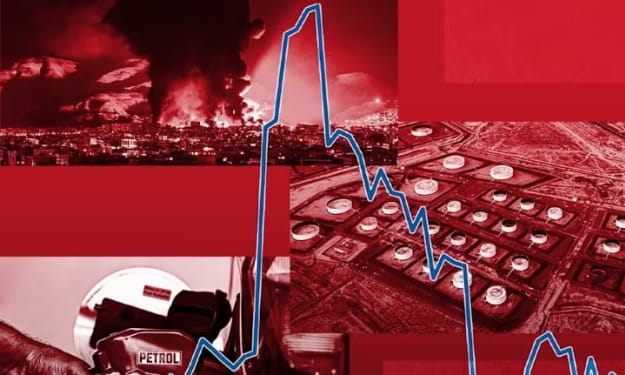
Because such a large share of the world’s oil exports passes through the Strait of Hormuz, any military activity in the region can influence global energy prices. Even the possibility of shipping disruptions can create volatility in oil markets.
Energy analysts warn that if tensions escalate further, insurance costs for shipping companies could increase dramatically. In extreme cases, shipping companies might avoid the region altogether, which could disrupt oil supplies to Asia, Europe, and other major markets.
This is why naval security in the area is considered critical not only for regional stability but also for the global economy.
A Long History of Naval Confrontations
The latest incident is not the first time tensions between Iran and the United States have played out in the waters of the Persian Gulf.
For decades, the region has experienced periodic confrontations involving naval patrols, drone surveillance, and tanker seizures. Both sides accuse the other of provocation.
The U.S. Navy frequently conducts freedom-of-navigation operations and escorts commercial ships through the Strait of Hormuz to ensure safe passage.
Iran, meanwhile, argues that foreign military forces operating close to its coastline increase the risk of conflict.
This ongoing standoff means that even small incidents can quickly escalate into larger confrontations.
Risks of Further Escalation
Military analysts say the destruction of Iranian vessels could lead to retaliation or increased military activity in the region.
Iran could respond through diplomatic channels, military demonstrations, or indirect actions carried out by allied groups in neighboring countries.
At the same time, the United States and its allies are likely to maintain heightened naval patrols to deter further attempts to disrupt shipping.
While neither side may want a full-scale naval war, the combination of political tensions and military deployments increases the risk of miscalculations.
In crowded waterways like the Strait of Hormuz, even a single misunderstanding could trigger a much larger conflict.
What Happens Next?
The future of the situation remains uncertain. Diplomatic negotiations, military deterrence, and international pressure will all influence how the crisis unfolds.
If tensions continue to rise, global powers and regional governments may push for dialogue to prevent further escalation.
At the same time, military forces in the region will remain on high alert to protect one of the world’s most vital shipping routes.
The Strait of Hormuz has long been a focal point of geopolitical competition, and the latest confrontation serves as another reminder of how fragile stability in the region can be.
As global markets watch closely and naval forces remain deployed, the world waits to see whether this incident will remain an isolated event—or become the beginning of a larger maritime conflict in the Middle East.
About the Creator
The Piggy Project
I’ve had so many names in this life I lose track of which ones were ever really mine and which ones I wore because someone needed me to. Some were handed to me before I had words to refuse them, before I knew what they meant, before I knew I could say no. Most weren’t meant to hurt. That doesn’t mean they didn’t leave marks. Marks that told me who I belong to, who I am by way of who claims me, recognizes me in the good and bad, who walks beside me.
By Fatal Serendipity6 days ago in Confessions



Comments
There are no comments for this story
Be the first to respond and start the conversation.