
United Kingdom Leather Goods Market Size and Forecast 2026–2034
Luxury heritage, sustainability innovation, and digital retail reshape the future of UK leather goods

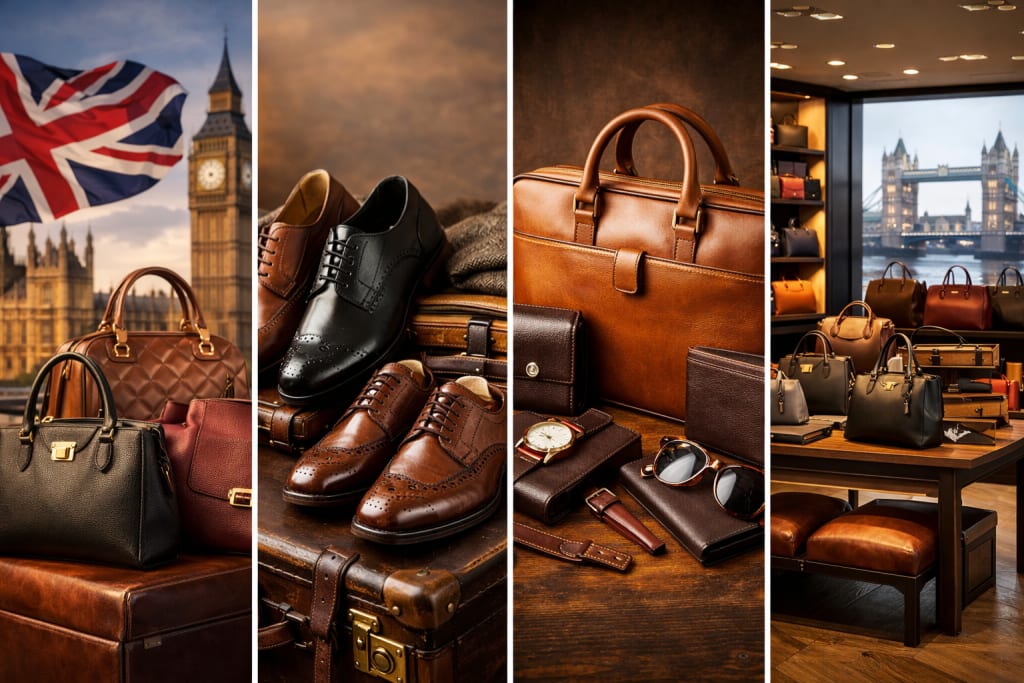
United Kingdom Leather Goods Market Overview
The United Kingdom leather goods market is poised for steady and resilient growth over the next decade, reflecting the country’s enduring fashion heritage and evolving consumer preferences. According to Renub Research, the market is anticipated to expand from US$ 9.70 billion in 2025 to US$ 15.44 billion by 2034, registering a compound annual growth rate (CAGR) of 5.30% during 2026–2034.
This growth trajectory is underpinned by increasing demand for luxury handbags, footwear, belts, luggage, and travel accessories, alongside rising disposable incomes and a strong presence of globally recognized fashion and leather brands. Sustainability-driven product innovation and the rapid expansion of online retail channels are further reshaping the competitive landscape across the UK.
Leather goods have long symbolized durability, craftsmanship, and prestige. In the UK, these attributes resonate strongly with consumers who value long-lasting fashion investments over short-term trends. From heritage brands to contemporary designers, leather continues to play a central role in British lifestyle, gifting culture, and professional attire.
United Kingdom Leather Goods Market Outlook
Leather goods are manufactured from tanned animal hides and are valued for their strength, flexibility, and natural aesthetic appeal. Common product categories include handbags, wallets, belts, footwear, jackets, luggage, and accessories such as watch straps and briefcases. Over time, leather develops a patina that enhances its appearance, making it particularly attractive to consumers seeking timeless elegance.
In the UK, the leather goods industry benefits from a well-established luxury retail ecosystem, a strong fashion identity, and consumer appreciation for premium craftsmanship. London, in particular, serves as a global fashion hub where heritage brands coexist with emerging designers. Growth in tourism, corporate gifting, and lifestyle spending continues to support steady demand.
At the same time, the market is evolving. Ethical sourcing, eco-friendly tanning methods, and vegan-inspired alternatives are influencing product development and brand positioning. Digital platforms and social commerce have further broadened market reach, allowing both established and independent brands to connect directly with UK consumers.
Growth Drivers in the United Kingdom Leather Goods Market
Strong Fashion Culture, Luxury Demand, and Brand Heritage
The UK’s deep-rooted fashion culture remains a primary growth driver for leather goods. British consumers associate leather products with status, sophistication, and long-term value, supporting consistent spending on premium accessories and footwear. Luxury leather sales also benefit significantly from inbound tourism, particularly in major cities.
Brand storytelling, celebrity endorsements, seasonal fashion cycles, and limited-edition launches continue to stimulate consumer interest. In May 2025, Von Baer launched its dedicated UK website to offer premium full-grain, vegetable-tanned Italian leather products directly to British consumers, reflecting growing demand for high-quality and sustainable luxury options.
Expansion of E-Commerce and Digital Retail Channels
E-commerce has become one of the most influential forces shaping the UK leather goods market. Consumers now enjoy easy access to domestic and international brands through brand websites, fashion marketplaces, and luxury e-commerce platforms.
Digital retail offers convenience, price transparency, detailed product information, and flexible return policies, boosting consumer confidence. Influencer marketing, social commerce, virtual try-on tools, and personalized recommendations increasingly guide purchasing decisions.
In November 2025, Lakeland Leather introduced a “Ship to Shop” option, allowing customers to collect online purchases from local points, highlighting how omnichannel innovation is enhancing customer experience while optimizing logistics.
Premiumization, Sustainability, and Customization Trends
UK consumers are increasingly prioritizing quality over quantity, driving demand for full-grain leather, handcrafted products, and premium collections. Sustainability has become equally important, with brands investing in responsible sourcing, chrome-free tanning, recycled packaging, and transparent supply chains.
Customization services—such as monogramming, bespoke sizing, and personalized designs—add perceived value and appeal strongly to younger consumers. In November 2024, UNCAGED Innovations introduced ELEVATE, a luxury bio-based leather alternative, signaling how sustainability innovation is reshaping premium leather offerings.
Challenges in the United Kingdom Leather Goods Market
Ethical, Environmental, and Regulatory Pressures
Environmental scrutiny poses a significant challenge for traditional leather manufacturing. Chemical-intensive tanning processes face stricter regulation related to pollution control, worker safety, and waste management. Compliance requires investment in cleaner technologies, increasing operational costs.
Consumer concerns around animal welfare, carbon footprint, and traceability further pressure brands to improve transparency. Failure to meet ethical expectations can damage brand reputation and weaken consumer trust, making sustainability alignment a strategic necessity rather than an option.
Competition from Synthetic Alternatives and Price Sensitivity
The growing popularity of synthetic and vegan leather alternatives presents strong competition. These materials are often cheaper, lightweight, and marketed as cruelty-free, appealing to price-sensitive and ethically conscious buyers.
Fast-fashion brands aggressively promote low-cost faux leather products, while fluctuations in raw leather prices squeeze margins for genuine leather producers. To remain competitive, traditional brands must emphasize craftsmanship, durability, and heritage-driven value propositions.
United Kingdom Leather Footwear Market
Leather footwear remains one of the most important segments within the UK leather goods market. Products include formal shoes, boots, casual wear, luxury dress shoes, and specialized work footwear. Consumers value leather footwear for its comfort, breathability, and longevity, especially in the UK’s varied climate.
Corporate offices, schools, and uniform-based professions sustain demand for formal leather shoes, while fashion trends support growth in designer sneakers and lifestyle footwear. Sustainability initiatives—such as eco-friendly tanning and recycled soles—are gaining traction, and online channels play a growing role in footwear sales.
United Kingdom Genuine Leather Goods Market
Genuine leather goods continue to command strong demand due to their authenticity, durability, and premium feel. Key products include handbags, wallets, belts, briefcases, travel accessories, and upholstery items.
Heritage brands emphasizing traditional craftsmanship enjoy high consumer trust. Corporate gifting and executive accessories further support demand. Despite competition from synthetic alternatives, many UK consumers prefer genuine leather for its long-term utility and classic aesthetic appeal.
United Kingdom Leather Premium Products Market
The premium leather goods segment targets affluent consumers seeking exclusivity and superior craftsmanship. High-end handbags, luxury footwear, premium luggage, and designer accessories dominate this category.
Strong brand heritage, limited editions, artisanal production, and sustainable luxury positioning drive demand. Sales are supported by flagship boutiques, department stores, airport duty-free outlets, and online luxury platforms. Even during economic fluctuations, this segment shows resilience due to brand loyalty and aspirational buying behavior.
United Kingdom Leather Goods Mass Products Market
Mass-market leather goods cater to budget-conscious consumers seeking functionality and style at affordable prices. Products include everyday handbags, wallets, belts, shoes, and travel accessories made from genuine or blended leather materials.
High-street retailers, supermarkets, discount stores, and fast-fashion outlets dominate distribution. While margins are thinner and price sensitivity is high, this segment contributes significantly to overall market volume and broad consumer adoption.
Distribution Channel Analysis
Department stores continue to play a vital role by offering premium, mid-range, and mass brands under one roof. Physical retail enables tactile inspection, personalized service, and brand discovery, particularly for luxury products.
Meanwhile, online stores represent the fastest-growing distribution channel, driven by convenience, competitive pricing, AI-enabled personalization, and efficient logistics. Omnichannel strategies such as click-and-collect further strengthen market reach.
Regional Market Insights
London leads the UK leather goods market, supported by luxury retail, tourism, flagship stores, and fashion events.
Manchester benefits from a young population, vibrant retail scene, and growing e-commerce infrastructure.
Liverpool sees steady growth driven by tourism, urban regeneration, and port-related trade.
Edinburgh focuses on premium, heritage-inspired leather goods, supported by international tourism and artisanal branding.
Market Segmentation
By Product: Footwear, Luggage, Accessories
By Material: Genuine Leather, Synthetic Leather
By Price: Premium Products, Mass Products
By Distribution Channel: Clothing & Sportswear Retailers, Departmental Stores, Supermarkets & Hypermarkets, Online Stores, Others
By Cities: London, Manchester, Birmingham, Leeds, Liverpool, Edinburgh, Glasgow, Tyneside, Bristol, Rest of UK
Competitive Landscape
Key companies analyzed with five viewpoints—overview, key personnel, recent developments, SWOT, and revenue analysis—include:
Adidas AG
American Leather Holdings LLC
Capri Holdings Limited
Hermès International S.A.
Kering S.A.
LVMH
Puma SE
Tapestry Inc.
VIP Industries
Woodland
Final Thoughts
The United Kingdom leather goods market stands at the intersection of tradition and transformation. While heritage craftsmanship and luxury appeal remain its foundation, sustainability innovation, digital retail, and evolving consumer values are redefining growth pathways. With steady demand across premium and mass segments, strong regional hubs, and expanding online channels, the market is well-positioned to achieve sustained expansion through 2034.
About the Creator
Sakshi Sharma
Content Writer with 7+ years of experience crafting SEO-driven blogs, web copy & research reports. Skilled in creating engaging, audience-focused content across diverse industries.
Keep reading
More stories from Sakshi Sharma and writers in Journal and other communities.
Global Books Market Size & Forecast 2025–2033: A Timeless Industry Reinventing Itself for the Digital Age
Introduction: The Enduring Power of Books in a Rapidly Changing World Books have shaped civilizations, preserved cultures, and passed knowledge from one generation to the next for centuries. Even in an age dominated by short-form videos, social media, and artificial intelligence, the written word continues to hold its ground. The global books market is no longer just about ink and paper—it is a diverse ecosystem that spans printed books, e-books, audiobooks, academic texts, and digital platforms, serving readers of every age and background.
By Sakshi Sharma2 days ago in Journal
Princess Beatrice’s Husband Spotted in Florida as Business Storms Brew Back
Edoardo “Edo” Mapelli Mozzi, the husband of Princess Beatrice, has been photographed in Florida — a seemingly laid‑back moment that arrives against a backdrop of renewed scrutiny of his business affairs and high‑profile royal family dynamics. The property developer’s U.S. presence — shared via social media posts — has caught public attention, as observers weigh personal travel, professional challenges and how the royal couple is navigating life outside of the formal spotlight.
By Salaar Jamali6 days ago in Journal
Off the Book
It ended like every other stupid idea. Badly, and alone. I’m researching digital confession ethics, he said. A tech ethicist. He gestured at floating data I couldn’t see then pulled out a physical notebook. Actual paper, fountain pen. He held it up like he was showing me scripture.
By Nicky Frankly4 days ago in Fiction


Comments
There are no comments for this story
Be the first to respond and start the conversation.