
Trump Says He Is ‘Not Happy’ With Iran Situation and Military Force Is Still an Option
The former U.S. president’s warning underscores escalating tensions over Iran’s nuclear program as diplomacy and deterrence once again collide on the global stage.
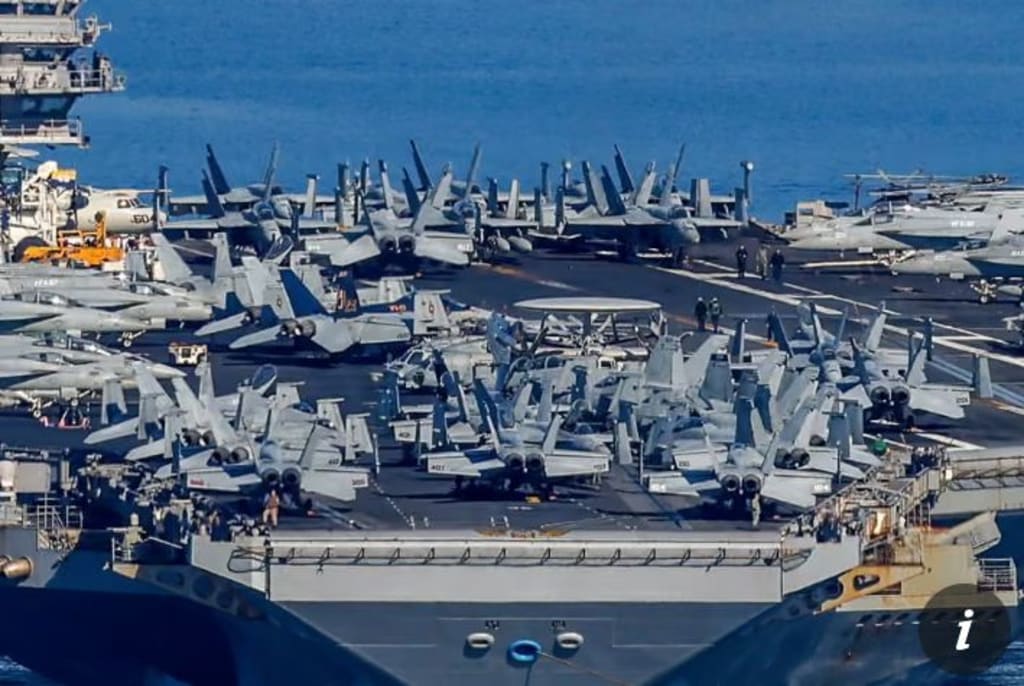
Trump’s comments, delivered during a public appearance and later reinforced in interviews, reflect a hardline stance that has defined his approach to Iran for years. While emphasizing that diplomacy is preferable, he signaled that the United States must keep all options on the table if talks fail or tensions escalate.
Renewed Focus on Nuclear Concerns
At the center of the dispute is Iran’s nuclear program, which Western governments fear could move closer to weapons capability if left unchecked. Tehran insists its nuclear development is intended for peaceful purposes, including energy production and scientific research.
The issue has been a persistent source of friction since the U.S. withdrew from the 2015 nuclear agreement, formally known as the Joint Comprehensive Plan of Action. That deal, negotiated between Iran and world powers, placed limits on nuclear activity in exchange for sanctions relief.
Trump’s administration exited the agreement, arguing it did not adequately restrict Iran’s long-term capabilities or regional influence. Since then, attempts to revive or replace the framework have faced repeated setbacks.
Military Force as a Strategic Signal
Trump’s statement that military action remains an option does not necessarily indicate imminent conflict, but it serves as a strategic signal. Political leaders often emphasize military readiness to strengthen negotiating positions and deter adversaries.
Supporters of a tougher stance argue that credible threats are necessary to prevent Iran from advancing its nuclear program. They believe diplomatic pressure alone may not produce meaningful concessions.
Critics, however, warn that escalating rhetoric risks miscalculation. The Middle East has experienced repeated cycles of tension in which aggressive messaging contributed to confrontations that neither side initially sought.
Regional Implications
Any shift in U.S.–Iran relations carries consequences across the broader Middle East. Iran maintains influence through allied groups and partnerships in several countries, meaning confrontation could affect multiple fronts simultaneously.
Security concerns are particularly pronounced for regional rivals such as Israel, which has consistently opposed Iran’s nuclear progress and advocated strong preventive measures. Israeli officials have long argued that a nuclear-capable Iran would reshape the region’s strategic balance.
Meanwhile, Gulf states balance caution with diplomacy, seeking stability while managing complex relationships with both Washington and Tehran.
Domestic Political Dimensions
Trump’s comments also intersect with U.S. domestic politics, where foreign policy often becomes a defining campaign issue. Positions on Iran frequently reflect broader debates about military intervention, diplomatic engagement, and America’s global role.
Supporters view Trump’s approach as decisive, emphasizing deterrence and pressure. Opponents argue that abandoning diplomatic agreements contributed to the current impasse and reduced transparency around Iran’s nuclear activities.
The debate illustrates a recurring challenge in U.S. foreign policy: how to maintain leverage without closing the door to negotiation.
Iran’s Response and Diplomatic Signals
Iranian officials typically respond to military threats by emphasizing national sovereignty and warning against external pressure. Tehran has repeatedly stated that it will not negotiate under coercion, framing its nuclear program as a matter of national pride and security.
At the same time, Iran has shown periodic openness to indirect talks, often mediated by European or regional partners. These diplomatic channels reflect recognition on all sides that sustained conflict carries significant risks.
Analysts note that rhetoric and diplomacy frequently move in parallel — strong public statements accompanied by quieter negotiation efforts.
The Role of the White House and Allies
U.S. policy toward Iran typically involves coordination with allies, particularly European governments that were part of the original nuclear deal. These partners often advocate a dual strategy combining pressure with diplomatic engagement.
Balancing these approaches is complex. Excessive pressure can harden positions, while insufficient leverage may reduce incentives for compromise. Trump’s comments underscore the continuing tension between these strategies.
International observers are watching closely for signals about whether rhetoric will translate into policy changes, including sanctions adjustments, military positioning, or renewed negotiations.
Risks of Escalation
Military confrontation between the United States and Iran would have far-reaching consequences, including potential disruption to global energy markets, regional instability, and humanitarian concerns.
Even limited incidents — such as attacks on shipping, cyber operations, or proxy clashes — can escalate rapidly. Past episodes demonstrate how quickly tensions can intensify when communication channels are strained.
For this reason, many analysts stress the importance of crisis management mechanisms that allow both sides to de-escalate when necessary.
A Strategic Crossroads
Trump’s remarks arrive at a moment when the future of Iran policy remains uncertain. Diplomatic efforts continue intermittently, yet trust between the parties remains low. Economic sanctions have strained Iran’s economy, while security concerns persist across the region.
The question facing policymakers is whether pressure will produce concessions or deepen resistance. History offers examples supporting both outcomes, making predictions difficult.
What is clear is that rhetoric matters. Statements about military options shape expectations, influence allies, and affect financial markets sensitive to geopolitical risk.
Looking Ahead
The path forward will likely involve a combination of diplomacy, deterrence, and strategic messaging. Neither Washington nor Tehran appears eager for direct conflict, but both seek leverage.
Trump’s warning that he is “not happy” with the situation reflects ongoing frustration shared by many policymakers who view the current stalemate as unsustainable. Whether that frustration leads to renewed negotiations or heightened confrontation remains uncertain.
For now, the statement reinforces a familiar reality in international politics: military force is often discussed even when diplomacy is still in motion.
As global attention returns to U.S.–Iran relations, the stakes extend beyond the two countries. The outcome will influence regional security, nuclear nonproliferation efforts, and the credibility of diplomatic agreements worldwide — making each statement, signal, and negotiation step part of a larger strategic story still unfolding.



Comments
There are no comments for this story
Be the first to respond and start the conversation.