
The U.S Presidential Election 2024
Comprehensive Analysis

Introduction
The 2024 U.S. presidential election is poised to be one of the most consequential in recent history, reflecting a nation grappling with deeply entrenched political divisions, pressing socio-economic issues, and transformative technological advancements. As the electoral landscape evolves, understanding the candidates, their platforms, and the broader implications of this election becomes essential for informed citizenship. This analysis aims to provide a thorough overview of the key elements shaping the 2024 election cycle.
Historical Context
The backdrop of the 2024 election cannot be divorced from the tumultuous political climate that has characterized American governance in recent years. The 2020 presidential election, marked by heightened polarization and an unprecedented global pandemic, set the stage for a reexamination of core American values and priorities. As a result, the 2024 election will be influenced not only by the outcomes of previous elections but also by ongoing socio-political movements and economic challenges.
The Candidates
As of now, the primary contenders for the presidency include incumbent President Joe Biden, who seeks re-election, and several challengers from both major political parties, as well as potential third-party candidates.
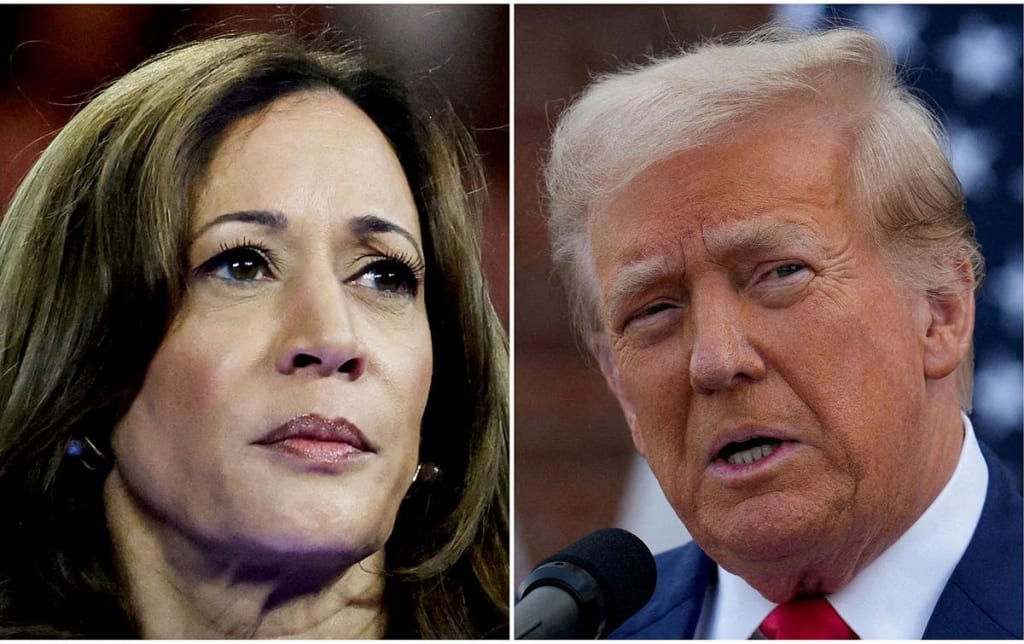
1. Joe Biden (Democrat): President Biden's administration has focused on a range of issues, including infrastructure development, climate change, healthcare reform, and social equity. His leadership style, which emphasizes bipartisanship, will be scrutinized as he navigates the complexities of seeking re-election amidst a divided electorate.
2. Donald Trump (Republican): The former president has maintained a significant following within the Republican Party, advocating for policies that resonate with his base. His candidacy raises questions about the future direction of the GOP and the potential for continued populism within American politics.
3. Challengers and Alternatives: Various candidates from both parties, including notable figures such as Nikki Haley, Ron DeSantis, and Marianne Williamson, are positioning themselves to capture the attention of voters disenchanted with the major party frontrunners. The emergence of third-party candidates could further complicate the electoral calculus.
Key Issues Shaping the Election
The 2024 presidential election is expected to revolve around several critical issues that resonate with voters across the political spectrum:
1. Economy and Inflation: The U.S. economy remains a focal point of public concern, particularly in the wake of inflationary pressures that have affected consumer prices and living standards. Candidates' approaches to economic recovery, job creation, and fiscal policy will be pivotal in influencing voter sentiment.
2. Healthcare: Access to healthcare and the ongoing debate over health insurance reforms continue to be pressing issues. Candidates will likely present their visions for addressing healthcare disparities and managing the costs associated with medical services.
3. Climate Change: With growing awareness of environmental issues, candidates' plans for climate action will play a significant role in shaping the electoral narrative. Voters increasingly prioritize sustainability and policies aimed at mitigating climate change.
4. Social Justice and Equity: The movements advocating for racial and social justice remain influential. Candidates must articulate their positions on issues such as policing reform, immigration, and economic inequality to appeal to a diverse electorate.
5. Foreign Policy: As global dynamics shift, the U.S. role on the world stage will be a critical topic. Candidates' positions on international relations, trade agreements, and military engagement will be scrutinized as voters seek leadership that addresses global challenges.
The Electoral Landscape
The electoral map for 2024 presents unique challenges and opportunities for candidates. Key battleground states such as Pennsylvania, Wisconsin, and Arizona will likely be pivotal in determining the outcome of the election. Voter turnout, particularly among young and marginalized populations, will be essential in influencing the results.
1. Voter Engagement: Increased efforts to mobilize voters, particularly through grassroots campaigns and digital outreach, will be crucial. Engaging young voters and disenfranchised communities could shift traditional voting patterns.
2. Media and Technology: The role of social media and digital platforms in shaping public opinion cannot be overstated. Candidates must navigate the complexities of misinformation and leverage technology to connect with voters effectively.
3. Fundraising and Campaign Finance: The financial landscape of the election will significantly impact candidates' ability to communicate their messages. Fundraising strategies, including small-dollar donations and large contributions, will be closely monitored.
The Role of Third Parties
The potential emergence of third-party candidates in the 2024 election could disrupt traditional voting dynamics. While third parties historically struggle to gain traction, dissatisfaction with the major parties may lead to a more robust challenge from independent candidates. The implications of a strong third-party showing could influence the overall electoral outcome.
Conclusion
The 2024 U.S. presidential election represents a critical juncture in American democracy, marked by a confluence of historical legacies, current events, and future aspirations. As candidates articulate their visions for the nation, voters must engage with the issues at stake and consider the broader implications of their choices. The road to November 2024 will undoubtedly be fraught with challenges, but it also presents an opportunity for renewal and reflection on the values that define the United States.
Call to Action
As the election season unfolds, it is imperative for citizens to remain informed, participate in civic discourse, and exercise their right to vote. Engaging with diverse perspectives and fostering constructive dialogue will contribute to a healthier democratic process as the nation approaches this pivotal moment in its history.
About the Creator
Enrolling in a quality preschool sets children up for future academic success
Enrolling in a quality Busby preschool sets children up for future academic success by giving them a strong foundation during the most important years of development. Early childhood is a critical period when young minds are highly receptive to learning, social interaction, and structured routines. A well-designed preschool environment introduces children to learning positively and engagingly, helping them build confidence and curiosity before they enter formal schooling.
By Being Early Education5 days ago in Journal


Comments
There are no comments for this story
Be the first to respond and start the conversation.