
The Rise of AI Songwriting: How Technology Is Democratizing Music for Everyone
How Technology Is Democratizing Music for Everyone

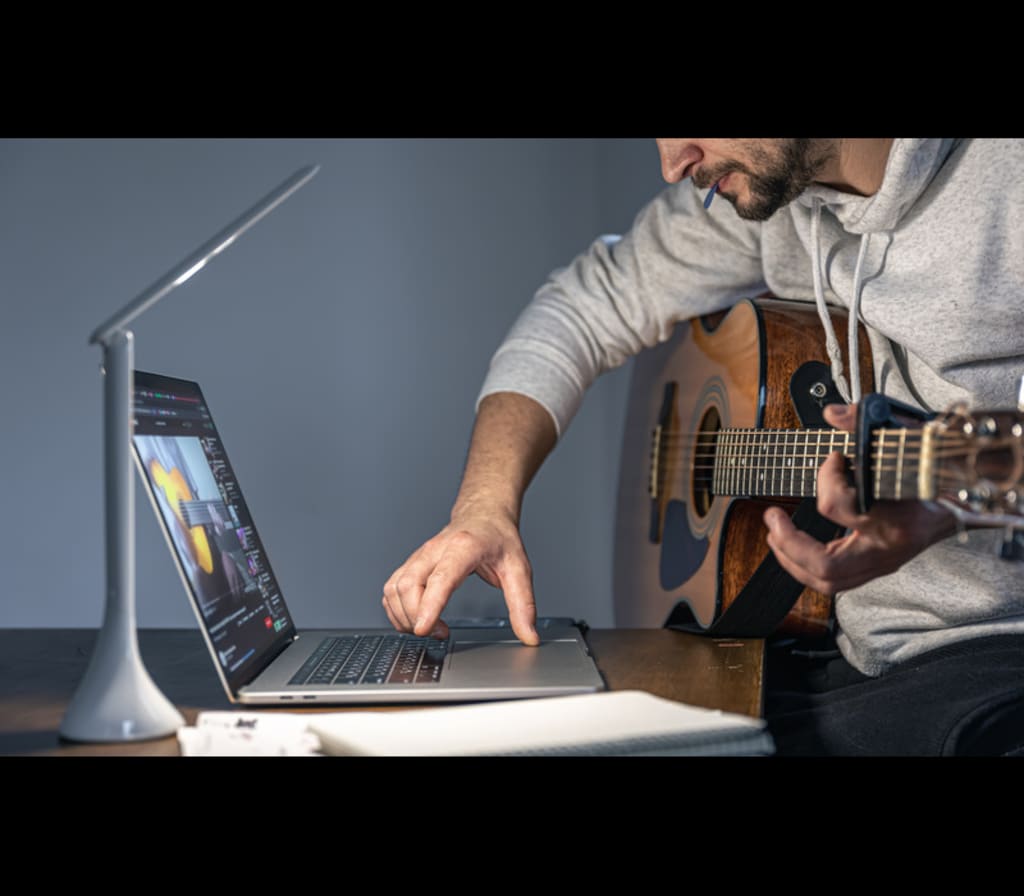
Music has always been one of the most universal forms of human expression — but creating it has never been universal. For decades, songwriting and production remained locked behind expensive equipment, formal training, and access to recording studios. The average person might hum a melody in the shower or scribble lyrics in a notebook, but turning those fragments into a finished song was a different story entirely.
That story is changing fast. AI songwriting tools are tearing down the barriers that kept music creation exclusive, and the implications stretch far beyond the recording studio.
From Idea to Finished Song in Minutes
The traditional songwriting process is long and unpredictable. A professional songwriter might spend days crafting a single verse, weeks arranging instrumentation, and months in the studio recording and mixing. For hobbyists or non-musicians, the process never even gets started because the technical knowledge gap is simply too wide.
AI song makers flip this equation. Instead of requiring you to understand chord theory, vocal arrangement, or digital audio workstation software, they ask one simple question: what do you want your song to sound like?
Describe it in plain language — the genre, the mood, the instruments, the tempo — and the AI handles composition, arrangement, and production simultaneously. The output isn't a rough sketch or a basic beat. It's a complete, polished song with vocals, harmonies, and full instrumentation.
A Toolkit, Not Just a Generator
The most common misconception about AI music tools is that they're one-trick machines: type a prompt, get a track, done. In reality, the best platforms function as complete songwriting environments with multiple specialized tools working together.
Take Music Generator AI, a free AI song maker that offers seven distinct creation features. Text to Song handles the broadest use case — transforming written descriptions into finished compositions. But the platform goes much deeper than that.
Lyrics to Song addresses a different starting point entirely. If you've already written words that matter to you — a poem, a personal story, a message for someone special — this feature wraps your lyrics in professionally matched melodies and harmonies. The AI reads the emotional tone of your words and selects musical elements that amplify rather than compete with your message.
For those who want to write lyrics but don't know where to begin, the Lyrics Generator produces genre-appropriate verses from minimal input. Specify a theme, a mood, and a style, and the AI drafts complete lyrics that you can use as-is or refine to make them your own. It works across multiple languages, which is particularly valuable for creators producing content for diverse audiences.
Once you have a track, the refinement tools kick in. The Music Editor allows surgical modifications — regenerating a chorus, adjusting a bridge, reworking an intro — without affecting the sections you're happy with. The Music Extension tool solves one of the most common problems in AI music: length. If your track is too short for its intended purpose, this feature extends it intelligently, maintaining the musical style and energy throughout the added duration.
The AI Song Cover feature takes existing audio and reimagines it in a completely different genre. A soft acoustic piece becomes a driving rock anthem. A jazz improvisation transforms into an electronic soundscape. The AI preserves the core melody while reconstructing everything around it, producing results that feel intentional rather than algorithmic.
And with built-in multi-language support for both lyrics generation and vocal production, the platform serves creators regardless of what language their audience speaks.
Beyond Content Creation: Unexpected Use Cases
While most discussions about AI music focus on social media creators and marketers, some of the most meaningful applications are happening in spaces that rarely make headlines.
Education is one of the most promising frontiers. Music teachers are using AI song makers to help students understand composition by letting them experiment with structure, genre, and arrangement in real time. Instead of studying music theory in the abstract, students can hear how changing a tempo or switching a genre transforms a piece. The feedback loop between idea and output becomes almost instantaneous, accelerating learning in ways traditional methods cannot match.
Personal milestones represent another growing category. People are creating custom songs for weddings, anniversaries, graduations, and memorials — deeply personal pieces that no stock music library could ever provide. A father writes lyrics about watching his daughter grow up and transforms them into a song he plays at her wedding. A group of friends creates a custom track for a road trip playlist. These aren't commercial projects. They're moments of genuine human connection, made possible by technology that didn't exist two years ago.
Therapeutic applications are emerging as well. Music therapists are exploring AI song creation as a tool for patients who struggle to express emotions verbally. The act of describing a feeling in words, hearing it reflected back as music, and then refining that music creates a powerful feedback loop that supports emotional processing.
Small businesses are finding practical value too. Local restaurants create ambient playlists that match their brand identity. Fitness studios generate high-energy workout tracks. Real estate agents produce background music for property tour videos. These are businesses that would never hire a composer but benefit enormously from having original audio that sets them apart from competitors using the same generic stock tracks.
Why This Matters More Than You Think
The democratization of music creation isn't just a technological novelty — it represents a fundamental shift in who gets to participate in one of humanity's oldest art forms. For centuries, creating music required either natural talent cultivated through years of practice or enough money to hire someone with that talent. AI tools don't replace the value of musical mastery, but they do ensure that a lack of training is no longer a permanent barrier to musical expression.
This matters because music is deeply tied to identity, community, and communication. When more people can create music, more stories get told. More cultures get represented. More ideas find their sonic expression.
The technology will continue to improve — vocals will sound more natural, genre boundaries will blur further, and the gap between AI-generated and human-produced music will narrow. But the most important breakthrough has already happened: the door is open, and it's not closing again.
About the Creator
Sarah
With an experience of 10 years into blogging I have realised that writing is not just stitching words. It's about connecting the dots of millions & millions of unspoken words in the most creative manner possible.
Stability Through Structure: How Enterprise Risk Management Frameworks Protect Modern Organizations
Enterprise risk management plays a key role in helping organizations stay steady when challenges arise. Companies face risks every day. Some risks are small. Some risks can threaten the entire business. Enterprise risk management frameworks help leaders understand these risks and respond with confidence. They give teams a clear way to identify, measure, and monitor threats before they cause serious harm. These frameworks also support strong decision-making. As a result, they help build long-term stability in a fast-changing world.
By Adam Adlera day ago in Journal
Early March 2026: 4 Goals Accomplished
It's early March and I've now accomplished my 4th writing goal for the year of 2026. Before diving into the behind-the-scenes of it... why not tell you up front what that accomplishment was? I was published in a 2nd publication for this year. Published in Helix Literary Magazine out of Central Connecticut State University. You can read it for free right now!
By Stephen Kramer Avitabilea day ago in Writers




Comments
There are no comments for this story
Be the first to respond and start the conversation.