
Shell Declares Force Majeure on Qatari LNG Deliveries as Middle East Tensions Disrupt Global Energy Trade
Buyers scramble for alternatives as LNG cargoes from Qatar face unexpected disruptions.
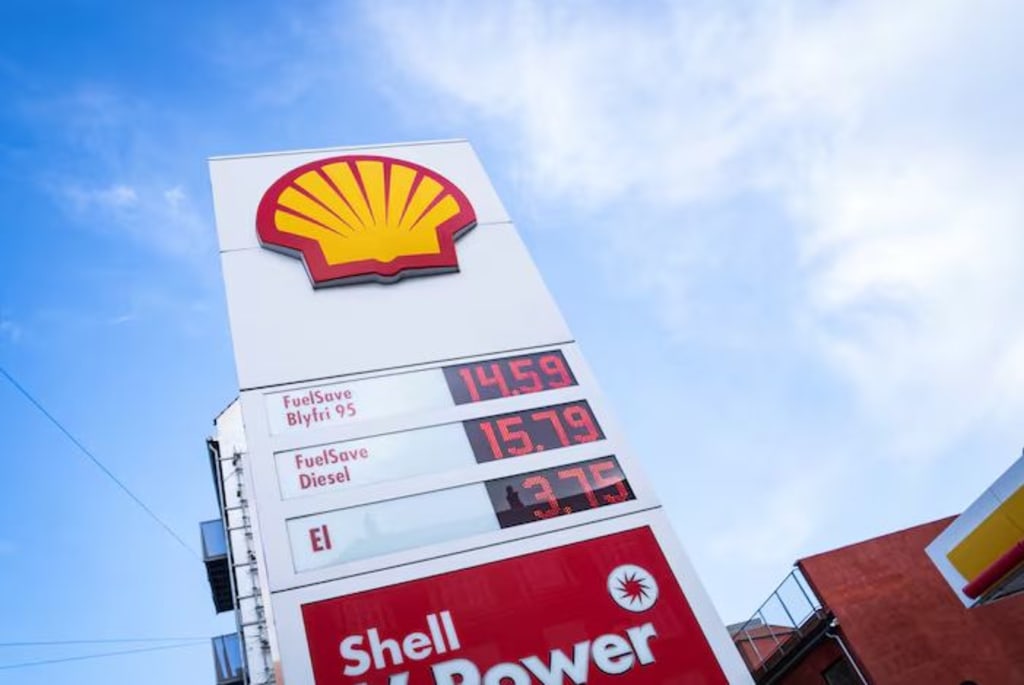
The global energy market is once again facing turbulence after Shell plc reportedly declared force majeure on some deliveries of liquefied natural gas (LNG) sourced from Qatar, according to industry sources. The move affects clients who purchase Qatari LNG cargoes through the energy giant and highlights how geopolitical tensions and logistical disruptions can ripple quickly across global energy supply chains.
Force majeure—a legal clause that allows companies to suspend contractual obligations due to events beyond their control—is rarely invoked in LNG trade. When it is, it often signals significant disruptions in supply or transport. For energy traders, utilities, and governments dependent on LNG imports, such declarations can create immediate concerns about fuel availability, pricing, and energy security.
The situation arrives at a delicate moment for global energy markets, already strained by geopolitical tensions and heightened uncertainty in the Middle East.
What Force Majeure Means in LNG Contracts
In energy trading, force majeure is essentially a legal safety valve. It allows suppliers to temporarily halt or reduce deliveries if circumstances make fulfilling contracts impossible or unsafe. In this case, sources say Shell informed certain customers that it may not be able to supply LNG volumes sourced from Qatar as originally agreed.
For buyers, this creates a ripple effect. Many utilities and energy companies rely on steady LNG shipments to power electricity generation or meet industrial demand. If a cargo fails to arrive, they must scramble to source replacement shipments on the spot market—often at much higher prices.
In tight markets, even a handful of delayed or canceled cargoes can trigger significant price volatility.
Qatar’s Central Role in Global LNG Supply
Qatar is one of the most critical players in the global LNG market. Through its state energy giant QatarEnergy, the Gulf nation is among the world’s largest exporters of liquefied natural gas.
Qatari LNG is shipped worldwide, particularly to Europe and Asia, where it helps power homes, industries, and electricity grids. Its reliability has made it a cornerstone of global gas supply for decades.
Much of this LNG travels through the strategically vital Strait of Hormuz, one of the most important shipping routes for energy commodities. Any disruption in or around this narrow waterway can send shockwaves through oil and gas markets.
Given this dependency, any signal that cargoes might be delayed or disrupted quickly grabs the attention of energy traders and policymakers.
Geopolitical Tensions Add Pressure
The declaration reportedly comes amid rising geopolitical tensions across the Middle East. Escalating conflicts and security risks in the region have already raised concerns about the safety of shipping routes and energy infrastructure.
In recent weeks, attacks on vessels and heightened military activity near key maritime corridors have fueled fears that energy shipments could become collateral damage in a broader geopolitical confrontation.
Energy companies like Shell must carefully assess these risks when deciding whether to continue shipments through potentially dangerous waters. If the risk becomes too great, invoking force majeure may be the only viable option.
Immediate Market Impact
Even before formal confirmation from Shell, the news has stirred anxiety among LNG traders and buyers. Spot LNG prices tend to react quickly to supply uncertainty, especially when the disruption involves a major supplier like Qatar.
A reduction in Qatari LNG deliveries could have several immediate consequences:
Higher LNG prices on global markets
Increased competition for spot cargoes
Pressure on energy-importing countries to secure alternative supplies
Potential spikes in electricity costs in gas-dependent regions
European markets in particular remain sensitive to gas supply disruptions after the continent dramatically increased LNG imports in recent years to replace pipeline gas.
Europe and Asia Watching Closely
Countries across Europe and Asia depend heavily on LNG imports, and many utilities rely on long-term supply agreements with global trading companies such as Shell.
If shipments are delayed or canceled, buyers may be forced to turn to alternative suppliers in places like:
United States
Australia
Malaysia
However, these supplies are not always readily available on short notice. LNG production operates near capacity worldwide, meaning replacement cargoes can be expensive and difficult to secure.
Why Shell Is a Key LNG Trader
Shell is not just an oil and gas producer—it is also one of the world’s largest LNG traders. The company buys, sells, and transports natural gas shipments across continents, acting as a bridge between producers and end-users.
Because of this role, disruptions involving Shell can affect a wide range of buyers across multiple regions. When the company declares force majeure, it often reflects problems that extend beyond a single cargo or contract.
In many cases, the issue stems from logistical barriers, shipping risks, or infrastructure disruptions that affect entire supply chains.
Long-Term Implications for the LNG Market
If the disruption persists, it could reshape trading patterns in the LNG market.
Energy analysts say the situation underscores the fragility of global energy supply chains. Despite massive investments in LNG infrastructure and diversification, the system still relies heavily on a handful of major exporters and key shipping routes.
Events like this may accelerate several long-term trends:
Increased investment in LNG storage capacity
Greater diversification of supply sources
Expansion of LNG production in the United States
Stronger focus on energy security policies
Governments and energy companies are already exploring ways to reduce vulnerability to sudden supply disruptions.
A Reminder of Energy Market Vulnerability
The reported force majeure declaration by Shell highlights just how interconnected—and fragile—the global energy system remains. A single disruption involving shipping routes, geopolitical tensions, or supplier logistics can reverberate across continents.
For consumers, the impact may eventually show up in higher electricity bills, rising gas prices, or increased volatility in energy markets.
For governments and industry leaders, the event serves as another reminder that energy security remains a critical challenge in an increasingly uncertain geopolitical landscape.
As the situation develops, energy markets will be watching closely to see whether the disruption proves temporary—or signals a deeper shift in the global LNG trade.
About the Creator
The Gels of My Life: A Ritual of Survival and Strength
Sitting here in Paris, watching the rain wash the city streets, I am struck by how much of our lives we spend trying to stay clean—not just on the outside, but within. The water hits the limestone buildings of this ancient city, and I think about the layers we apply to ourselves to withstand the weather of life. In a world of clinical solutions and quick fixes, I realized that my survival has been a series of rituals. I call them the "gels" of my life.
By Magma Star6 days ago in Journal
Bomb Scare
It was 2027, and the world never thought it would happen. A missle hit the United States, but it wasn't where they had anticipated. A little town in the northeast was hit by a missile strike, they didn't know why, and they didn't know exactly where it hit, but they did know it was a coastal community, somewhere between Maine and Delaware.
By Gregory Payton6 days ago in Fiction



Comments
There are no comments for this story
Be the first to respond and start the conversation.