
Oil Slides Over 4% as Trump Signals Iran Talks, Easing Supply Shock Fears
Diplomatic signals spark a sharp pullback in crude prices as markets reassess geopolitical risk
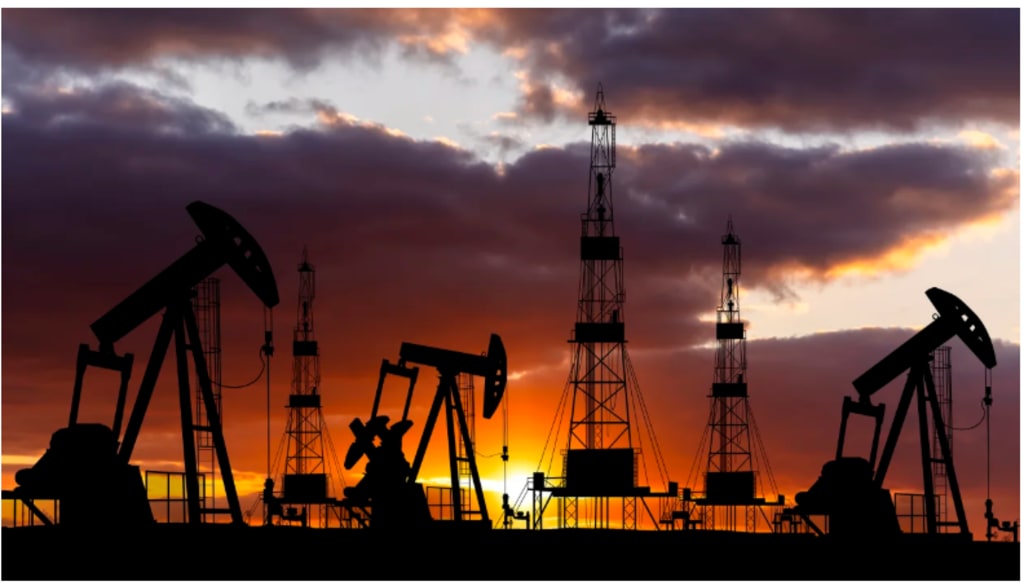
Global oil prices dropped sharply, sliding more than 4%, after former U.S. President Donald Trump signaled the possibility of renewed talks with Iran. The statement immediately eased fears of a major supply shock in the global energy market, triggering a wave of selling across crude oil benchmarks. The move highlights how geopolitical signals—sometimes just a few words—can rapidly reshape market sentiment in an already volatile energy landscape.
A Market on Edge Before the Drop
Before the price slide, oil markets were already operating under heightened tension. Ongoing conflicts in the Middle East, uncertainty around shipping routes, and production discipline from OPEC+ had kept prices elevated. Traders were pricing in the risk that escalating hostilities involving Iran could disrupt crude flows through critical chokepoints such as the Strait of Hormuz, a passage that handles roughly one-fifth of the world’s oil supply.
Any hint of confrontation involving Iran tends to raise alarm bells in energy markets. Iran is a major oil producer, and further sanctions or military escalation could significantly tighten global supply. As a result, oil prices had been buoyed by a geopolitical risk premium—extra value added purely due to fear of future disruptions.
Trump’s Statement Changes the Narrative
That risk premium began to unwind when Donald Trump publicly suggested openness to talks with Iran. While the comments did not include concrete policy details, markets interpreted them as a sign that immediate escalation may be avoided. Even the possibility of dialogue was enough to calm supply-side fears that had been driving prices higher.
Crude benchmarks reacted swiftly. Both Brent and West Texas Intermediate (WTI) futures posted losses exceeding 4% in a single trading session. The speed of the drop underscored how heavily prices had relied on geopolitical tension rather than actual supply shortages.
Why Iran Matters So Much to Oil Prices
Iran holds one of the world’s largest proven oil reserves and has the capacity to significantly influence global supply. Despite sanctions, the country has managed to export oil through alternative channels, particularly to Asia. Any easing of tensions—or future sanctions relief—could allow Iran to bring even more barrels to the market.
For traders, this possibility shifts the balance from scarcity to abundance. If Iranian oil flows more freely, it could offset production cuts from OPEC+ members and increase overall supply, putting downward pressure on prices. Trump’s comments, therefore, suggested not only reduced conflict risk but also the potential for additional oil entering the global system over time.
OPEC+ and the Supply Equation
The price slide also reflects growing uncertainty about OPEC+ strategy. The alliance has spent months attempting to stabilize prices through production cuts, but compliance has varied, and some members are eager to boost output to support their national budgets.
When geopolitical risks ease, OPEC+ discipline becomes even more critical. Without the fear-driven premium, prices are more exposed to fundamentals such as inventory levels, demand growth, and non-OPEC production—especially from the United States. Trump’s signal effectively shifted market focus away from crisis scenarios and back toward these core supply-demand dynamics.
Demand Concerns Add to the Pressure
Beyond geopolitics, oil markets are also grappling with questions about demand. Economic growth remains uneven across major regions. High interest rates, slowing industrial activity, and cautious consumer spending have raised doubts about how strong oil demand will be in the coming months.
China’s economic recovery has been slower than many expected, while Europe continues to face structural challenges. In the United States, demand remains relatively resilient, but not strong enough to fully offset global softness. When combined with the easing of supply fears, these demand-side concerns added momentum to the sell-off.
The Role of Market Psychology
The sharp decline illustrates the psychological nature of oil trading. Prices often move not on what is happening now, but on what traders believe might happen next. In this case, the market had been bracing for worst-case scenarios involving Iran. Trump’s comments disrupted that narrative, prompting investors to reassess their positions.
Once selling began, technical factors likely amplified the move. Stop-loss orders, algorithmic trading, and profit-taking after recent gains can all accelerate declines, turning a policy signal into a broad market correction.
What Happens Next?
Despite the sharp drop, analysts caution that oil volatility is far from over. Talks with Iran are far from guaranteed, and geopolitical risks in the Middle East remain complex and fluid. Any reversal in rhetoric, new sanctions, or unexpected disruptions could quickly push prices higher again.
At the same time, traders will closely monitor OPEC+ meetings, U.S. production data, and economic indicators for signs of demand strength or weakness. The balance between political headlines and market fundamentals will continue to define oil’s trajectory.
A Reminder of Oil’s Fragile Balance
The more than 4% slide in oil prices serves as a reminder of how fragile the global energy market can be. A single diplomatic signal was enough to erase days of gains, highlighting the thin line between fear-driven rallies and reality-based corrections.
As long as oil remains deeply intertwined with geopolitics, traders and consumers alike should expect continued volatility. For now, Trump’s signal of potential Iran talks has offered temporary relief to supply shock fears—but the story of global oil markets is far from settled.
About the Creator
Keep reading
More stories from muhmmed mairaj and writers in Journal and other communities.
Gold Plunge Deepens as Traders Unwind ‘Crowded’ Bets on Rally
Gold, long considered a safe-haven asset, is facing renewed pressure as prices slide deeper into correction territory. The recent plunge is not being driven by a single shock, but by a combination of shifting market expectations, profit-taking, and the rapid unwinding of what analysts describe as “crowded” bullish positions. As traders reassess the outlook for interest rates, inflation, and global risk, gold’s once-strong rally is losing momentum.
By muhmmed mairajabout 3 hours ago in Journal


Comments
There are no comments for this story
Be the first to respond and start the conversation.