
Oil Price at Two-Year High After Qatar Warns All Gulf Production Could Stop Within Days
Energy markets surge as tensions in the Gulf raise fears of a sudden halt to oil exports and a global supply shock.
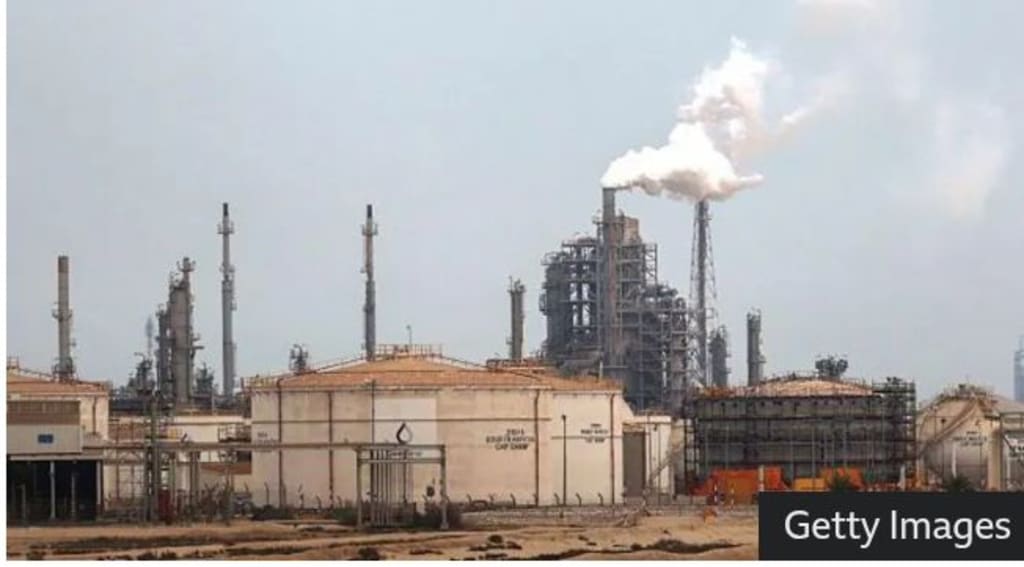
Introduction
Global oil markets have been thrown into turmoil after prices surged to their highest level in two years following a stark warning from Qatar. Officials from the Gulf nation cautioned that escalating conflict in the region could force a shutdown of oil production across several countries within days.
The warning immediately rattled energy markets and pushed crude prices sharply higher. Traders are now scrambling to assess the risk that the conflict involving Iran could disrupt energy infrastructure and shipping routes throughout the Persian Gulf—a region responsible for a significant portion of the world’s oil supply.
With oil already climbing to levels not seen since 2024, the latest developments have raised fears that the global economy could soon face a new energy shock.
Oil Prices Surge to Two-Year High
Crude oil prices surged dramatically after the warning from Qatar highlighted the fragile state of energy production in the Gulf. The international benchmark Brent Crude Oil climbed to around $90 per barrel, marking its highest level in nearly two years.
Meanwhile, the U.S. benchmark West Texas Intermediate (WTI) also rose sharply, reflecting growing concerns among investors about a potential supply shortage.
The rally has been driven by fears that the conflict in the region could spread and disrupt energy production not only in Iran but also across neighboring oil-producing nations. Traders often respond quickly to geopolitical risks in the Middle East because even small disruptions can significantly tighten global supply.
Qatar’s Warning Raises Alarm
The latest surge in oil prices was triggered by comments from officials in Qatar, who warned that escalating tensions could soon threaten energy production across the entire Gulf region.
According to the warning, if military activity intensifies or key infrastructure becomes a target, oil and gas operations across multiple countries could be forced to halt within days. Such a scenario would represent one of the most severe disruptions to the global energy market in decades.
The Gulf region is home to several of the world’s largest oil exporters, including Saudi Arabia, Kuwait, United Arab Emirates, and Iraq. Combined, these countries supply a substantial share of the world’s crude oil.
Any interruption to their production could dramatically reduce global supply almost overnight.
The Strategic Importance of the Gulf
The Persian Gulf is one of the most important energy hubs on the planet. Vast reserves of oil and natural gas lie beneath the region, and many of the world’s largest energy companies operate there.
Most of the oil produced in these countries is transported through the Strait of Hormuz, a narrow shipping route that connects the Gulf to global markets.
Roughly 20 percent of the world’s oil supply passes through this waterway every day. Because of its importance, any threat to shipping in the strait quickly sends shockwaves through energy markets.
Recent military activity and security warnings have already caused some shipping companies to reconsider routes through the area, further raising concerns about supply disruptions.
Global Markets React to the Energy Shock
The sudden jump in oil prices has triggered volatility across financial markets worldwide. Stock markets in the United States, Europe, and Asia have shown signs of instability as investors react to the possibility of rising energy costs.
Oil prices play a crucial role in the global economy because they influence transportation costs, manufacturing expenses, and the price of goods. When crude oil becomes more expensive, businesses often pass those costs on to consumers.
As a result, sustained increases in oil prices can contribute to inflation and slow economic growth.
Risk of $100 Oil
Many energy analysts believe the current surge could push prices even higher if tensions continue to escalate. Some experts predict that crude oil could soon surpass $100 per barrel if supply disruptions become more likely.
In a worst-case scenario—such as a prolonged shutdown of production across several Gulf countries—prices could rise significantly beyond that level.
The world remains heavily dependent on oil from the Middle East despite efforts to diversify energy sources. This dependence makes global markets highly sensitive to geopolitical developments in the region.
Impact on Consumers and Businesses
Rising oil prices typically lead to higher fuel costs for consumers. Gasoline, diesel, and jet fuel prices are closely tied to crude oil markets, meaning drivers and travelers often feel the impact quickly.
Airlines, shipping companies, and transportation industries are among the first to experience higher operating costs when oil prices climb. These increased expenses can eventually lead to higher prices for goods and services across the economy.
If oil remains near its current levels—or climbs even higher—households around the world may soon see rising costs at gas stations and in everyday purchases.
Governments Watch the Situation Closely
Governments and central banks are closely monitoring developments in the Gulf. Policymakers understand that prolonged energy price spikes can have serious economic consequences.
Some countries may consider releasing oil from strategic reserves to stabilize markets. Others could attempt to increase domestic production or seek alternative supply sources.
However, these measures often provide only temporary relief. The long-term direction of oil prices will largely depend on how the geopolitical situation evolves in the Middle East.
Uncertain Future for the Energy Market
The coming weeks will be critical for global energy markets. If tensions ease and production continues uninterrupted, oil prices could stabilize or decline.
But if the conflict spreads or infrastructure becomes a target, the world could face one of the largest supply shocks in modern energy history.
The warning from Qatar has already highlighted just how vulnerable global oil markets remain to geopolitical instability.
Conclusion
Oil’s climb to a two-year high underscores the powerful impact that geopolitical events can have on global markets. The warning from Qatar that Gulf production could stop within days has intensified fears of a major supply disruption.
With tensions involving Iran continuing to escalate, traders, policymakers, and consumers around the world are watching developments closely.
For now, the global energy market remains on edge—and the path of oil prices will depend largely on whether diplomacy or conflict shapes the next chapter in the Gulf crisis.
About the Creator
How to Map Cambodia’s Culinary Regions Through Taste
Cambodia is a kingdom where geography dictates the menu. From the prehistoric waters of the Tonle Sap to the mist-covered Cardamom Mountains, the landscape serves as a pantry. To map Cambodia’s culinary regions is to understand a history of survival, royalty, and trade. Each province offers a distinct profile that transforms simple ingredients into a complex sensory experience. Let’s dive into the six regions that define the soul of Khmer taste.
By Jeewanthi Armstrong5 days ago in Journal


Comments
There are no comments for this story
Be the first to respond and start the conversation.