
Israel Reopens Gaza’s Key Rafah Border Crossing with Egypt
Move signals potential humanitarian shift amid ongoing regional tensions
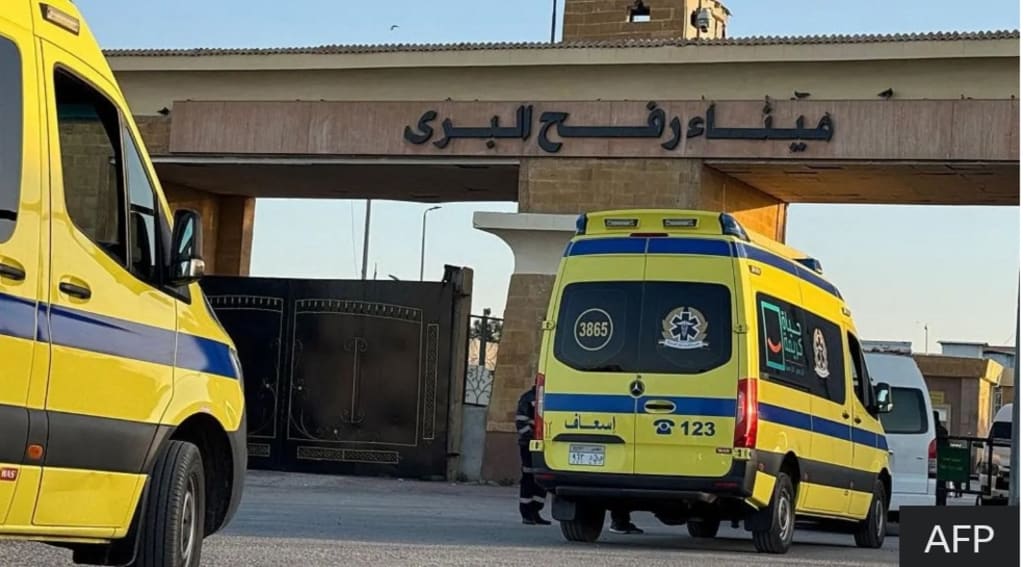
The reopening of Gaza’s key Rafah border crossing with Egypt marks a significant development in one of the Middle East’s most closely watched geopolitical and humanitarian situations. The crossing, long considered a vital lifeline for Gaza’s population, plays a crucial role in allowing movement of people, humanitarian aid, and essential supplies into and out of the territory.
While the reopening may provide temporary relief for civilians and humanitarian agencies, it also raises broader questions about regional security, political negotiations, and the future stability of cross-border access in the region.
Why the Rafah Crossing Is So Important
The Rafah crossing is one of the main gateways connecting Gaza to the outside world. Unlike other crossings that are closely controlled by Israel, Rafah provides access through Egypt, making it a critical route for humanitarian movement and civilian travel.
The crossing is important because it enables:
Delivery of medical supplies and humanitarian aid
Movement of injured or sick civilians needing treatment abroad
Entry of food, fuel, and essential goods
Limited civilian travel for education, medical, or family reasons
For many Gaza residents, Rafah represents their only realistic connection to the outside world during periods of heightened restrictions.
Humanitarian Implications of the Reopening
Humanitarian organizations have long emphasized the importance of consistent border access to prevent worsening humanitarian conditions. The reopening could allow aid agencies to deliver critical supplies and support vulnerable populations.
Potential humanitarian benefits include:
Improved access to medical treatment outside Gaza
Increased food and water supply deliveries
Support for hospitals facing resource shortages
Movement of humanitarian workers and aid teams
Aid groups often stress that sustained access, rather than short-term openings, is key to stabilizing humanitarian conditions.
Security and Political Context
Border crossings in the region are often closely linked to security concerns. Governments typically balance humanitarian needs with efforts to prevent weapons smuggling, militant movement, or security threats.
Security concerns often involve:
Monitoring cross-border movement
Inspecting goods and supply shipments
Coordinating with multiple security agencies
Managing political tensions between regional actors
As a result, border openings can be temporary or conditional depending on security developments.
Egypt’s Role in Border Management
Egypt plays a central role in managing the Rafah crossing and often acts as a mediator in regional conflicts. The country’s involvement is critical in coordinating border access, humanitarian aid, and diplomatic communication between parties.
Egypt’s responsibilities often include:
Border security and screening procedures
Coordination with humanitarian agencies
Participation in diplomatic negotiations
Managing regional security risks
Egypt’s cooperation is often essential for maintaining border stability.
Impact on Civilians
For Gaza residents, border openings can dramatically affect daily life. Access to healthcare, education, and family reunification often depends on crossing availability.
Civilian benefits may include:
Travel for urgent medical treatment
Family reunification opportunities
Access to educational programs abroad
Increased economic trade possibilities
Even temporary openings can provide relief to families who have been separated or unable to access essential services.
Economic Implications
Border access also plays a role in Gaza’s fragile economy. Limited trade opportunities and restricted movement have historically contributed to economic challenges.
Potential economic impacts include:
Increased trade flow of goods
Reduced supply shortages
Potential price stabilization of essential products
Temporary boost to local businesses
However, long-term economic improvement typically requires consistent border access and broader regional stability.
International Reactions
International organizations and foreign governments often monitor developments at key border crossings closely. Reopenings are typically viewed as positive humanitarian steps, though long-term political solutions remain complex.
International responses often include:
Calls for sustained humanitarian access
Monitoring of security conditions
Diplomatic engagement to maintain stability
Increased humanitarian funding pledges
The Challenge of Maintaining Long-Term Access
While reopening the crossing is significant, maintaining consistent access remains a major challenge. Political tensions, security incidents, and regional conflicts can quickly change border policies.
Long-term challenges include:
Maintaining security while allowing humanitarian access
Coordinating between multiple governments and agencies
Balancing political pressure and civilian needs
Preventing escalation of regional tensions
The Broader Regional Picture
The Rafah crossing has long been a symbol of the wider Israeli-Palestinian conflict and regional Middle East politics. Border access decisions often reflect broader diplomatic negotiations and security developments.
Analysts often note that sustainable humanitarian access usually depends on wider political agreements and long-term peace efforts.
Conclusion
The reopening of Gaza’s Rafah border crossing with Egypt represents a potentially important humanitarian development. For civilians, it offers hope for improved access to medical care, essential goods, and connection with the outside world. For governments and international organizations, it reflects the ongoing challenge of balancing humanitarian needs with complex security realities.
While the reopening may provide short-term relief, the long-term stability of border access remains uncertain. The future of the crossing will likely depend on broader regional political developments, security conditions, and continued international engagement.
For many observers, the Rafah crossing remains more than just a border checkpoint — it is a symbol of both humanitarian need and the complexity of regional geopolitics.
About the Creator
Keep reading
More stories from Aarif Lashari and writers in Journal and other communities.
Big Picture: This Week’s Stunning Images from the South
Every week, photographers and journalists bring us images that tell stories far beyond words. From vibrant city streets to serene natural landscapes, this week’s collection from the South offers a window into the lives, struggles, and celebrations of people in the region. Each photograph captures more than a moment — it conveys emotion, context, and perspective.
By Aarif Lashariabout 9 hours ago in Journal
Buried for 33 Years, the Dream to Revive One of the Country’s Largest Gold Mines Is Suddenly Back on the Map
Precious metals markets are undergoing a shift rarely seen in recent decades. While gold often dominates headlines, silver has quietly surged in both investor interest and industrial demand — creating strains on traditional supply channels and prompting bold strategic moves from major players. One of the most notable developments is MMTC-PAMP’s plan to launch a silver recycling pilot within three months to help counter supply concerns*.
By Salaar Jamali7 days ago in Journal
Living in a hemp house
Hemp, a multi-purpose crop that delivers fibres, shivs, seeds, and pharmaceuticals is currently used in insulation materials and bio-composites for a more sustainable construction industry. Russ Martin and his wife Karon Korp tell their story as owners of the first hemp house in the U.S.
By Susan Fourtané 7 days ago in Interview


Comments
There are no comments for this story
Be the first to respond and start the conversation.