
How high could oil prices go – and what might the global economic fallout be?
Surging crude costs threaten inflation, supply chains, and global growth amid geopolitical uncertainty


Oil prices have surged to levels not seen in over a decade, driven by geopolitical tensions, supply disruptions, and recovering demand following the pandemic. Analysts warn that continued increases could have severe consequences for global economic stability, affecting everything from consumer prices to corporate earnings and international trade. Understanding the potential trajectory of oil prices and the associated economic fallout is crucial for policymakers, businesses, and consumers alike.
Geopolitical Drivers of Rising Oil Prices
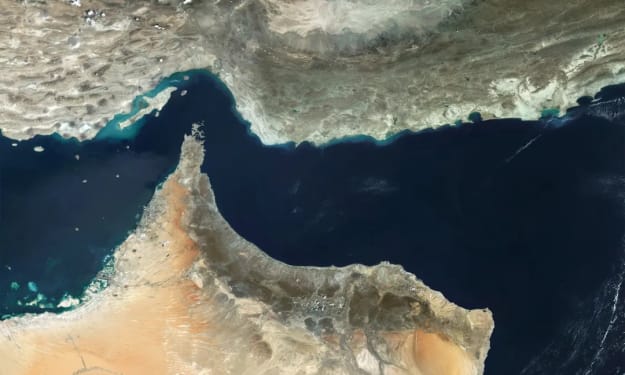
One of the primary factors behind the recent price spikes is ongoing conflict and political instability in key oil-producing regions. The Middle East has seen heightened tensions, including attacks on shipping routes, missile strikes, and regional military posturing, all of which threaten supply reliability. Countries such as Iran, Iraq, and Saudi Arabia remain central to global oil production, and any disruption in their output can have immediate ripple effects on prices.
In addition, sanctions and trade restrictions imposed on major producers have further tightened supply. For example, sanctions targeting Iranian and Russian oil exports have reduced the global market’s flexibility, leaving consumers more vulnerable to price shocks. These geopolitical uncertainties are compounded by the fact that alternative suppliers are struggling to meet rising global demand, particularly as economies in Asia, Europe, and North America recover from pandemic-related slowdowns.
Supply and Demand Dynamics
The basic laws of supply and demand play a central role in determining oil prices. Global demand for oil has rebounded sharply as industries restart operations and consumers resume travel. Airlines, shipping, and manufacturing sectors are driving a surge in energy consumption, putting additional pressure on already constrained supplies.
On the supply side, oil-producing countries have struggled to increase output sufficiently to meet demand. OPEC+ nations have implemented production caps, while infrastructure and investment constraints in other regions limit the ability to scale production quickly. Analysts estimate that even small disruptions in supply can cause significant price volatility, as markets remain finely balanced between shortage and oversupply.
Economic Fallout
Rising oil prices have far-reaching consequences for the global economy. One of the most immediate effects is inflation. Higher energy costs increase transportation, production, and consumer goods prices, placing upward pressure on overall consumer price indices. Central banks may respond with tighter monetary policy, raising interest rates to curb inflation, which in turn could slow economic growth.
Higher energy prices also strain household budgets. Consumers spend more on gasoline, heating, and electricity, leaving less disposable income for other goods and services. This can dampen consumer demand, which is a critical driver of economic growth in many countries. In emerging markets, where energy costs already constitute a larger share of household expenditures, the impact is even more pronounced.
For businesses, particularly those in energy-intensive industries such as manufacturing, logistics, and aviation, higher oil prices increase operational costs. Companies may pass these costs onto consumers, potentially reducing demand for their products, or absorb the costs, reducing profitability. Multinational corporations that operate across regions with varying fuel costs face additional financial complexity and risk exposure.
Trade and Global Stability
Surging oil prices also affect international trade balances. Oil-importing nations face higher import bills, which can worsen trade deficits and place downward pressure on national currencies. Conversely, oil-exporting countries may experience windfalls, boosting government revenues but potentially creating inflationary pressures domestically if not managed carefully.
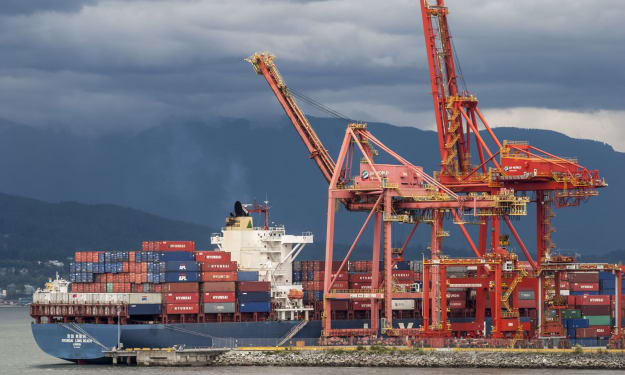
The interconnectedness of the global economy means that volatility in energy markets can create cascading effects. For example, rising oil costs may increase the price of shipping and logistics globally, raising costs for consumer goods, agricultural exports, and industrial inputs. Inflationary pressure may prompt governments to adjust fiscal policies, while central banks react with monetary tightening, creating a delicate balance between curbing inflation and sustaining growth.
How High Could Prices Go?
Predicting the ceiling for oil prices is inherently challenging due to the volatility of geopolitical events, market speculation, and demand fluctuations. Some analysts warn that prices could reach historically high levels if supply disruptions intensify or if major conflicts escalate. Others argue that market adjustments, such as increased production from non-OPEC countries, renewable energy adoption, and strategic petroleum reserves releases, may temper extreme price surges.
Historical precedent suggests that prices above $150 per barrel, as seen in previous crises, can trigger severe economic consequences globally. At those levels, inflation accelerates, interest rates rise sharply, and global growth slows. Economists caution that prolonged periods of high energy prices could even lead to stagflation—a combination of stagnant growth and high inflation.
Looking Ahead
The trajectory of oil prices will depend on multiple factors: geopolitical stability, production decisions by major oil-exporting nations, technological advancements in energy alternatives, and global demand trends. Policymakers and investors are closely monitoring these variables to prepare for potential economic fallout.
Consumers, businesses, and governments alike face the challenge of adapting to an environment of rising energy costs. Strategic reserves, energy efficiency measures, and diversification of supply sources may mitigate some of the impact, but sustained high prices are likely to reshape consumption patterns, trade flows, and investment decisions globally.
In conclusion, while the exact ceiling for oil prices is uncertain, the economic consequences of sustained increases are clear: higher inflation, constrained growth, and significant adjustments for households, businesses, and governments worldwide. As the world navigates this volatile period, monitoring oil market developments and preparing for potential fallout remains a priority for all stakeholders.
About the Creator
Fiaz Ahmed
I am Fiaz Ahmed. I am a passionate writer. I love covering trending topics and breaking news. With a sharp eye for what’s happening around the world, and crafts timely and engaging stories that keep readers informed and updated.
Keep reading
More stories from Fiaz Ahmed and writers in Journal and other communities.
Global trade’s lifelines: 6 shipping lanes that keep the world economy moving
Maritime shipping lanes are the unsung lifelines of global trade. Roughly 90% of the world’s goods—from electronics and oil to food and raw materials—travel by sea, navigating a network of strategic shipping corridors that connect producers to consumers across continents. Disruptions along these routes can ripple across the global economy, impacting supply chains, energy prices, and trade flows. Here are six critical shipping lanes that underpin international commerce: 1. The Strait of Hormuz Located between Oman and Iran, the Strait of Hormuz is a narrow passage through which roughly 20% of the world’s oil supply passes. Tankers from Gulf nations rely on this corridor to transport crude to Europe, Asia, and the Americas. Heightened regional tensions can quickly drive up oil prices, as recent conflicts and military posturing have shown. 2. The Suez Canal The Suez Canal connects the Mediterranean Sea to the Red Sea, allowing ships to bypass the lengthy voyage around Africa’s Cape of Good Hope. The canal handles approximately 12% of global trade, making it one of the most strategically important maritime routes. The 2021 blockage by the container ship Ever Given demonstrated how a single incident can stall billions of dollars in goods. 3. The Strait of Malacca Between Malaysia and Indonesia, the Strait of Malacca serves as the main artery for ships traveling between the Indian Ocean and the Pacific. Around 25% of all traded goods pass through this narrow channel, including oil, electronics, and commodities. Its vulnerability to congestion or piracy has prompted constant monitoring and security initiatives. 4. The Panama Canal Connecting the Atlantic and Pacific Oceans, the Panama Canal facilitates the rapid movement of goods between Asia and the Americas. For decades, the canal has shortened transit times and reduced fuel costs for shipping companies. Recent expansions allow larger vessels to pass through, accommodating the growth of global containerized trade. 5. The English Channel One of the busiest shipping lanes in the world, the English Channel links the United Kingdom to continental Europe. Nearly 500 ships pass daily, carrying everything from raw materials to finished products. Its strategic position near Europe’s industrial and financial hubs makes it crucial for European commerce, especially during Brexit-related logistical shifts. 6. The Bab el-Mandeb Strait Connecting the Red Sea to the Gulf of Aden, the Bab el-Mandeb Strait sits between Djibouti and Yemen. About 4.8 million barrels of oil daily flow through this route, alongside other key commodities. Regional instability, piracy, and conflict in nearby areas have raised concerns over potential disruptions. Why These Routes Matter Global shipping lanes are not just pathways for goods—they are economic arteries that sustain industry, employment, and geopolitical influence. Even minor blockages can trigger cascading effects, delaying shipments, inflating prices, and disrupting production cycles. For instance, disruptions in the Suez Canal or Strait of Hormuz often lead to surging oil prices and logistical bottlenecks worldwide. Shipping companies, governments, and international organizations invest heavily in monitoring, securing, and maintaining these corridors. Advances in maritime technology, satellite navigation, and coordinated international patrols help mitigate risks such as piracy, geopolitical tensions, and accidents. Challenges Ahead Despite these safeguards, global shipping remains vulnerable. Rising geopolitical tensions, climate change, and evolving security threats could jeopardize these vital routes. Analysts warn that the reliance on a handful of narrow corridors makes the global economy susceptible to unforeseen shocks. Diversifying routes and improving maritime infrastructure are considered key strategies for resilience. The lifelines of global trade are more than just shipping lanes—they are critical components of the modern economy, linking markets, nations, and people. Protecting them ensures not only the smooth flow of goods but also global economic stability, energy security, and international cooperation. As trade volumes continue to grow and international tensions rise, these six corridors will remain under scrutiny, reminding the world just how interconnected and fragile the modern global supply chain truly is.
By Fiaz Ahmed 4 days ago in Journal
Why Aviation Maintenance Teams Are Switching to Bonded Fasteners
In the ever-evolving world of aviation, innovation is the driving force behind efficiency, safety, and cost-effectiveness. One such breakthrough has been the shift towards bonded fasteners. Aviation maintenance teams, always looking for ways to reduce downtime and increase reliability, are increasingly adopting adhesive-based fastening methods over traditional mechanical fasteners. This shift is not only improving the way aircraft are maintained, but also reshaping the future of aerospace assembly.
By Beckett Dowhan6 days ago in Journal
TUS NUA - ch 53
TUS NUA – ch 53 New Beginnings – Mia and Midnight (*)(*)(*) Finola knew Ali’s brother-in-law needed to put his mind at rest. She fed her arm through his and led him outside. “We’ll sit here. If you like, I can put a block around us so our conversation will be private.”
By Margaret Brennan2 days ago in Fiction


Comments
There are no comments for this story
Be the first to respond and start the conversation.