
Gold Pulls Back From $5,249 as US Dollar Firms on Fed Rhetoric
Hawkish Signals From the Federal Reserve Strengthen the Dollar and Cool the Bullion Rally
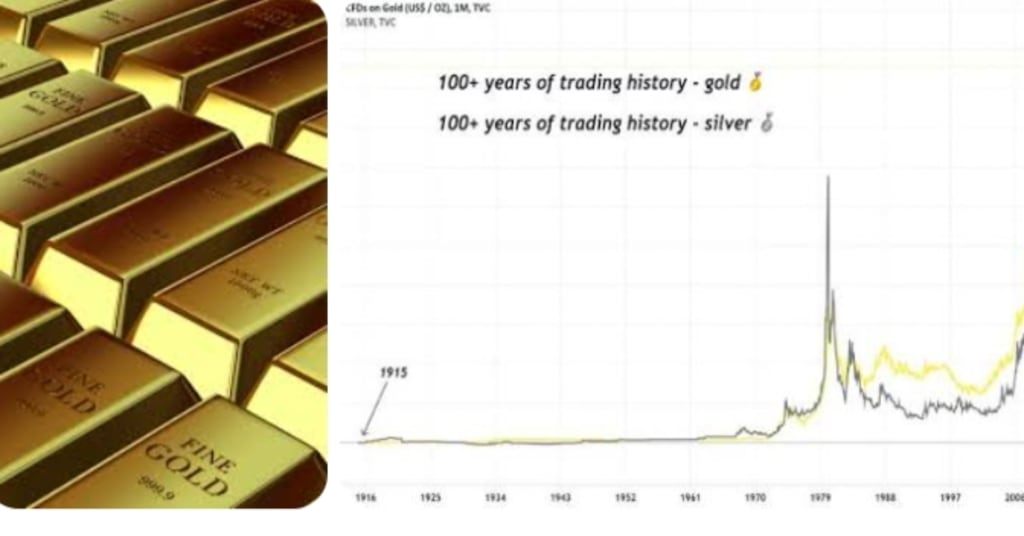
Gold’s powerful rally hit a pause this week as prices pulled back from the $5,249 level, pressured by a strengthening U.S. dollar and renewed hawkish rhetoric from the Federal Reserve. After climbing steadily on geopolitical risks and persistent inflation concerns, bullion now finds itself facing a familiar headwind: tighter monetary expectations.
The move underscores a classic dynamic in financial markets. When the dollar strengthens and interest rate expectations rise, gold often retreats. And that’s precisely what unfolded as Federal Reserve officials signaled that inflation risks remain elevated and rate cuts may not be imminent.
Gold’s Rally Meets Resistance
Gold had surged to $5,249 amid strong safe-haven demand and continued central bank buying. Concerns ranging from geopolitical tensions to trade uncertainties had fueled demand for the precious metal, long regarded as a store of value during periods of instability.
However, as the Federal Reserve reinforced its commitment to fighting inflation, investor sentiment shifted. Higher-for-longer rate expectations pushed Treasury yields upward, strengthening the dollar and reducing gold’s appeal.
Unlike interest-bearing assets such as bonds, gold offers no yield. When interest rates rise or are expected to stay elevated, the opportunity cost of holding bullion increases, often prompting short-term pullbacks.
The Dollar’s Comeback
The U.S. dollar’s resurgence has been central to gold’s retreat. A stronger dollar makes gold more expensive for buyers using other currencies, dampening global demand.
Fed officials’ recent comments suggested that policymakers are not yet confident inflation is sustainably moving toward target levels. Markets that had previously priced in potential rate cuts later in the year began reassessing those expectations.
As rate-cut hopes cooled, the dollar firmed. That alone can be enough to shift momentum in gold markets, especially after a sharp rally.
Fed Rhetoric Reshapes Expectations
Federal Reserve communication plays a critical role in shaping asset prices. Even subtle shifts in tone—emphasizing caution over accommodation—can ripple through currencies, bonds, equities, and commodities.
Hawkish rhetoric generally implies:
Fewer or delayed rate cuts
Continued restrictive policy
Greater focus on inflation risks
Such messaging tends to support the dollar while weighing on non-yielding assets like gold.
While no immediate policy change occurred, markets often move ahead of official decisions. Traders adjust positions based on anticipated trajectories, and that repositioning contributed to gold’s pullback from its recent high.
Safe-Haven Demand Remains
Despite the retreat, gold’s broader fundamentals remain intact. Ongoing geopolitical tensions, fiscal concerns, and central bank diversification strategies continue to support longer-term demand.
Many emerging market central banks have increased gold reserves as part of efforts to reduce reliance on dollar-denominated assets. That structural demand has helped underpin prices even during short-term corrections.
Additionally, global uncertainty—from trade disputes to regional conflicts—continues to provide a floor beneath the market.
In other words, while gold may have paused, its larger narrative has not necessarily changed.
Technical Factors at Play
Market psychology also plays a role. After reaching $5,249, gold may have entered technically overbought territory. Traders often lock in profits after significant rallies, triggering temporary reversals.
Technical support levels now come into focus. If gold stabilizes above key moving averages, it could signal that the pullback is merely corrective rather than the start of a sustained downturn.
Conversely, sustained dollar strength and rising yields could extend pressure in the short term.
Inflation and the Road Ahead
At the heart of the matter lies inflation. If economic data show continued price pressures, the Federal Reserve is unlikely to pivot quickly toward easing. That scenario would keep upward pressure on yields and support the dollar.
However, if inflation cools more decisively, expectations could shift again, potentially reigniting gold’s rally.
Investors are watching upcoming economic releases closely, including employment data and consumer price indicators. Each report carries the potential to recalibrate rate expectations—and by extension, gold prices.
Balancing Risk and Opportunity
For investors, gold’s pullback highlights the importance of understanding macroeconomic linkages.
Gold is influenced by:
Interest rate expectations
Currency movements
Geopolitical developments
Central bank policy
Investor risk appetite
Short-term volatility does not necessarily undermine long-term value. Many portfolio managers continue to view gold as a hedge against inflation and systemic risk.
At the same time, timing matters. Entering positions after sharp rallies can expose investors to corrections when sentiment shifts.
Market Sentiment and Positioning
Another factor influencing gold’s move is positioning in futures markets. If speculative traders build large long positions, even minor shifts in outlook can trigger accelerated selling as traders unwind exposure.
Such moves can amplify otherwise modest fundamental changes.
The recent pullback may reflect not only Fed rhetoric but also market participants adjusting exposure after gold’s rapid ascent.
A Delicate Balance
The interplay between gold and the U.S. dollar is a delicate balance shaped by perception as much as policy. The Federal Reserve’s emphasis on vigilance against inflation signals caution in declaring victory over price pressures.
That caution bolsters the dollar—but also reinforces the very inflation concerns that have historically supported gold.
In this sense, gold’s story is layered. The same inflation fears that justify restrictive policy also underpin the metal’s long-term appeal.
Conclusion
Gold’s retreat from $5,249 underscores how quickly market dynamics can shift when central bank messaging changes tone. A firmer U.S. dollar and hawkish Federal Reserve rhetoric have temporarily cooled what had been a powerful rally.
Yet the broader environment—marked by geopolitical tension, central bank diversification, and inflation uncertainty—continues to provide structural support.
For now, traders are recalibrating expectations. Whether gold resumes its upward march or consolidates at lower levels will depend largely on upcoming economic data and the Federal Reserve’s evolving stance.
In markets shaped by global uncertainty, gold remains a barometer of confidence—and concern.
About the Creator
Jobs in Antarctica 2026: Work at British and US Research Stations – Chefs, Carpenters, Electricians Wanted No Science Degree Needed
Britain and the United States are both looking for new employees for their research stations in Antarctica. You don’t have to be a scientist to get a job there, as they also need carpenters, electricians, chefs, and even barbers.
By Real contenta day ago in Journal


Comments
There are no comments for this story
Be the first to respond and start the conversation.