
G7 ‘Stands Ready’ to Release Emergency Oil Reserves as Global Energy Markets Face Uncertainty
Major economies prepare contingency plan to stabilize oil prices amid geopolitical tensions and supply disruptions
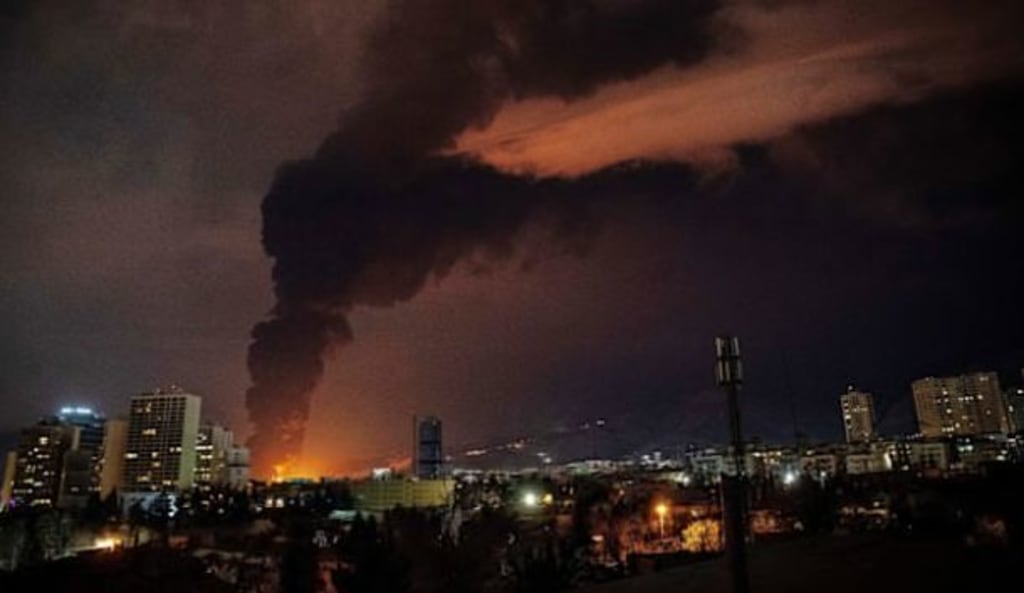
Global energy markets are once again facing heightened uncertainty, prompting leaders of the Group of Seven (G7) nations to signal their readiness to release emergency oil reserves if supply disruptions threaten the stability of the global economy. The announcement reflects growing concerns about rising oil prices, geopolitical tensions, and the potential for supply shocks that could ripple through economies worldwide.
The G7—comprising the United States, Canada, the United Kingdom, Germany, France, Italy, and Japan—issued a statement indicating that member countries are closely monitoring developments in global energy markets. They emphasized that they are prepared to coordinate the release of strategic petroleum reserves if necessary to ensure adequate supply and to prevent extreme price volatility.
Rising Concerns Over Global Oil Supply
Oil markets have been under significant pressure in recent weeks due to escalating geopolitical conflicts, supply chain disruptions, and concerns about the security of key shipping routes. Analysts say that any major disruption in oil production or transportation could quickly send prices soaring, increasing the risk of inflation and economic instability.
Energy traders have already reacted nervously to the latest developments. Oil prices have climbed steadily as markets assess the possibility of reduced output from major producers and interruptions to shipments through strategic chokepoints.
The G7’s message aims to calm markets by reassuring investors and governments that emergency tools are available. Strategic petroleum reserves are essentially large stockpiles of crude oil maintained by governments to be used during supply crises.
“These reserves exist precisely for moments like this,” energy analysts often note. “When markets face sudden shortages or extreme volatility, coordinated releases can stabilize prices and restore confidence.”
What Are Strategic Oil Reserves?
Strategic oil reserves are government-controlled emergency stockpiles of crude oil or petroleum products. They are intended to provide a buffer during periods of severe supply disruptions caused by wars, natural disasters, or geopolitical crises.
The United States maintains the world’s largest emergency oil reserve through the Strategic Petroleum Reserve (SPR). Stored in underground salt caverns along the Gulf Coast, it holds hundreds of millions of barrels of crude oil. Other G7 countries also maintain reserves either individually or through international agreements coordinated by energy organizations.
These reserves were first established during the energy crises of the 1970s when oil embargoes exposed the vulnerability of many industrialized nations to supply shocks.
Over the decades, coordinated releases of emergency reserves have been used sparingly but effectively. They have helped stabilize markets during major events such as wars in the Middle East, hurricanes disrupting Gulf of Mexico production, and global supply crises.
Why the G7 Is Considering a Release
The current concerns stem from a combination of geopolitical tensions, rising demand, and fears that key shipping routes could become unsafe for oil tankers. If critical energy corridors are disrupted, millions of barrels of oil per day could be temporarily removed from the global market.
Such a scenario would likely drive prices sharply higher, raising fuel costs for consumers and increasing transportation and manufacturing expenses for businesses.
Higher energy prices also tend to push inflation upward, complicating efforts by central banks to manage economic stability. Many countries are already grappling with elevated inflation levels following years of pandemic-related disruptions and supply chain challenges.
By signaling readiness to release reserves, G7 leaders hope to deter speculation in oil markets and reassure both consumers and industries that supplies can be supplemented if necessary.
Potential Impact on Oil Prices
Historically, the mere announcement that governments are willing to release strategic reserves can have a calming effect on markets. Traders often respond quickly to signals from major economies because coordinated action among large oil-consuming nations can significantly increase supply in the short term.
If implemented, a reserve release would likely involve several countries contributing oil from their emergency stockpiles simultaneously. This coordinated approach maximizes the impact on global supply and sends a strong message of unity among major economies.
However, experts caution that strategic reserves are not a long-term solution to structural supply shortages. They are designed to address temporary disruptions rather than replace ongoing production from oil fields.
“Emergency reserves can buy time,” energy economists often say, “but they cannot substitute for sustained supply from producers.”
Broader Economic Implications
Energy prices play a crucial role in shaping global economic conditions. When oil becomes more expensive, transportation costs rise, production expenses increase, and consumer spending power declines.
For governments already dealing with economic pressures, sudden spikes in oil prices can create difficult policy challenges. Higher fuel costs often trigger public frustration and political pressure, particularly in countries where transportation and heating expenses consume a significant portion of household budgets.
In addition, industries such as aviation, shipping, and logistics are especially sensitive to fuel price fluctuations. Stabilizing oil markets can therefore help maintain smoother operations across multiple sectors of the global economy.
Cooperation Among Major Economies
The G7’s coordinated stance highlights the importance of international cooperation during energy crises. While individual countries may have their own reserves, acting together amplifies the effectiveness of emergency measures.
Energy security has increasingly become a global concern as geopolitical conflicts, climate transitions, and changing demand patterns reshape the oil market. Governments are now balancing immediate energy needs with long-term plans to transition toward cleaner and more sustainable sources.
Despite these long-term goals, oil remains a critical component of the world’s energy system. Any sudden disruption to supply can still send shockwaves through global markets.
Looking Ahead
For now, the G7 has not announced an immediate release of oil reserves. Instead, the group has emphasized its readiness to act quickly if market conditions deteriorate further.
Energy analysts say the situation will likely depend on how geopolitical developments unfold in the coming weeks. If tensions escalate or key supply routes face disruption, coordinated intervention may become necessary.
Until then, the G7’s message serves as a reminder that governments still have powerful tools at their disposal to manage energy crises.
In an increasingly interconnected world, the stability of global energy markets remains vital not only for economic growth but also for maintaining confidence across industries and financial systems.
Whether or not the reserves are ultimately deployed, the G7’s readiness to act sends a clear signal: major economies are prepared to step in to protect global energy stability if the situation demands it.
About the Creator
Mining Dump Truck Market Driving Heavy Industry Growth
The Machines That Move Mountains At the edge of a vast open-pit mine, a truck the size of a small building rumbles forward. Its tires tower over workers, and its cargo bed carries hundreds of tons of ore in a single trip. These machines operate continuously, day and night, hauling the raw materials that power modern economies.
By james robert6 days ago in Journal


Comments
There are no comments for this story
Be the first to respond and start the conversation.