
Flames in Faith: Mosque Attack During Ramadan Deepens West Bank Tensions
Defaced walls and fire damage spark outrage as communities call for protection of sacred spaces
Introduction
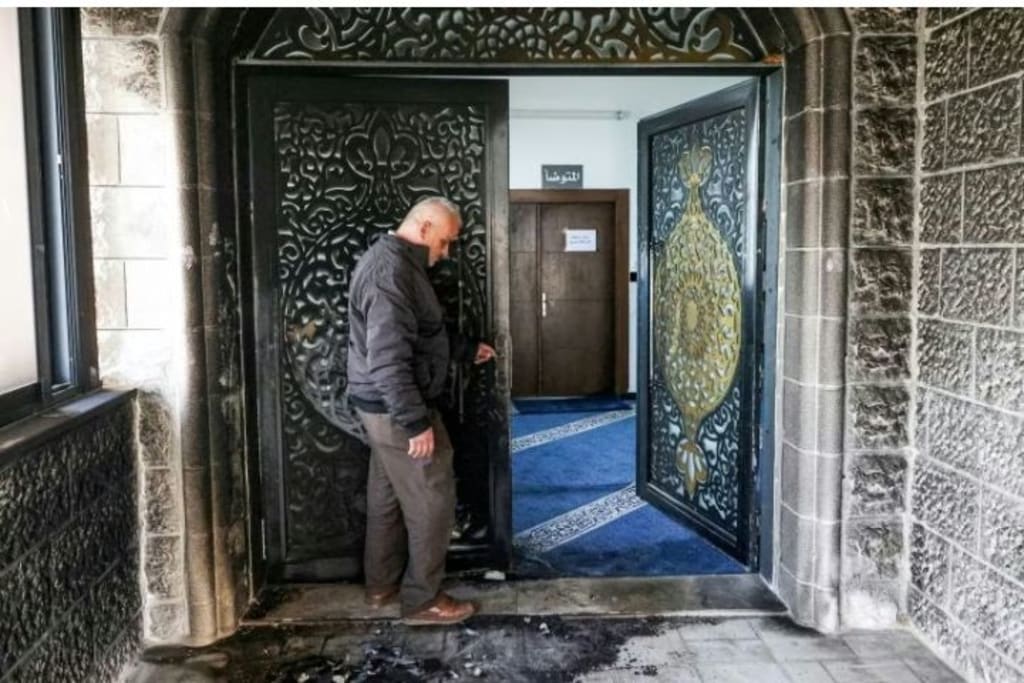
Ramadan is meant to be a time of peace, prayer, and spiritual reflection. Yet for residents of a village in the West Bank, the holy month was overshadowed by violence after a mosque was reportedly defaced and set on fire. The incident, blamed by local residents on Israeli settlers, has intensified concerns about rising attacks on religious sites and the fragile coexistence between communities.
The destruction of a place of worship carries deep emotional weight. Beyond the physical damage, such incidents strike at identity, faith, and the sense of safety that sacred spaces are meant to provide.
What Happened
According to witnesses, villagers discovered the damage before dawn prayers. Smoke filled parts of the building, and graffiti with hostile messages covered the exterior walls. Sections of the prayer hall were burned, damaging carpets, electrical wiring, and religious materials.
Residents quickly worked together to extinguish remaining flames and prevent further destruction. Volunteers later began cleanup efforts, removing debris and salvaging what they could. While the structure remained standing, the psychological impact was immediate.
For worshippers preparing for Ramadan prayers, the sight of their mosque in ruins was both heartbreaking and unsettling.
Ramadan Makes the Incident More Sensitive
Ramadan increases mosque attendance, particularly during evening Taraweeh prayers. An attack during this period carries heightened significance because it disrupts communal rituals and spiritual routines.
Many residents described feelings of fear but also determination. Some insisted that continuing to pray at the damaged mosque was a way to reclaim the space and reject intimidation. Others worried about the possibility of further incidents.
Religious leaders emphasized that sacred spaces should remain off-limits regardless of political tensions. Attacks on mosques, churches, or synagogues risk deepening mistrust and inflaming already sensitive situations.
Political Reactions and Condemnation
Officials in Palestine condemned the attack, calling it a deliberate provocation. They urged international organizations to investigate and ensure accountability, arguing that repeated vandalism against religious sites contributes to instability.
Within Israel, human rights groups also expressed concern, warning that extremist settler violence has become more frequent. While authorities have condemned similar incidents in the past, critics say investigations often move slowly and rarely lead to meaningful consequences.
The lack of consistent enforcement remains a major point of debate among activists and analysts.
Why Religious Sites Become Targets
In long-running conflicts, symbolic locations often become focal points. Places of worship represent history, identity, and community continuity. Damaging them sends a message that extends far beyond physical destruction.
Experts note that attacks on sacred spaces can serve as intimidation tactics, territorial signaling, or attempts to provoke wider confrontation. Even when carried out by small groups, the impact is amplified through media coverage and community response.
Such incidents can trigger cycles of retaliation, making conflict resolution more difficult.
Community Response: Resilience Over Fear
Following the attack, nearby communities organized solidarity gatherings. Donations were collected to repair the mosque, and volunteers worked around the clock repainting walls and replacing burned items.
Images shared on social media drew international attention and statements from advocacy groups urging protection of religious heritage sites. For residents, the rapid support demonstrated that the mosque’s significance extends beyond one village.
The reopening of the building — even partially repaired — became a powerful symbol of resilience.
Security and the Bigger Picture
Security patrols reportedly increased in surrounding areas after the incident. While these measures may prevent immediate escalation, many observers argue they do little to address underlying tensions related to land disputes, political uncertainty, and lack of trust.
The West Bank has long been a flashpoint where local incidents can quickly escalate into broader confrontations. Religious seasons, symbolic anniversaries, and political developments often heighten sensitivity.
Without long-term solutions, communities remain vulnerable to repeated cycles of violence.
The Role of International Attention
Global reactions to attacks on religious sites often shape diplomatic pressure. Advocacy groups stress that protecting cultural and religious heritage is essential for peacebuilding.
When communities feel their identity and sacred places are respected, trust can slowly grow. Conversely, repeated vandalism can entrench division and reinforce narratives of victimhood on all sides.
Calls for transparent investigations and stronger monitoring mechanisms have intensified following the mosque attack.
Faith, Identity, and Everyday Life
For villagers, the mosque is more than a prayer space. It hosts community meetings, educational activities, and moments of celebration and mourning. Damage to such a place disrupts daily life and creates lingering anxiety.
Yet the continuation of prayers despite the damage highlights a recurring theme in conflict zones: ordinary people striving to maintain normalcy. Faith often becomes both comfort and quiet resistance.
During Ramadan, that resilience takes on even deeper meaning.
Conclusion
The defacing and burning of a mosque during Ramadan underscores how fragile sacred spaces can be in areas shaped by prolonged conflict. While the physical damage may be repaired, the emotional and symbolic impact remains.
The incident serves as a reminder that protecting places of worship is not only a religious concern but a humanitarian one. Sacred spaces represent dignity, memory, and belonging — values that transcend political divides.
As restoration continues, community leaders hope the tragedy will lead to greater awareness and stronger protections. Whether that hope translates into lasting change depends on accountability, political will, and the ability of communities to resist escalation.
For now, the call to prayer continues to echo through repaired walls — a quiet declaration that faith endures, even after fire.
About the Creator
Information Security Best Practices Healthcare
Introduction Information security is a critical component of healthcare operations, ensuring the protection of sensitive patient data, maintaining regulatory compliance, and safeguarding organizational reputation. Healthcare organizations, including hospitals, clinics, telehealth practices, and rehabilitation centers, handle large volumes of personal health information (PHI) and financial data. Implementing robust information security practices helps prevent data breaches, cyberattacks, and unauthorized access while supporting patient trust and continuity of care. A proactive approach to security also aligns with industry regulations such as HIPAA, HITECH, and other state-specific requirements.
By Abdul Mueed7 days ago in Journal




Comments
There are no comments for this story
Be the first to respond and start the conversation.