
Dark, Like Our Future: Iranians Describe Scenes of Catastrophe After Tehran’s Oil Depots Were Bombed
Explosions, black smoke, and rising panic—residents of Tehran describe the catastrophic aftermath after oil storage facilities were bombed.
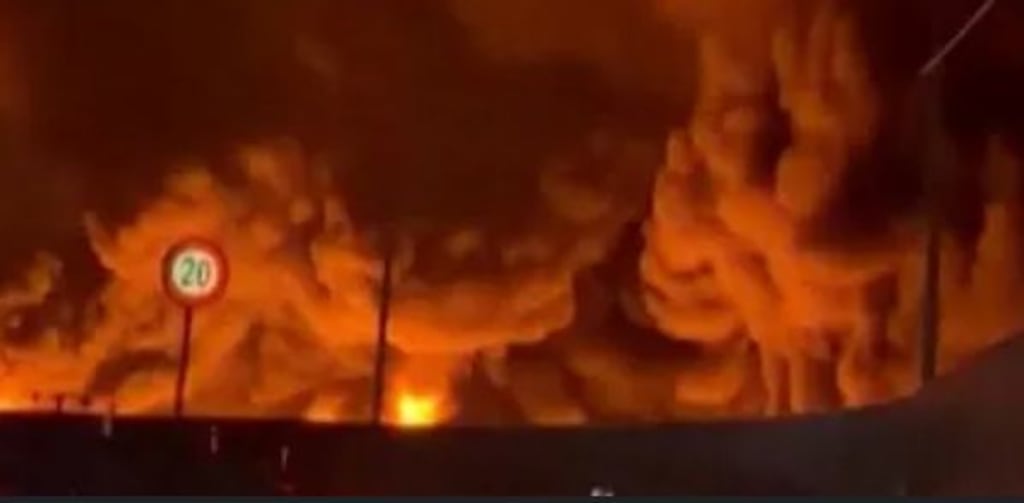
In the hours after the explosions, the sky over the Iranian capital turned dark with thick black smoke. Flames rose from burning fuel tanks, and the air filled with toxic fumes. For many citizens, the scene felt like something from a disaster movie—but it was unfolding outside their windows. One resident described the sky as “dark, like our future,” a haunting phrase that captured the fear now spreading across the city.
This attack did not just damage infrastructure. It shook the lives of millions of people who suddenly found themselves living in a city struggling with pollution, shortages, and uncertainty.
A Night of Explosions
The bombing occurred during the night, when much of the city was asleep. Loud explosions echoed across neighborhoods near key fuel storage facilities, shaking buildings and startling residents awake. Within minutes, massive fires began burning through the oil depots.
Thick columns of smoke quickly climbed into the sky above Tehran, visible from miles away. Emergency crews rushed to the sites, but the fires were extremely difficult to control because of the huge volumes of petroleum stored in the tanks.
Residents living nearby described the moment as terrifying. Windows rattled, alarms sounded, and flames illuminated the skyline. Many people feared that additional strikes might follow.
For hours, firefighters battled the blaze, while authorities attempted to secure nearby areas and prevent the flames from spreading to other industrial facilities.
The Sky Turns Black
By morning, the true scale of the disaster became clear. Instead of the usual bright skyline of the Iranian capital, a dark cloud of smoke hung over the city. The sunlight struggled to break through the haze, casting an eerie gray tone across streets and buildings.
Cars, balconies, and rooftops became covered with black soot drifting down from the burning oil tanks. The smell of smoke spread across the city, making breathing uncomfortable for many residents.
People stepping outside reported irritated eyes, coughing, and headaches. In some neighborhoods, visibility dropped significantly as smoke spread through the air.
Environmental experts warned that burning petroleum releases large amounts of toxic chemicals into the atmosphere. These pollutants can remain suspended in the air for days, especially when wind conditions prevent them from dispersing.
For a city with millions of residents, this sudden drop in air quality quickly became a major health concern.
Fears of Toxic Rain
As firefighters continued battling the flames, another alarming warning emerged. Officials warned that rain mixing with the chemical smoke could create contaminated or acidic rainfall.
Residents were advised to remain indoors as much as possible and avoid direct exposure to rainfall. Health experts suggested covering water containers and protecting food supplies from possible contamination.
Medical professionals also warned about the potential health effects of breathing polluted air. The smoke from burning oil contains microscopic particles and chemicals that can irritate the lungs and worsen respiratory diseases.
People with asthma, heart problems, or other medical conditions were especially vulnerable. Hospitals in some areas reported an increase in patients experiencing breathing difficulties.
Even for healthy individuals, prolonged exposure to polluted air can cause serious health problems.
Panic and Shortages in the City
The bombing of the oil depots quickly began affecting daily life across the city. Fuel supplies were disrupted as damaged facilities halted distribution. Within hours, long lines formed at gas stations as drivers rushed to fill their tanks.
Authorities introduced limits on how much fuel each vehicle could purchase to prevent panic buying.
Meanwhile, pharmacies and stores saw a surge of customers searching for face masks, inhalers, and air filters. Some shops ran out of protective supplies within a single day.
Food prices also began to rise as transportation delays and uncertainty disrupted supply chains.
For many families already dealing with economic hardship, the sudden spike in prices created an additional burden.
Small business owners also worried about how long the disruption would last. Restaurants, shops, and transportation services all depend heavily on fuel availability.
The Human Side of War
While governments debate strategy and military targets, ordinary citizens often bear the greatest cost of war. For the people living in Tehran, the bombing of oil depots was not just a strategic strike—it was a direct attack on the infrastructure that supports everyday life.
Parents worried about the air their children were breathing. Elderly residents struggled with the polluted environment. Workers faced uncertainty about transportation and employment.
Many residents expressed frustration and fear about the escalating conflict between Iran and Israel. Some felt trapped between global political tensions and the realities of living in a city affected by war.
Communication problems made the situation even more stressful. Internet disruptions and limited access to reliable information left many people unsure about what was happening or what might come next.
Psychological Impact on Residents
Beyond the physical damage and environmental hazards, the emotional toll of the attacks has been significant.
Many people reported difficulty sleeping after the explosions. The fear of additional strikes or further escalation created constant anxiety.
Children were frightened by the sounds of explosions and the sight of flames in the distance. Families attempted to comfort each other while staying alert for new developments.
For some residents, the dark smoke above the city became a powerful symbol of uncertainty. It represented not only the destruction caused by the bombings but also the unpredictable future facing the region.
Looking Ahead
Emergency teams continue working to extinguish the fires and assess the damage. Environmental experts are monitoring air and water quality to determine the long-term impact of the burning oil facilities.
However, rebuilding damaged infrastructure and restoring normal life may take considerable time.
If the conflict continues and additional attacks occur, the situation could become even more challenging for the people of Tehran.
For now, residents are doing their best to adapt. Communities are sharing resources, checking on neighbors, and trying to maintain some sense of normalcy amid the chaos.
Conclusion
The bombing of oil depots in Tehran has transformed a military confrontation into a humanitarian and environmental crisis. Fires, toxic smoke, and economic disruption have placed millions of people in a difficult and uncertain situation.
While political leaders and military planners debate the next steps in the conflict between Iran and Israel, the citizens of Tehran continue to face the immediate consequences.
For many of them, the image of a smoke-covered sky will remain unforgettable—a symbol of how quickly life can change when war reaches the heart of a city.
And as one resident quietly observed while watching the dark clouds drift across the capital, the sky above Tehran felt more than just polluted.
It felt like a warning about the future.
About the Creator
Circadian Rhythm Doesn’t End When You Walk Indoors
Most people think of circadian rhythm as something connected primarily to daylight and nighttime. The rising sun signals the body to wake up. The darkness of evening encourages rest. For thousands of years, this natural cycle regulated how humans slept, worked, and recovered.
By illumipureabout 20 hours ago in Journal



Comments
There are no comments for this story
Be the first to respond and start the conversation.