
Bus Seat Market: Comfort and Performance on the Move
How seating technology is shaping passenger experience and fleet modernization
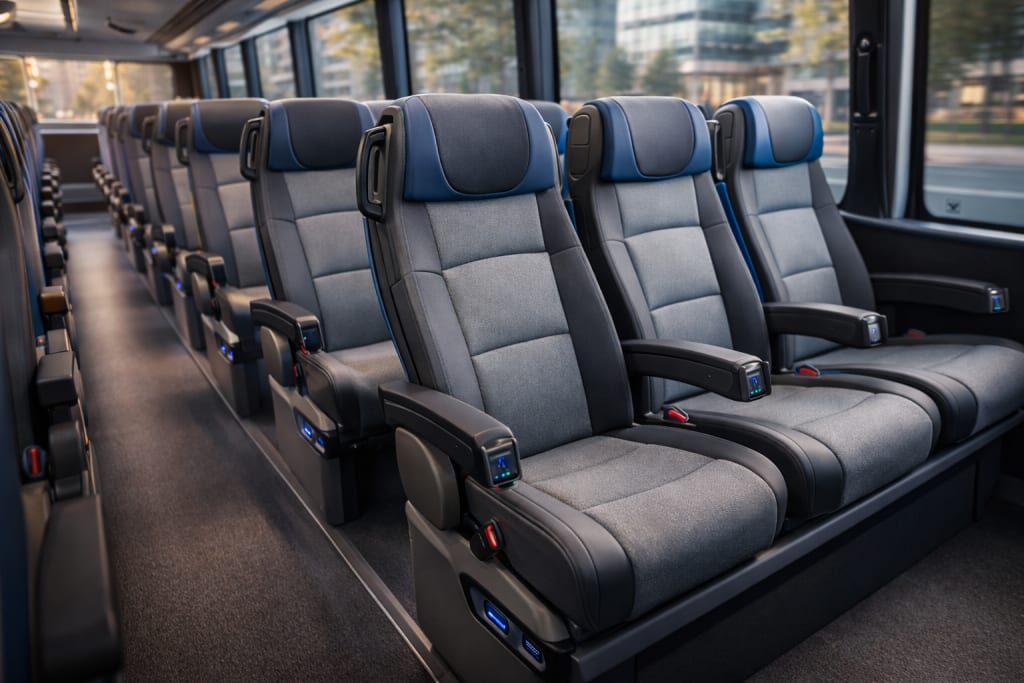
You board a bus at rush hour. The ride ahead will be long, but the moment you sit, you notice the seat feels supportive. The cushion adjusts with your posture. A built-in USB port lets your device charge. Comfort is no longer an afterthought. It is part of the journey.
Seats inside buses are evolving just like vehicles themselves, becoming smarter, lighter, and more passenger friendly. Behind this transformation lies the Bus Seat Market, a sector where design, comfort, safety, and innovation come together to upgrade how people travel in public and commercial transit.
Why Seats Are More Than Places to Sit
Bus seats do more than support a passenger’s weight. They influence comfort levels, safety ratings, and long distance fatigue. Operators competing for ridership are investing in seats that offer better ergonomics, lightweight materials, and passenger-centric features. Electric buses impose additional requirements because every extra kilogram matters for range and efficiency.
According to Mordor Intelligence, the Bus Seat Market size is expected to grow from about USD 15.74 billion in 2026 to an estimated USD 20.49 billion by 2031, advancing at around a 5.42 percent compound annual growth rate during that period. This reflects rising demand for transit upgrades, fleet electrification, and passenger expectations for comfort and quality.
Inside the Bus Seat Market Structure
The Bus Seat industry includes a wide range of seating types, materials, and components used across different bus categories.
In 2025, standard seats accounted for over 53 percent of the market share, driven by cost effectiveness and durability for urban transit operations. Recliner seats are growing faster with an 8.78 percent CAGR as comfort becomes a premium differentiator in intercity and long distance travel.
By component, frame parts made up about 48 percent of revenue in 2025, while smart accessories and sensor modules are expanding at a double digit rate, reflecting demand for USB charging, seat occupancy detection, and ergonomic adjustments.
Transit and city buses held the largest share of demand, followed by coaches and school buses. Medium capacity buses with 41-70 seats captured a majority of revenue in 2025, and this seating bracket is advancing quickly as operators balance passenger throughput with interior quality.
Trends Driving Seating Innovation
Several Bus Seat Market trends are shaping passenger experience and product design.
• Lightweight materials are being used to support electric buses by reducing weight and preserving range.
• Smart accessories like USB ports, built in lights, and sensors for occupancy tracking are becoming more common.
• Recliner and premium seats are gaining traction in intercity and coach segments.
• Aftermarket retrofit solutions are expanding as operators modernize older fleets.
These trends show that seats are no longer simple hardware components. They are part of a broader move toward passenger centric services in public and commercial transport.
Challenges and Market Dynamics
While demand is strong, the market faces challenges such as material cost volatility, safety regulation compliance, and balancing durability with comfort. Suppliers must meet stringent crash resistance and fire retardancy standards while also delivering lightweight and comfortable products.
Asia Pacific led with around 41.9 percent revenue share in 2025, driven by rapid urbanization and expanded transit investment. Europe and North America followed, with operators focusing on fleet upgrades and premium interior features. Africa and South America contributed smaller but growing markets as infrastructure development accelerates.
Market Forecast and What Lies Ahead
The Bus Seat Market forecast points to continued expansion supported by electrification mandates, smart city transit investments, and rising passenger expectations. As operators pursue efficiency and comfort, bus seats will evolve toward lighter materials, modular designs, and smart functions that contribute to both vehicle performance and passenger satisfaction.
This evolution reflects a shift in priorities. Seats are no longer basic fittings. They are meaningful elements of the passenger experience.
About the Creator
Keep reading
More stories from james robert and writers in Journal and other communities.
Aircraft Fuel Systems Market: What Keeps Aircraft Flying High
High above the clouds, a narrow tube of metal pushes through thinner air, carrying hundreds of souls and thousands of pounds of fuel. What most passengers never see is the intricate system of tanks, pumps, valves, and sensors that deliver energy from ground to cruising altitude.
By james roberta day ago in Journal




Comments
There are no comments for this story
Be the first to respond and start the conversation.