
Bringing the Creepy to Horror: Inside the Sound of Fresh Meat
Score Recording & Mixing Engineer Syllous Mai Contributes to “groundbreaking 360 VR experience”

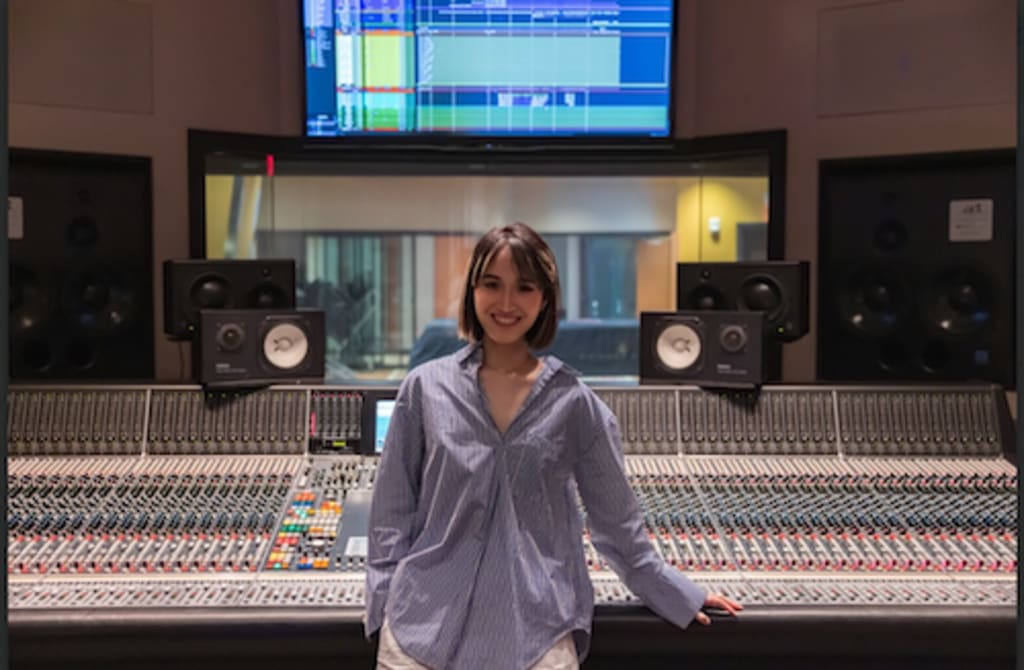
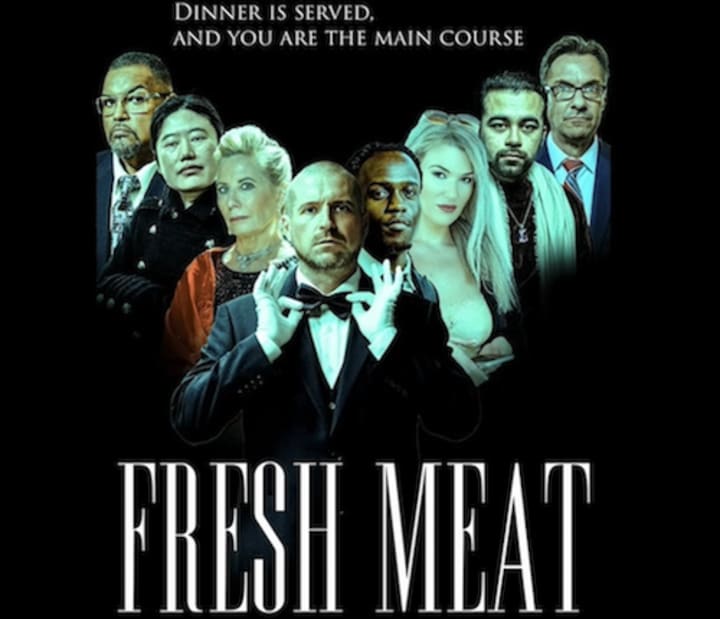
In the trailer for the VR movie, Fresh Meat, spooky sounds thrust the viewer right into the story before any scary visuals are seen by the audience…and then you “take your seat at the dining table…”
Fresh Meat was an award-winner at the Shockfest Adventure event, and indeed horror/chiller movies are the rage these days.
Director Alexis Evanoff described her horror serving, Fresh Meat, as a “groundbreaking 360 VR experience” that propels you into a chilling scenario where you are served up on a silver platter to a room filled with ravenous, self-absorbed dignitaries.
But as much as a horror movie’s visuals can be striking, sound is often just as important in a horror’s success. For example, the big screen horror-thriller Sinners, was nominated for 16 Academy awards, including three related to sound, Best Original Song, Best Original Score, and Best Sound.
So, the overall impact of the movie’s sound is that it serves as a primary engine for immersive storytelling, atmosphere, and emotional depth.
Indeed, one tune in Sinners, a 19th-century folk song called “The Rocky Road to Dublin” will make your blood chill. In the movie, a bloody and villainous Jack O’Connell eerily sings the opening notes to what’s nicknamed the “Irish Vampire” song. He sings unaccompanied initially, then the tune breaks into an incredibly scary jig with vampires besieging the juke joint party.
When creating music for horror, sound teams often draw from a long lineage of sonic techniques designed to unsettle audiences. Some of the most iconic moments in film history are defined not by dialogue or visuals, but by sound. The low-register, two-note motif from Jaws remains one of cinema’s most recognizable signals of impending danger. Likewise, Bernard Herrmann’s all-strings score for Alfred Hitchcock’s Psycho redefined psychological terror, using shrieking violins and sharp dissonance to create unease that lingers decades later.
These works established a vocabulary of tension: sparse orchestration, high-register string attacks, rhythmic restraint, and tonal instability. In contemporary horror, those same principles continue to shape how fear is constructed and sustained.
The VR horror short Fresh Meat builds upon this tradition. Its score relies heavily on strings, echoing the stark intensity of Psycho’s revolutionary all-strings approach. Rather than overwhelming the viewer with dense orchestration, the music uses texture, dynamic contrast, and register to create a sense of psychological pressure. Sustained tones, subtle dissonances, and carefully controlled crescendos heighten the film’s atmosphere, reinforcing the narrative’s unsettling premise.
Unlike traditional horror films, Fresh Meat operates in an immersive VR format. This significantly alters the role of music. In VR, sound is not confined to a rectangular frame, it surrounds the audience. The score must therefore balance immersion with clarity, ensuring that tension builds without interfering with dialogue or spatial realism. The music becomes part of the environment, shaping emotional response while maintaining technical precision within a 360-degree soundscape.
The film’s threat is experiential: the viewer is placed in a vulnerable position, surrounded by diners intent on consuming them. Music enhances that vulnerability by subtly manipulating space and tone. A slightly altered piano timbre, unexpected harmonic shifts, and carefully mixed string layers contribute to a feeling of discomfort that feels organic rather than theatrical.
Serving as Score Recording and Mixing Engineer on Fresh Meat, Syllous Mai was a key architect in shaping this sonic environment. Her work involved capturing performances with clarity, organizing complex recording sessions, and crafting a mix that supported both the narrative and the technical demands of VR exhibition. The predominantly string-based score required particular attention to tone, dynamic balance, and spatial placement to maintain tension without overwhelming the immersive format.
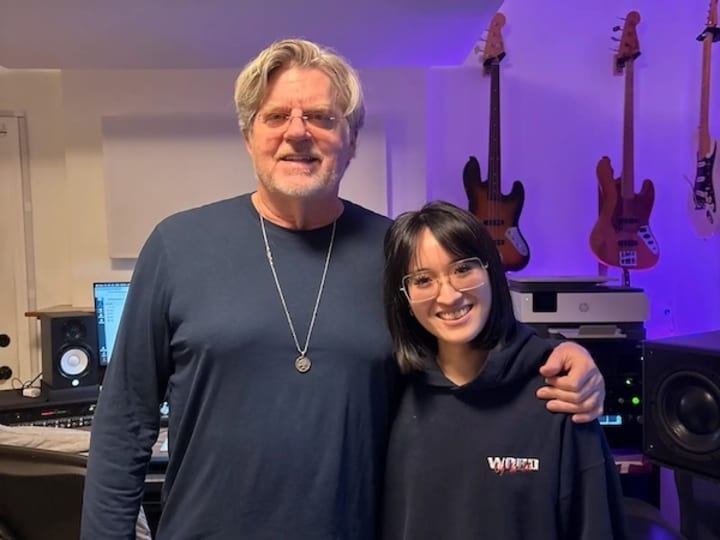
Working alongside Emmy-nominated composer and record producer Philip Giffin, Mai helped translate the compositional vision into a cohesive auditory experience. The project required careful consideration of how sound would translate into a 360-degree environment, ensuring that musical elements felt natural and integrated within the virtual space.
“Syllous Mai always impresses me. She can simultaneously work on video editing software, along with several digital audio workstations. I feel incredibly lucky to have her contribute to our busy music company.”—Emmy nominated composer, record producer and music director Philip Giffin
As immersive media continues to evolve, projects like Fresh Meat demonstrate how contemporary sound professionals are expanding upon the foundations laid by classic horror scores. By merging traditional string-driven tension with modern spatial mixing techniques, the film stands as an example of how horror music continues to adapt, remaining rooted in its past while embracing new technological frontiers.
About the Creator
ashley collie
Award-winning journalist-author-blogger has written for Playboy, Sports Illustrated, Hello! Canada, HuffPost, Medium, BBN Times, & has his books, Harlem to Hollywood, and REJEX, available on Amazon.
Keep reading
More stories from ashley collie and writers in Interview and other communities.
Having earned a Best Actress Award for short movie, Mental Hellth, actor Ana Roza revels in “one-shot” projects
Some of most interesting moments in acting can happen when you think there is nothing left to lose “Mental Hellth was similar to Silent, which I previously filmed, as both films are just one long sequence without any cuts. I find one-shot films fascinating, that's why I like doing them, because as an actor you can’t make any mistakes or you have to stop and start again. But if the mistake is small, I usually prefer to keep going because I know some of the most interesting moments in acting can happen when you think there is nothing left to lose because the take won't be used anyway.”—actor Ana Roza
By ashley collie4 months ago in Interview
Part 2 Interview With Joe Patterson, Author Of Melanin Memoirs
This is my second interview with Joe Patterson. His 4th anniversary writing on Vocal will be in March 2026. He has one achievement on Vocal, The Other Foot. He has over 17,000 reads on Vocal since he started on Vocal in 2022. Joe Patterson is very creative poet and rapper. Joe is deep thinker and I feel it is reflected in his latest published book, Melanin Memoirs.
By Mariann Carroll11 days ago in Interview
Brittany Jones Minor Recognized for Advancing Women’s Fitness, Emotional Wellness, and Community Empowerment
PHILADELPHIA — Community driven wellness leaders continue shaping how women approach health, confidence, and personal growth through structured support and shared accountability. Across Philadelphia, grassroots initiatives centered on movement, emotional awareness, and personal development are helping women build strength in multiple areas of life.
By Kendra Hall4 days ago in Interview




Comments
There are no comments for this story
Be the first to respond and start the conversation.