

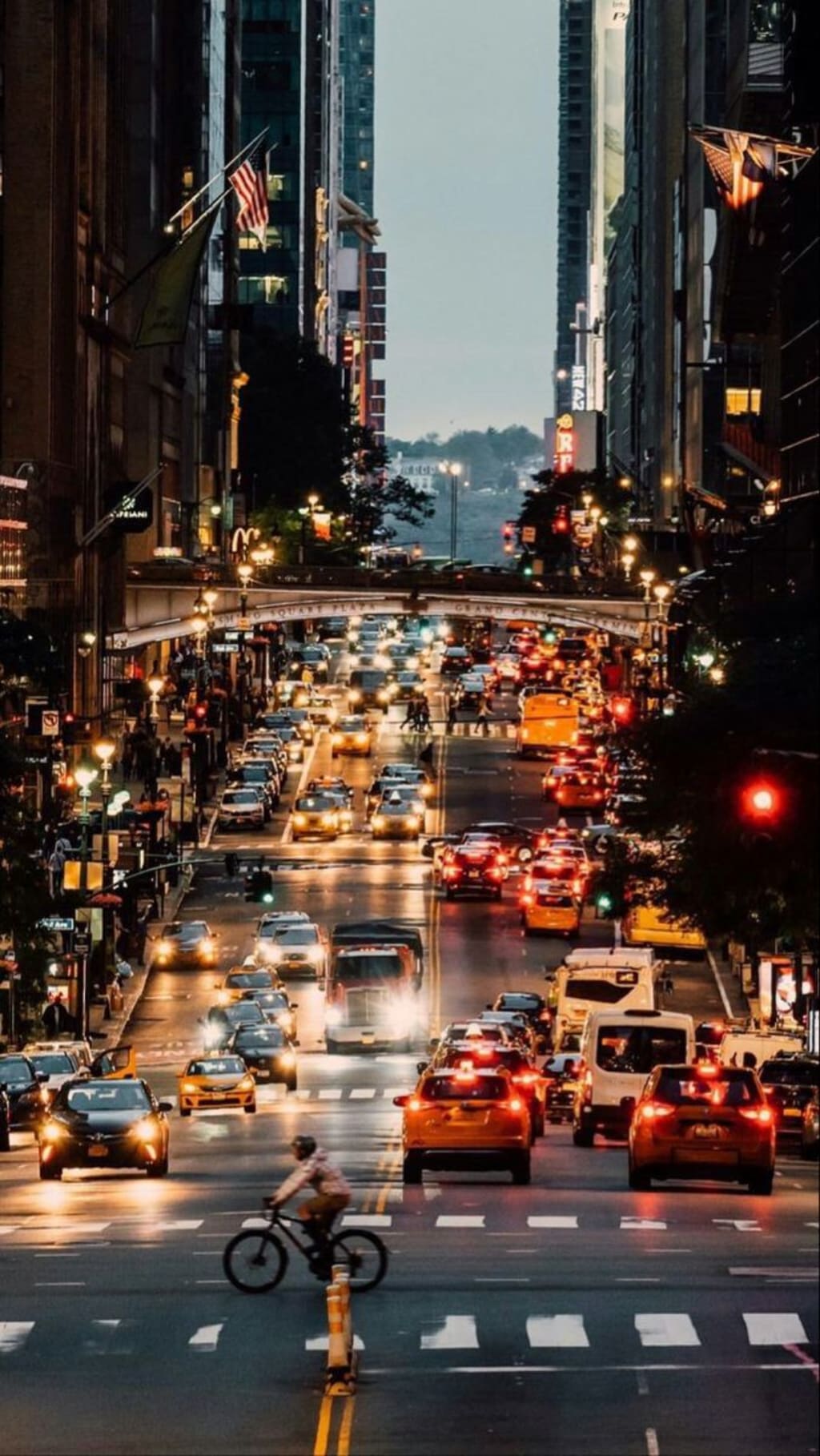
Traffic jams are a common experience for commuters worldwide, leading to frustration, delays, and economic losses. Understanding the causes, effects, and potential solutions to traffic congestion can help mitigate its impact and improve urban mobility.
One of the primary causes of traffic jams is the sheer number of vehicles on the road. Urban areas, particularly during rush hours, often experience volumes that exceed the capacity of the infrastructure. This is especially true in cities with rapidly growing populations and limited public transportation options. The increase in private vehicle ownership further exacerbates the situation.
Accidents, breakdowns, or other incidents can cause sudden bottlenecks, leading to significant delays. Even minor fender benders can create a ripple effect, slowing down traffic for miles. Emergency response vehicles and rubbernecking by other drivers can compound the problem, causing even longer delays.
Ongoing construction or maintenance work can reduce the number of available lanes, slowing down traffic flow. Planned or unplanned roadworks often lead to detours and lane closures, which can confuse drivers and disrupt regular traffic patterns.
Inefficient traffic signals, lack of proper signage, and inadequate law enforcement can exacerbate congestion. In some cases, outdated infrastructure and poorly designed intersections contribute to traffic jams, making it difficult for traffic to flow smoothly.
Adverse weather conditions like heavy rain, snow, or fog can reduce visibility and road traction, slowing down traffic. Natural events such as floods, landslides, or hurricanes can also cause road closures and severe disruptions to traffic flow.
Delays caused by traffic congestion result in lost productivity, increased fuel consumption, and higher transportation costs. Businesses may face delays in deliveries, and employees may arrive late to work, affecting overall economic efficiency.
Prolonged idling in traffic contributes to air pollution and greenhouse gas emissions, negatively affecting the environment. The increased emission of pollutants such as carbon dioxide, nitrogen oxides, and particulate matter can harm public health and contribute to climate change.
Being stuck in traffic can lead to increased stress levels, frustration, and even long-term health problems such as hypertension. The mental toll of daily congestion can affect drivers' mood and behavior, leading to road rage and aggressive driving.
Time spent in traffic is time lost that could be used for more productive or enjoyable activities, affecting overall quality of life. Long commutes can reduce time spent with family, hinder social interactions, and limit opportunities for leisure and exercise.
Improving the availability and efficiency of public transportation can reduce the number of private vehicles on the road. Investments in buses, trains, and subways can provide reliable and affordable alternatives to driving, easing congestion during peak hours.
Encouraging carpooling and the use of ride-sharing services can decrease the number of vehicles during peak hours. Initiatives like high-occupancy vehicle (HOV) lanes and carpool apps can incentivize people to share rides, reducing overall traffic volume.
Implementing smart traffic signals and real-time traffic monitoring can optimize traffic flow and reduce congestion. Advanced technologies such as artificial intelligence and machine learning can predict traffic patterns and adjust signals accordingly, improving efficiency.
Expanding road capacity, constructing bypasses, and developing alternative routes can help accommodate increasing traffic volumes. Strategic urban planning and investment in road networks can prevent bottlenecks and ensure smoother traffic movement.
Encouraging walking, cycling, and the use of electric scooters can reduce dependency on motorized vehicles. Building dedicated bike lanes, pedestrian paths, and ensuring safety measures for non-motorized transport users can make these options more attractive and practical.
Traffic jams are a multifaceted problem requiring a combination of short-term and long-term strategies to address effectively. By understanding the underlying causes and implementing comprehensive solutions, cities can alleviate congestion, reduce its adverse effects, and enhance the overall quality of urban life. Collaboration between government authorities, urban planners, and the public is essential to create sustainable and efficient transportation systems that meet the needs of growing urban populations.
About the Creator
Tasnuba Humayra
I am a storyteller with a love for exploring new ideas and sharing them through writing ✨ diving into a good book 📚 travel adventures ✈️ life’s everyday moments ☕......
Keep reading
More stories from Tasnuba Humayra and writers in Humans and other communities.
Why People Watch Anime
Anime, a term used to describe animated works originating from Japan, has captivated audiences worldwide for decades. The reasons why people watch anime are as varied and unique as the viewers themselves. This article explores the multifaceted appeal of anime and why it continues to grow in popularity.
By Tasnuba Humayraabout a year ago in Fiction
Cabin Fever Because of Snow, Sleet, and Freezing Rain That Turned to Icy Roads
What Is Cabin Fever? The short answer is that cabin fever is restlessness from being in a confined area. Cabin fever is the distressing irritability or restlessness experienced when a person or group is stuck at an isolated location or in confined quarters for an extended time. Research shows that prolonged cold, gray skies, and being stuck indoors can trigger mood shifts similar to “winter blues.”
By Margaret Minnicks7 days ago in Humans
An Honest Update on Nancy Guthrie and Her Ongoing Journey
Some stories stay with us not because they are loud, but because they are quiet and true. When people search for an update on Nancy Guthrie, they are often looking for more than news. They are looking for reassurance, reflection, and meaning. Nancy Guthrie has long been a familiar voice to those walking through grief, faith, and unanswered questions. Her life and work sit at the intersection of deep loss and steady hope. This article offers a thoughtful update on Nancy Guthrie, focusing on where she is today, what she continues to do, and why her presence still matters to so many people who feel seen through her words.
By Muqadas khan3 days ago in Humans



Comments
There are no comments for this story
Be the first to respond and start the conversation.