
The Untold Story of Todd Meadows’ Final Climb
Some stories stay with you long after you hear them. Not because they are loud or dramatic, but because they feel painfully human. The story of Todd Meadows is one of those.

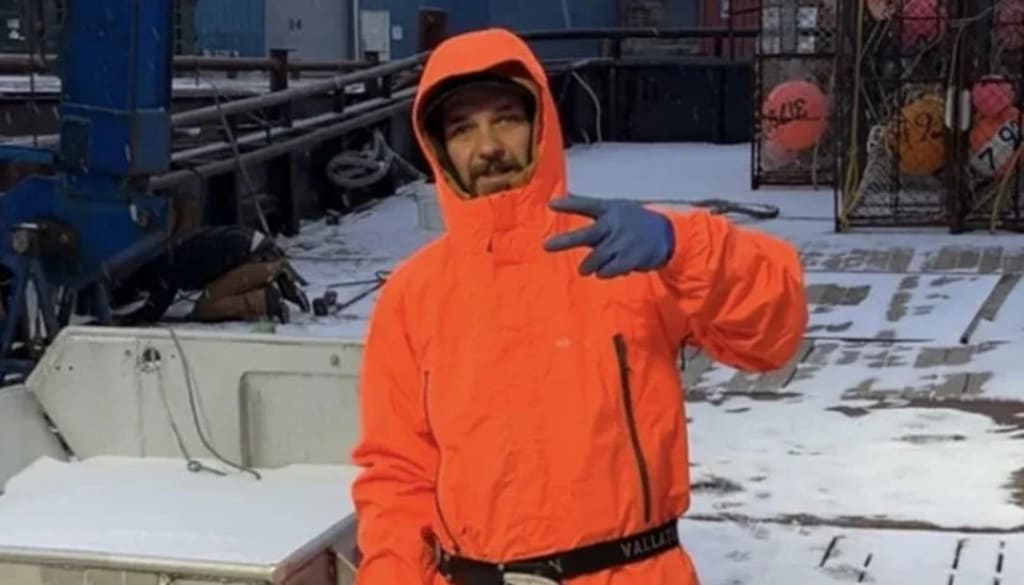
Some stories stay with you long after you hear them. Not because they are loud or dramatic, but because they feel painfully human. The story of Todd Meadows is one of those. It is about a man who loved the mountains, who chased silence and snow, and who paid the highest price doing what he believed in. When people search for Todd Meadows, they often want details. What happened? Why did it happen? Who was he beyond the headlines? But behind every search result is a family, a passion, and a life that mattered. This article looks beyond the brief news reports and explores who Todd Meadows was, what drove him to climb, and why his final journey still touches so many hearts.
Who Was Todd Meadows?
Todd Meadows was an American mountaineer and outdoor guide who built his life around the mountains. He was not a celebrity in the usual sense. He did not chase attention. Instead, he chased summits.
He worked as a high-altitude guide and had years of experience leading climbers through some of the most dangerous terrain in the world. Friends described him as steady, skilled, and deeply connected to nature. He was the kind of person who felt more at home on a ridge line than in a city street.
For Todd Meadows, climbing was not about fame. It was about commitment, discipline, and love for wild places.
The Mountain That Changed Everything
In May 2024, Todd Meadows was guiding clients on Mount Everest. For many climbers, Everest represents the peak of ambition. It is the highest point on Earth, but it is also one of the most unforgiving environments a human can enter.
During the descent from the summit, Todd Meadows began to show signs of serious altitude-related illness. Reports later suggested he may have suffered a cerebral event at extreme altitude. At over 8,000 meters, even small medical issues become life-threatening.
Despite efforts from his team and other climbers nearby, Todd Meadows died high on the mountain.
His death was a shock to the climbing community. Guides are trained for risk. They prepare for emergencies. But Everest does not always allow second chances.
Why Everest Is So Dangerous
It is easy to underestimate the danger when you see polished summit photos. Blue skies. Smiling faces. Flags waving in thin air.
But above 8,000 meters lies what climbers call the death zone. At that altitude, the human body begins to shut down. Oxygen levels are too low to sustain life for long periods. Even with supplemental oxygen, decision-making slows. Muscles weaken. The brain struggles.
A simple stumble can become fatal. A minor headache can turn into swelling in the brain. A delay of minutes can mean the difference between survival and tragedy.
Todd Meadows knew these risks. Every experienced guide does. Yet knowledge does not cancel danger.
The Role of a High-Altitude Guide
When people hear about the death of Todd Meadows, one question often arises. Why would someone with so much experience still be at risk?
The answer lies in the role of a guide.
High-altitude guides do far more than lead the way. They carry extra gear. They fix ropes. They monitor clients for signs of sickness. They make difficult decisions under pressure. Often, they put others’ safety before their own comfort.
Imagine climbing for weeks in freezing temperatures, sleeping in thin tents, eating little, and constantly watching your oxygen levels. Then add the responsibility of protecting others.
That was Todd Meadows’ reality.
Guides sometimes push their limits to ensure their clients succeed and return safely. That responsibility can weigh heavily, especially near the summit, where exhaustion peaks.
The Human Side of Todd Meadows
News articles often reduce a person to a headline. But Todd Meadows was more than a guide who died on Everest.
He was a husband and a father. He had people waiting for him at home. He had dreams beyond the mountain.
Friends have spoken about his kindness and sense of humor. They described someone who took climbing seriously but did not take himself too seriously. He valued teamwork. He respected the mountains.
It is important to remember this human side. Behind every tragedy in extreme sports is a family living with silence where a voice used to be.
The Culture of High-Risk Adventure
The story of Todd Meadows also opens a wider conversation. Why do people climb mountains like Everest in the first place?
For some, it is personal achievement. For others, it is spiritual. There is something deeply moving about standing above the clouds, surrounded by vast white silence.
Climbers often speak about clarity. On a mountain, distractions disappear. You focus on breath, step, rope, snow. Life becomes simple and immediate.
But that simplicity comes at a cost.
Modern Everest expeditions can cost tens of thousands of dollars. There are fixed ropes, weather forecasts, and commercial support. Yet even with all this, the mountain remains dangerous.
Todd Meadows understood this balance. Passion and risk often walk side by side.
How the Climbing Community Responded
After the news of Todd Meadows’ death spread, tributes poured in from climbers around the world.
Many shared stories of climbs they had completed under his guidance. Others spoke about his professionalism and calm presence during stressful moments.
In high-altitude mountaineering, trust is everything. You trust your guide with your life. The fact that so many climbers expressed gratitude says a lot about the respect Todd Meadows earned.
The climbing community is small and tightly connected. Loss hits hard.
The Physical Toll of High Altitude
To understand what happened to Todd Meadows, it helps to understand what extreme altitude does to the body.
At sea level, oxygen saturation in the blood is high. Muscles and the brain receive what they need. But as altitude increases, air pressure drops. Oxygen molecules become scarce.
Above 8,000 meters, even simple actions feel exhausting. Climbers move slowly, sometimes taking a breath for every step.
Altitude sickness can appear in different forms. There is high-altitude pulmonary edema, where fluid fills the lungs. There is high-altitude cerebral edema, where the brain swells.
Symptoms can escalate quickly. Confusion. Loss of coordination. Severe headache. Collapse.
Even strong, experienced climbers are vulnerable.
The Thin Line Between Passion and Risk
When people outside the climbing world hear about deaths on Everest, they often ask if it is worth it.
It is a fair question.
Why risk everything for a summit photo?
But for climbers like Todd Meadows, the mountain was not just a trophy. It was a calling. It was a place where they felt fully alive.
Risk exists in many professions. Firefighters enter burning buildings. Pilots fly through storms. Surgeons operate under pressure.
High-altitude guides accept that risk as part of their work. They train for it. They respect it. Yet they cannot eliminate it.
Media Attention and Public Curiosity
When someone searches for Todd Meadows online, they often find brief updates and scattered reports. In today’s digital world, tragedies spread quickly, then fade.
But families continue to grieve long after headlines disappear.
There is a strange tension between public curiosity and private pain. People want answers. They want to understand what happened on the mountain.
At the same time, loved ones are processing loss that feels impossible to explain.
Remembering Todd Meadows with respect means focusing not only on how he died, but how he lived.
Lessons from the Mountains
The life and death of Todd Meadows offer quiet lessons.
First, experience does not erase danger. Even experts face forces larger than themselves.
Second, passion can shape a life in powerful ways. Todd chose a path few people would dare to walk.
Third, nature demands humility. Mountains do not bend to human plans. Weather shifts. Bodies weaken. Conditions change without warning.
Climbers often say the summit is optional, but returning home is mandatory. It is a reminder that survival matters more than glory.
The Emotional Weight on Families
Behind every expedition is someone waiting at home.
For the family of Todd Meadows, Everest is no longer just a distant peak. It is the place where their lives changed forever.
Grief in such cases can feel complex. There is pride in the person’s courage and skill. There is anger at the risk. There is longing for one more conversation.
Children grow up with stories instead of memories. Partners hold onto final messages sent from base camp.
These emotional realities are often missing from public discussions about extreme sports.
Why Stories Like This Matter
You might wonder why it is important to revisit the story of Todd Meadows.
Because it reminds us that adventure is deeply human. It shows how love for something can shape an entire life. It forces us to think about risk, responsibility, and meaning.
We live in a time where achievements are shared instantly online. Summit photos travel across social media in seconds.
But behind every photo is effort, fear, and sometimes sacrifice.
Understanding this gives depth to the image.
The Future of Everest Expeditions
Everest continues to draw climbers from around the world. Each season brings new hopefuls.
There are ongoing debates about overcrowding, commercial guiding, and safety standards. Some argue that stricter regulations are needed. Others believe personal choice should remain central.
The death of experienced guides like Todd Meadows adds urgency to these discussions.
How much risk is acceptable? Who decides? And how can safety improve without stripping away the spirit of exploration?
These questions do not have simple answers.
Remembering Todd Meadows
When you search for Todd Meadows, you may be looking for facts. Dates. Causes. Reports.
But beyond those details is a life shaped by snowfields and high camps. A man who believed in leading others to places they once thought impossible.
He stood on ridges where the world curved below him. He breathed air so thin it felt unreal. He guided strangers who trusted him with everything.
His story is not only about loss. It is about devotion to a craft that demands courage and respect.
A Final Reflection
Mountains have always drawn people toward them. They promise perspective. They test limits. They offer silence in a noisy world.
Todd Meadows answered that call again and again.
His final climb reminds us that nature remains powerful and unpredictable. It reminds us that passion carries both beauty and danger.
Most of all, it reminds us that behind every headline is a human being with a story worth telling fully and carefully.
If we remember Todd Meadows not just for how his life ended, but for how he lived it, then his legacy reaches beyond Everest’s icy slopes.
And maybe, in that quiet remembrance, we find a deeper respect for the mountains and for the people who choose to climb them.
About the Creator
Muqadas khan
Hi! Welcome to my Vocal page. I’ll be sharing fresh articles every day covering stories, ideas, and a bit of inspiration to brighten your feed. Thanks for reading and supporting daily writing! 📖💫
Keep reading
More stories from Muqadas khan and writers in Humans and other communities.
Nancy Mace: Courage, Conflict, and Political Crossroads
Politics often feels distant until one name keeps appearing in headlines. Nancy Mace is one of those names. Whether people agree with her or strongly oppose her, they rarely ignore her. Her story carries tension, ambition, and moments of public controversy that reveal how demanding modern politics can be. From personal struggles to national debates, Nancy Mace has built a profile that sparks emotion on both sides of the aisle. She stands at the intersection of conservative values, media attention, and shifting voter expectations. Understanding Nancy Mace is not just about party lines. It is about examining how one politician navigates loyalty, criticism, and the constant pressure of public life.
By Muqadas khana day ago in Humans
A Historic Declaration
We the People of the Husbands of the United States of America, in Order to form a more perfect Union, and I mean you...with me...establish Justice, insure domestic Tranquility, provide for the common defence, promote the general Welfare, and secure the Blessings of Liberty to ourselves, after Puberty, do ordain and establish this Declaration of Co-Dependence.
By Gerard DiLeo6 days ago in Humans


Comments
There are no comments for this story
Be the first to respond and start the conversation.