
Recognizing Signs Of A Cheater Early Prevents Emotional Pain And Heartbreak
Recognizing signs of a cheater early helps prevent emotional pain, betrayal, and deeper heartbreak later.

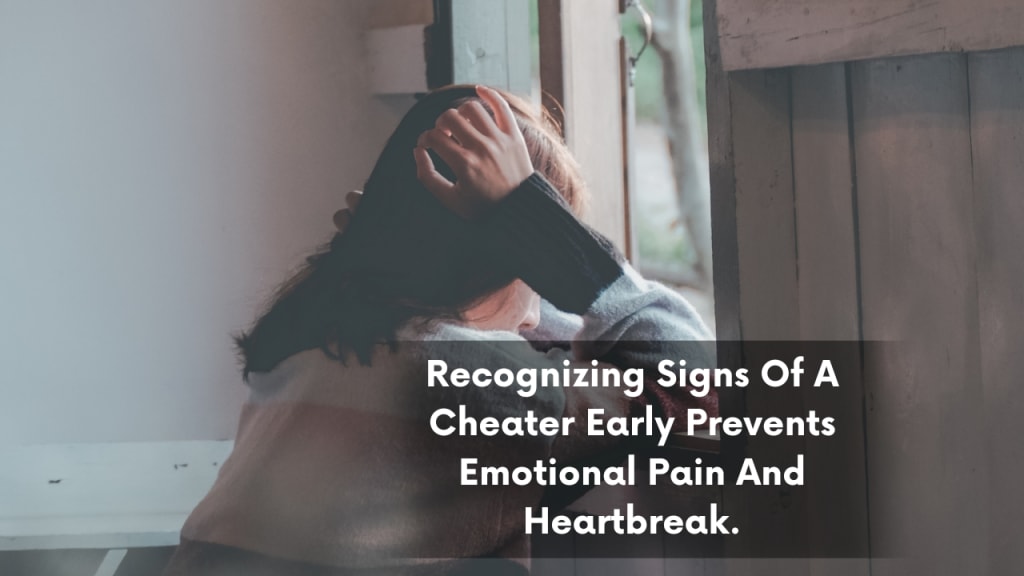
One of the greatest pillars of a healthy relationship is trust. Cheating on the partner will lead to severe emotional trauma, disappointment, and may lead to irreparable harm to his or her self-confidence. By learning to identify the signs of a potentially unfaithful partner early, the people will be able to save themselves plenty of painful emotions. Although not all suspicious behaviors imply that a person is cheating, some of them can be signs of dishonesty or concealed activities. It is through these signals that being aware enables individuals to work on issues at hand at an early stage and make wise judgments regarding their relationships.
The ability to be able to recognize warning signs does not involve being paranoid or being too suspicious. Rather it is a matter of observation to regular changes in behavior that appear abnormal or clandestine. The relationships which are healthy are based on honesty, transparency and respect. Once these elements start fading something might be amiss. The early detection of these signs enables couples to talk directly, clarify points or avoid unhealthy relationships, before emotional harm can be even greater. Self-awareness and emotional intelligence will save those people the struggle of enduring suffering and protecting their esteem in the relationship.
Acute Modifications in Communication.
A specific change in the type of communication is one of the first indicators of the possible cheating. A spouse who has been open and communicative may abruptly become closed, unclear or even defensive when queries are posed to him or her on simple matters. The dialogues can become shorter or less valuable, and emotional attachment can begin to break. These developments may confuse or distance the other partner.
Inconsistent patterns of communication is another red flag. As an illustration, a person who was once very fast in responding to messages can one day turn out to be inaccessible at long durations without clear reasons. They can evade talking about their day or give ambiguous answers. Although it is natural to have the occasional alterations in communication, regular avoidance or secrecy can be an indication that there is something that is being concealed. Listening to such changes can assist in detecting the possible problems in time.
Greater Secrecy and Privacy.
This is essential in all relationships because privacy matters, but extreme secrecy may be an issue of concern. A partner that suddenly turns into their phone, computer or personal talks guardian might be up to no good. They may switch passwords often, not want to pick the phone in the presence of their partner, or shut down applications in a haste when someone enters the room.
In social behavior, secrecy can also be manifested. A person who used to tell about their friends, activities or plans they are to do daily may start keeping them private. They can get lost as to where they are heading or who they are associating with. Although personal space is the right of every human being, a sharp and drastic rise in secretiveness can be a sign of lying or a move to conceal indecent manners.
Loss of Emotion and Less Intimacy.
Another potential indicator of infidelity is emotional distance. A cheating partner might slowly withhold his or her emotional side of the relationship. They might seem less loving, less willing to spend some good time together, or less willing to have meaningful discussions. Such emotional aloofness tends to bring about misunderstanding and lack of security in the relationship.
Less physical intimacy can also take place in case there is an augmentation of emotional distance. A previous affectionate partner might lose interest or not want to be close to you. Although intimate relationships are influenced by short-lasting stress or personal problems, unremitting emotional withdrawal might indicate that the focus or emotional efforts is shifting elsewhere. By acknowledging these changes at the initial stage, one can motivate open dialogues on the health of the relationship.
Unusual Schedule Changes
Any sudden or unaccounted variations in the day to day routine can also be an omen to cheating. An example is that one of the partners may start going to work late more often, making unexpected trips or spending considerable time outside without explaining why to their partner. Such changes can come periodically but turn out to be regular.
Although schedules might be dictated by work requirements and home commitment, one should not overlook a suspicious trend. A defensive partner, when confronted with these changes, may be of more concern. Healthy relationships are characterized by transparency regarding schedules. In case one does not want to talk about their location or is annoyed with asking basic queries, it can be a sign that a person conceals their operations or connections.
Blame Sharing and Defensive Behavior.
Another symptom that is common and may indicate that something is amiss with a relationship is the defensive behavior. A cheating partner can be angry, irritated, and/or accuse him/herself when simple questions or issues are raised. Rather than responding calmly they can also seek to change the topic or make their partner feel bad about posing questions.
Blame shifting may also take place. The partner can blame the other individual of being too jealous, insecure or controlling rather than handling the issues. This manipulation could cause disorientation and insecurity where the concerned partner would doubt herself or himself. It should be noted that defensive patterns should be identified since healthy partners usually react through reassurance and openness as opposed to hostility and manipulation.
Conclusion
It is always possible to identify the indicators of a cheating partner early enough and avoid the suffering of a long-term emotional trauma and heartbreak. Alterations in communication, a high level of secrecy, emotional detachment, abnormal schedule structure, and defensiveness can be the indications of a problem in the relationship. Although these are not sure indicators that one has been unfaithful, they tend to show that one needs to have honest chats and be reflective.
In healthy relationships, trust, transparency, and mutual respect are the key to a healthy relationship. It is necessary to be sensitive and deal with concerns at his/her initial emergence when they start to vanish. Being aware of possible signs of trouble and putting emotions first, one can guard themselves against even greater heartbreak. Self-respect and awareness will make people more capable of making healthier relationship decisions, and establishing relationships that are founded on honesty and trust.
About the Creator
Willian James
William James, 30, London-based lifestyle article writer. Covering wellness, travel, culture, and modern living with stories that inform, inspire, and connect readers worldwide.
Keep reading
More stories from Willian James and writers in Humans and other communities.
Flirting Men Often Use Body Language Subtle Cues And Humor
Flirting refers to a natural and in most cases a mischievous manner in which individuals express romantic or personal interest. Most men show their attraction not just by means of words, but also body language, acting hints, and jokes. These actions aid in building a comfortable and interesting environment and also gives them an opportunity to check if they are interested. Flirting can be rather playful, but it does not lack substance as it can convey feelings and intentions. This knowledge of signals would enable individuals know when someone is interested and how to respond to it and build social bonding and romantic potential.
By Willian James5 days ago in Humans
Why Didn't Anyone Tell Us
Men, move along. This is not for you. This is for the women. I was forty-five when I began menopause. It is pretty young for that to be going on in a woman’s life, but I had undiagnosed PCOS, my entire life. Thank you to all the gynecologists I had seen my entire life. That in itself should encourage women to keep seeking second opinions, especially when you are not getting correct answers or any at all.
By Alexandra Granta day ago in Humans
How Emotional Awareness Can Reduce Jealousy And Misunderstandings
Emotional awareness refers to the capability to identify, perceive, and control individual feelings as well as being an individual, who is sensitive to feelings of others. This skill in relationships is significant in eliminating the unwarranted conflict and misunderstanding. Most of the conflicts do not occur due to the situation; instead, they can be explained by the way people perceive and respond to their feelings. The absence of emotional awareness among people can make them misunderstand the partner and his/her actions or intentions, which can result in the development of jealousy, insecurity, or resentment.
By Robert Smith7 days ago in Humans


Comments
There are no comments for this story
Be the first to respond and start the conversation.