
Ian Balding Dies Aged 87 — What Led to the Moment That Shook British Racing
From Mill Reef’s historic triumphs to a family legacy carried on by Clare Balding, the story behind the trainer whose passing has left British racing in mourning.


The name Ian Balding has echoed through British racing for decades, but in the past few hours it has surged to the top of search trends for a very different reason. News of his death at the age of 87 has sent a wave of emotion through the racing world, reigniting memories of legendary victories, quiet brilliance, and a man whose influence stretched far beyond the track.
For many, this isn’t just the loss of a celebrated trainer. It’s the end of an era.
A sudden moment that stopped the racing world

Ian Balding passed away peacefully at the age of 87, prompting an immediate outpouring of tributes from jockeys, trainers, owners, broadcasters, and fans. While he had long stepped away from the daily pressures of training, his presence was never truly absent from the sport. His methods, standards, and philosophy continued to shape modern British racing through those he mentored and inspired.
The shock surrounding his death comes not from controversy or unanswered questions, but from the realization that one of racing’s most respected figures is now part of history rather than its present.
From America to the heart of British racing
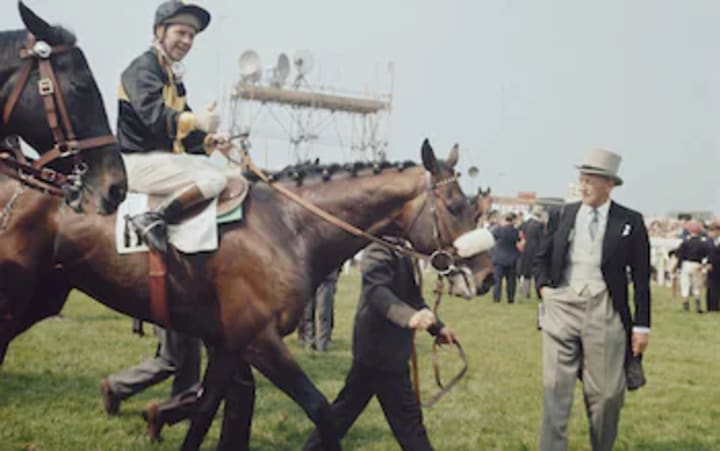
Born in the United States, Ian Balding’s life took a decisive turn when his family settled in England. What followed was a career defined by patience, instinct, and an almost intuitive understanding of horses. In 1964, he took charge of Park House Stables in Kingsclere, a location that would become synonymous with excellence under his guidance.
Balding was never the loudest voice in the room. Instead, he earned respect through consistency and results, quietly building a reputation as a trainer who could bring out the very best in elite thoroughbreds.
The Mill Reef years that changed everything
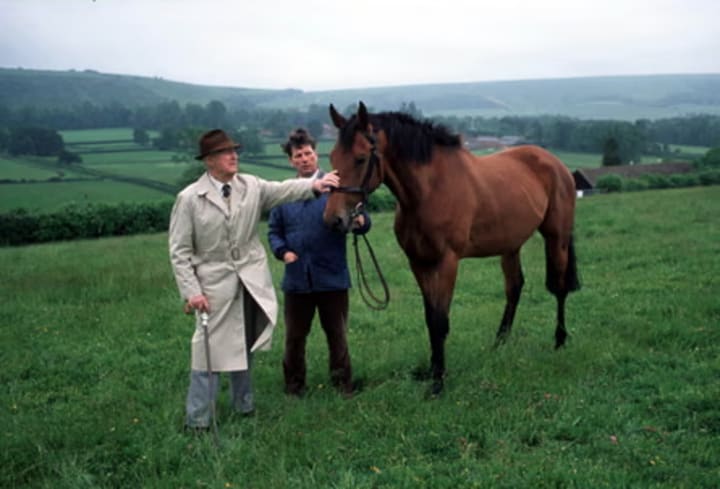
No discussion of Ian Balding can avoid the name Mill Reef. In the early 1970s, the partnership between trainer and horse produced one of the most extraordinary seasons in racing history. Mill Reef’s victories in the Derby, the Prix de l’Arc de Triomphe, and the King George VI and Queen Elizabeth Stakes cemented both horse and trainer as legends.
Those wins didn’t just bring trophies. They redefined expectations. Balding was named British Champion Trainer, and his calm, analytical approach became a model others tried to follow.
Yet even at the peak of success, he remained characteristically understated, preferring to let the horses speak for him.
More than one great horse
While Mill Reef remains his most famous achievement, Balding’s career was far richer than a single chapter. Over the years, he trained numerous top-class horses across different distances and generations, proving that his success was no fluke.
Owners trusted him. Jockeys respected him. Stable staff admired him. He was known for running a disciplined yard without ego, where horses were treated as athletes rather than assets.
He also served for many years as a trusted trainer to horses owned by Queen Elizabeth II, a role that spoke volumes about his professionalism and discretion.
A father, a mentor, a legacy
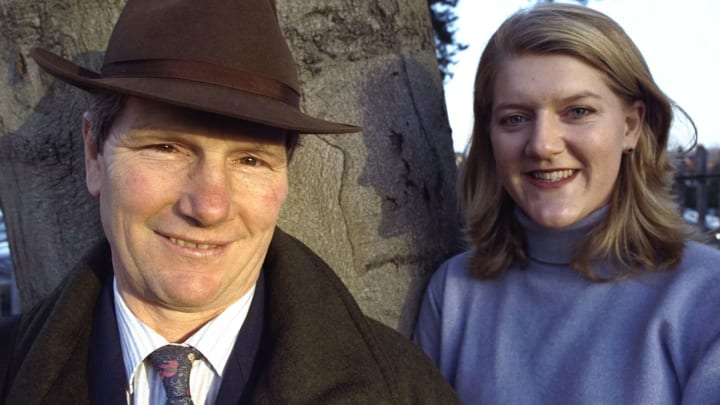
Beyond racing, Ian Balding was a family man, and his legacy lives on not only through trophies and records but through his children. His son, Andrew Balding, took over the training licence at Park House Stables and has since built an outstanding career of his own, carrying forward the standards set by his father.
His daughter, Clare Balding, has become one of the most recognizable voices in British sports broadcasting. In interviews over the years, she often credited her father with shaping her work ethic, curiosity, and love for sport. For many searching his name today, it is this father-daughter connection that makes the news feel especially personal.
Why Ian Balding is trending now
The surge in searches for “Ian Balding,” “Clare Balding,” and even common misspellings reflects a familiar pattern. When a respected public figure dies, people don’t just want confirmation of the news — they want meaning. They want to understand who the person was, why they mattered, and how they shaped the world around them.
In Balding’s case, the answer is clear. He represented a generation of trainers who valued patience over publicity and skill over spectacle. His influence is still felt in training yards, race strategies, and the careers of those who learned under him.
The quiet end of a remarkable journey
Ian Balding retired from training in the early 2000s, stepping back without fanfare and allowing the next generation to take the reins. That same quiet dignity marked the end of his life. There were no scandals, no unfinished business — just the closing of a chapter that helped define British horse racing for more than half a century.
As tributes continue to pour in, one theme repeats itself: respect. Not just for his achievements, but for the way he carried himself throughout his life.
A name that will endure
Long after search trends move on and headlines fade, Ian Balding’s name will remain woven into the fabric of the sport. Every mention of Mill Reef, every success from Park House Stables, and every thoughtful word spoken by Clare Balding about her father adds another layer to that legacy.
British racing has lost a legend — not just a winner, but a gentleman of the sport.
About the Creator
Keep reading
More stories from Bevy Osuos and writers in Humans and other communities.
Sherrone Moore’s Wife Kelli Moore: What We Know and What Michigan Isn’t Saying Yet
When a major college football program lands in the center of a nationwide discussion, it’s not just the coaches and players who suddenly find themselves under a microscope. Families, spouses, and anyone connected to the story often get pulled into the whirlwind. That’s exactly what’s happening right now as searches for “Sherrone Moore wife” and “Kelli Moore” skyrocket across the internet.
By Bevy Osuos2 months ago in Humans
Time to change your life.
Is it even possible for you to change your life? A lot of people, more than there should be, are unhappy with their lives. But what are they doing about it? Usually nothing. People talk about how shitty their lives are and want change, but are they not taking the actions to change?
By Jen Phillips3 days ago in Humans
Mental Focus Traits Linked to Strong Perceptive Ability.
Perceptive ability is the capacity to notice, interpret, and respond to subtle cues in the environment. People with strong perception often detect details, patterns, and nuances that others overlook. While some individuals seem naturally perceptive, research suggests that mental focus plays a central role in developing and sustaining this skill. Certain traits of mental focus enhance awareness, sharpen observation, and improve decision making. Understanding these traits allows individuals to cultivate stronger perceptive abilities and navigate complex situations with greater clarity.
By Wilson Igbasia day ago in Humans
One Unchecked Box
"Republished" because it was the only way to add the embed for the newly recorded audio version of this story due to the Top Story badge. Plus it serves as a nice, informal announcement of the podcast's revival for another season (go subscribe!):
By Stephen A. Roddewig6 days ago in Fiction


Comments
There are no comments for this story
Be the first to respond and start the conversation.