
"Alone in a Connected World
Emotional & Thought-Provoking

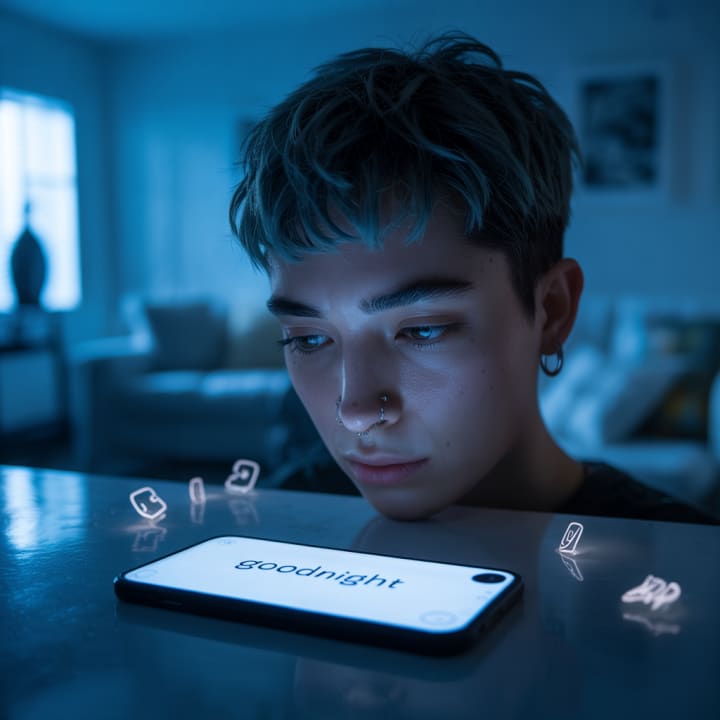
I have over 3,000 followers on Instagram, a couple hundred on TikTok, and dozens of active group chats on WhatsApp, Discord, and Snapchat. I’m "connected" in every digital way imaginable. Yet, last Friday night, I sat alone in my room, scrolling endlessly through other people’s lives, feeling an overwhelming sense of emptiness.
It’s ironic, isn’t it? We are the most connected generation in history. We can FaceTime friends across continents, share our thoughts in seconds, and reach millions with a single post. But for many of us, this unprecedented connectivity has only highlighted a profound loneliness that hides behind the screens.
The Paradox of Digital Connection
Social media, messaging apps, and online communities promised to bring us closer together. But what we got instead is a constant stream of curated content that often replaces genuine human interaction. Instead of having deep conversations, we exchange short texts or emojis. Instead of sitting down for heart-to-heart talks, we "keep the streak alive" on Snapchat or post stories to keep up appearances.
That dopamine hit from a notification feels good—briefly. But it fades fast, leaving a void that can’t be filled with likes, comments, or followers.
The problem isn’t the technology itself. It’s how we use it and what we expect from it.
The Pressure to Appear Perfect
We live in a highlight reel culture. Every photo, every caption, every story is carefully crafted to show the best version of ourselves. We filter out the messy, the ugly, the vulnerable. It’s easier to show the beach vacation than the sleepless night battling anxiety. It’s simpler to post a picture of a smile than to admit feeling overwhelmed or lost.
And this pressure doesn’t just come from outside—it’s internalized. We compare our real lives with other people’s online highlights and wonder why we don’t measure up. That comparison can erode self-esteem, fuel anxiety, and deepen isolation.
Loneliness Behind the Screens
I’m not the only one who feels this way. Surveys show that loneliness among young people is rising globally, despite (or perhaps because of) the explosion of social media use. We’re sharing more, but connecting less.
One reason is that digital communication lacks the nuance of face-to-face interaction. We miss out on body language, tone of voice, eye contact—all the things that make conversations rich and meaningful. Texts and posts are open to misinterpretation. We might feel ignored if someone doesn’t reply immediately or misunderstand a joke without the context of a laugh.
The Illusion of Being “Busy”
Everyone seems busy all the time. Social media is flooded with posts about productivity, hustle culture, and endless to-do lists. But this "busyness" often masks emotional exhaustion. It’s easier to post a motivational quote than to admit you’re struggling.
I’ve seen friends juggle jobs, studies, relationships, and side projects while hiding behind smiles in selfies. The truth? Many of us are burnt out, overwhelmed, and craving rest and connection but unsure how to ask for it.
The Fear of Vulnerability
In a world obsessed with perfection, vulnerability feels risky. Posting about mental health struggles or personal failures might invite judgment, pity, or silence. So, we build walls, curate our online personas, and keep our real feelings locked away.
But connection requires vulnerability. It requires letting others see us—not just our achievements but our fears, doubts, and pain. Without that, relationships remain superficial.

Seeking Real Connection
Despite all this, there is hope. Real connection is still possible, even in the digital age. It starts with small actions:
Calling a friend instead of texting.
Asking someone “How are you, really?” and being ready to listen.
Logging off for a while and spending time in person when possible.
Being honest about your feelings, even if it’s uncomfortable.
These acts of presence are radical in a world of distraction. They remind us that we are human beings, not just profiles or numbers.
What I’ve Learned
I’m learning to balance my digital life with real-life connection. It means setting boundaries—no phones at dinner, tech-free weekends, prioritizing face-to-face time. It means accepting that it’s okay not to be perfect or constantly “on.”
It means realizing that loneliness is a signal—a call to seek connection and care, not a weakness to hide.
You’re Not Alone
If you’re reading this and feeling lonely despite your digital connections, know this: you’re not alone. Many of us are navigating this paradox. And while technology can never replace human closeness, it can still be a tool to bring us together—if we use it with intention.
So next time you reach for your phone, ask yourself: Am I looking to truly connect? Or just to fill a void? And if it’s the latter, maybe put the phone down for a moment and reach out—to someone, or even to yourself.
Because connection is not just about being seen. It’s about being known.
About the Creator
Keep reading
More stories from Maavia tahir and writers in Humans and other communities.
Anne-Marie Mediwake: Husband, Net Worth, Salary, Triplets & More
Anne-Marie Mediwake is a prominent Canadian television news anchor whose career spans decades across major broadcasters, including CTV, CBC, and Global News. Known for her sharp journalism, authenticity, and as a mother of triplets.
By Enoch Sagini5 days ago in Humans
Self Help: Grifters' Gospel
On Self-Help, Snake Oil, and the Illusion of Change Psychology professionals and students can be imagined on two opposite sides of a line called self-help books: likely a larger group opposes pop-science and step-by-step manuals filled with talk of success, journaling, and not giving a f**k; others love them, but they aren’t many.
By Avocado Nunzella BSc (Psych) -- M.A.P about 22 hours ago in BookClub


Comments
There are no comments for this story
Be the first to respond and start the conversation.