
What is known about Poseidon: 30 Fun Facts
Poseidon, in ancient Greek religion, god of the sea (and of water generally), earthquakes, and horses.

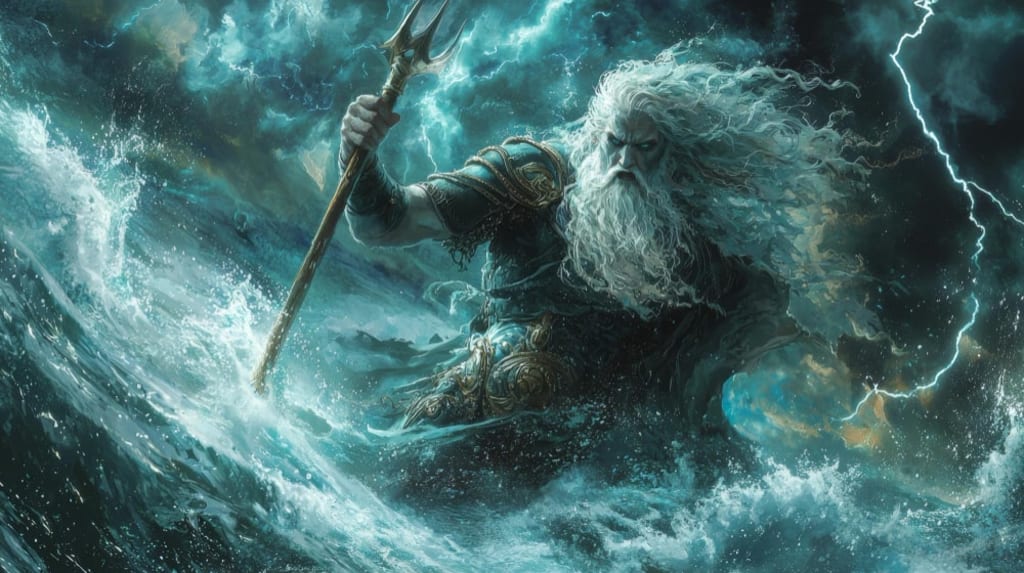
Poseidon, the mighty god of the sea, is one of the most powerful and fascinating figures in Greek mythology. Known for his tempestuous nature and immense influence over oceans and earthquakes, Poseidon held a central role among the Olympian gods. Depicted with his signature trident and often accompanied by sea creatures, his mythology is rich with drama, conflict, and wonder. From ancient temples to modern pop culture, Poseidon's legacy continues to ripple through time. Here are some captivating and unique facts about Poseidon that reveal the depth and intrigue of this ancient sea god.
- Poseidon was one of the twelve Olympian gods and the brother of Zeus and Hades. Together, they divided the world into three realms with Poseidon ruling the sea, Zeus the sky, and Hades the underworld.
- Poseidon’s weapon of choice was the trident, a three-pronged spear. With it, he could stir the oceans, cause earthquakes, and even shatter objects or create storms.
- He was known as the god of horses in addition to the sea. According to myth, he created the first horse and was worshipped by horse breeders and charioteers.
- Poseidon’s mood swings often mirrored the changing sea. Calm seas were believed to reflect his satisfaction, while storms and quakes signaled his wrath.
- Poseidon competed with other gods for patronage of cities. In a famous myth, he challenged Athena for control of Athens by offering a saltwater spring, but lost when she gifted the olive tree instead.
- The ancient Greeks built many temples to honor Poseidon, including the famous Temple of Poseidon at Cape Sounion. This site offered panoramic views of the Aegean Sea and served as a place of worship and maritime guidance.
- Poseidon fathered many children, both mortal and divine. Among his most famous offspring are the Cyclops Polyphemus, the winged horse Pegasus, and the sea god Triton.
- Despite being married to the sea goddess Amphitrite, Poseidon had numerous affairs. His romantic escapades resulted in a wide variety of mythological creatures and demigods.
- In art, Poseidon is usually portrayed as a mature man with a sturdy build, flowing beard, and crown. He is often seen riding a chariot pulled by hippocampi, mythical sea-horses with fish tails.
- The Roman counterpart of Poseidon is Neptune. While both shared similar attributes, Neptune gained a distinct identity and was highly revered in Roman culture and festivals.
- Poseidon played a significant role in Homer’s Odyssey. Angered by Odysseus for blinding his son Polyphemus, he made the hero’s journey home long and perilous.
- One of Poseidon's epithets was "Earth-shaker." This name reflects his power to cause devastating earthquakes, a phenomenon the Greeks believed was under his control.
- Sailors and seafarers frequently offered sacrifices to Poseidon. Appeasing him was essential for a safe and successful voyage across the unpredictable seas.
- Poseidon’s domain was not limited to saltwater. He was also considered a god of freshwater sources, including springs, rivers, and fountains.
- In some myths, Poseidon helped build the walls of Troy alongside Apollo. When the king of Troy refused to pay them for their labor, Poseidon sent a sea monster to attack the city.
- Poseidon’s sons were often known for their violent or powerful nature. This includes Antaeus, a giant who drew strength from the earth, and Theseus, a famed hero of Athens.
- The Isthmian Games, one of the major Panhellenic festivals, were held in honor of Poseidon. These games included athletic contests and were held near Corinth every two years.
- Poseidon’s influence extended into oracles and divination. At certain sanctuaries, he was consulted for guidance, especially on issues related to the sea and earthquakes.
- The trident symbol has endured through time and is often used in modern logos and emblems related to the sea. It remains an enduring representation of marine power and myth.
- Some ancient Greeks believed that Atlantis, the fabled lost city, was founded by Poseidon. According to Plato, he created the city for his mortal lover Cleito and their descendants.
- In classical literature, Poseidon often appears as a formidable but less diplomatic god compared to Zeus. He is more impulsive and aggressive in resolving disputes and asserting his will.
- Poseidon was worshipped not only in Greece but also in parts of Magna Graecia, the Greek colonies of southern Italy. His cult was particularly strong in coastal cities.
- Despite his tempestuous personality, Poseidon could be a protector and benefactor. He was often invoked in rituals meant to bring rain, fertility, and peace to coastal communities.
- He was not always part of the original Olympian twelve in early Greek religion. Over time, as seafaring became more important to Greek life, his status grew and was solidified among the major deities.
- Poseidon's iconography frequently includes dolphins, fish, and sea creatures. These animals were sacred to him and often featured in religious art and temple decorations.
- Amphitrite, Poseidon’s wife, was one of the Nereids, or sea nymphs. Though she initially resisted his advances, she eventually agreed to marry him and became queen of the sea.
- Poseidon’s myths often overlap with those of other gods. For example, he collaborated with Zeus and Hades to overthrow their father, Cronus, and establish the new order of Olympian rule.
- In some versions of myth, Poseidon helped create the Minotaur by cursing King Minos of Crete. The king failed to sacrifice a bull given by Poseidon, leading to the creature's birth as a punishment.
- Unlike some gods, Poseidon's power was considered both creative and destructive. He could raise islands and calm storms, but also bring floods and chaos when angered.
- Poseidon was one of the most frequently depicted gods in ancient Greek vase painting and sculpture. His dramatic presence made him a favorite subject for artists and storytellers alike.
Poseidon remains one of mythology’s most dynamic and commanding figures. His influence over the natural world and the tales surrounding his deeds reveal a god of immense strength, passion, and unpredictability. From his mythological battles to his artistic representations, Poseidon continues to inspire awe and fascination across cultures and generations. His legacy as the ruler of the seas lives on in stories, symbols, and the enduring human connection to the ocean.
Sources used and useful links on the topic of the article:
- https://millionfacts.co.uk/25-interesting-facts-about-poseidon
- https://www.britannica.com/topic/Poseidon
- https://www.greekmythology.com/Olympians/Poseidon/poseidon.html
- https://www.theoi.com/Olympios/Poseidon.html
What do you know about Poseidon? Share interesting facts about it in the comments below 👇
About the Creator
MillionFacts UK
Each post covers topics like science, history, animals, and space in a fun and easy-to-read way.
Keep reading
More stories from MillionFacts UK and writers in FYI and other communities.
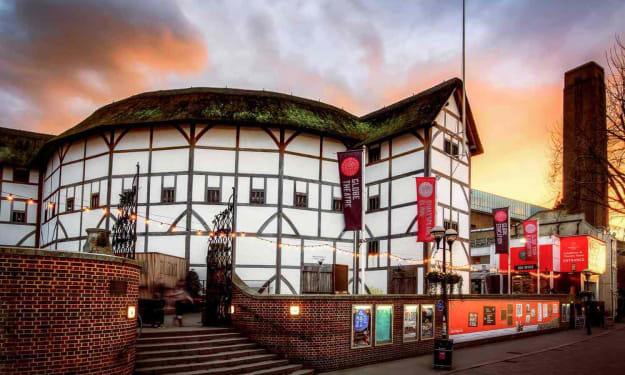
What is known about Shakespeare’s Globe Theatre: 30 Fun Facts
Shakespeare’s Globe Theatre is one of the most iconic and beloved landmarks in the history of English drama. Located in London, this remarkable structure has captivated audiences for centuries and continues to do so through its faithful reconstruction. It served as the stage for many of William Shakespeare’s greatest plays and played a crucial role in the evolution of theatrical performance during the Elizabethan era. Rich in history, tradition, and cultural significance, the Globe Theatre offers endless fascination to literature lovers, history buffs, and theatergoers alike. Here is a list of fun and insightful facts that reveal the magic and legacy of this historic venue.
By MillionFacts UK8 months ago in FYI
Why Subscription Models Are Reshaping the Software Industry?
There was a time when buying software felt definitive. You paid once, installed it, and owned that version indefinitely. Updates arrived occasionally, often bundled into paid upgrades released years later. Revenue flowed in spikes around product launches, and companies measured success largely by sales volume.
By Mary L. Rodriquezabout an hour ago in FYI
Unofficial Challenge: What would you do if you were rich?
I love the kind of work I get to do in my career, but as I job search and browse apartments again due to another understaffed and unsustainable work environment that I did not intend to get into, my daydreams of better days consistently lean into the same question: What would I do if I didn't have to worry about my basic needs being met?
By Kay Husnick7 days ago in Writers



Comments
There are no comments for this story
Be the first to respond and start the conversation.