
The Transition from Analog to Digital: A Musical Evolution
A Musical Evolution

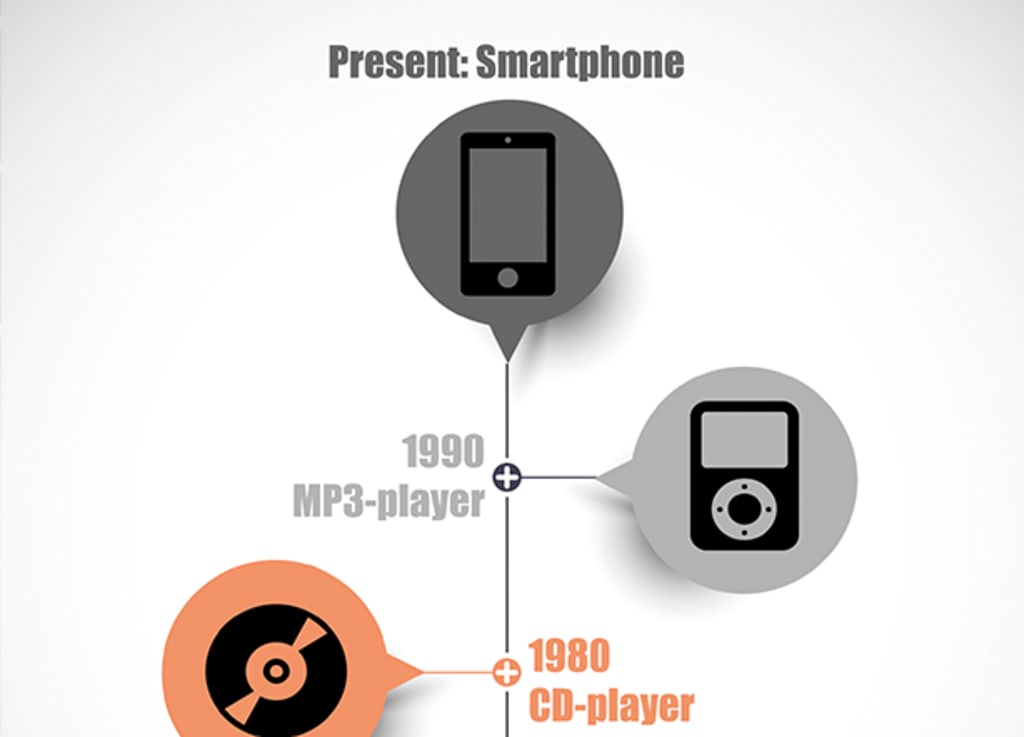
The shift from analog to digital music has been a monumental change in the way we listen to and experience music. This transformation has not only revolutionized the music industry but also influenced cultural trends and personal listening habits. This article explores the key milestones in this transition and its impact on the music industry and listeners.
1. Analog Beginnings: Vinyl and Tapes:
The Rise of Vinyl Records:
The analog era of music began with the invention of vinyl records in the early 20th century. These records became the standard for music distribution, offering a rich, warm sound that many audiophiles still prefer today. Vinyl records provided a tangible connection to music, with large album covers and liner notes enhancing the listening experience.
Cultural Impact:
Vinyl records were more than just a medium for music; they were a cultural phenomenon. The act of purchasing a record, admiring the artwork, and carefully placing it on a turntable created a ritualistic experience. Record stores became social hubs where music enthusiasts gathered to discover new releases and discuss their favorite artists.
Cassette Tapes: Portable and Personal:
The introduction of cassette tapes in the 1960s offered a more portable and personal way to enjoy music. Cassette players, especially the iconic Walkman, allowed people to listen to their favorite songs anywhere. The ability to create mixtapes added a new dimension to personal music curation, making music listening a more intimate and personalized experience.
2. The Advent of Digital Music:
The Introduction of CDs:
The compact disc (CD) was introduced in the 1980s, marking a significant leap in audio quality and convenience. CDs offered clearer sound, greater durability, and easier storage compared to vinyl and tapes. They quickly became the dominant format for music distribution, leading to the decline of analog media.
Digital Audio Formats:
The 1990s saw the development of digital audio formats like MP3. These compressed files made it possible to store vast amounts of music on personal computers and portable devices. The MP3 format revolutionized music distribution by allowing easy sharing and downloading over the internet.
Impact of Digital Music on the Industry:
The transition to digital music had profound implications for the music industry. It disrupted traditional business models, as record sales declined and new revenue streams emerged. Digital distribution platforms like iTunes changed the way music was sold, shifting the focus from albums to individual tracks.
3. The Emergence of MP3 Players and iPods:
The Rise of MP3 Players:
The late 1990s and early 2000s saw the rise of MP3 players, which made digital music portable. Devices like the Rio PMP300 and the Creative NOMAD Jukebox allowed users to carry thousands of songs in their pockets. This portability and convenience made MP3 players immensely popular.
The iPod Revolution:
Apple’s introduction of the iPod in 2001 revolutionized the digital music landscape. The iPod’s sleek design, user-friendly interface, and seamless integration with iTunes made it a must-have gadget. The ability to purchase and download music directly from the iTunes Store transformed how people accessed and consumed music.
Cultural Shifts:
The iPod era marked a significant cultural shift in music consumption. Playlists replaced mixtapes, and the concept of shuffling songs changed listening habits. The focus shifted from owning physical media to managing digital music libraries, allowing for more personalized and varied music experiences.
4. Streaming Services: The Digital Frontier:
The Rise of Streaming Platforms:
The mid-2000s marked the rise of music streaming services, with platforms like Spotify, Pandora, and Apple Music leading the way. These services offered vast music libraries accessible on-demand, eliminating the need for physical or digital storage. Streaming provided unprecedented convenience, allowing users to listen to any song, anytime, anywhere.
The Convenience and Accessibility of Streaming:
Streaming services revolutionized music consumption by making it more accessible and affordable. Users no longer needed to purchase individual tracks or albums; instead, they could subscribe to a service and access millions of songs. Features like curated playlists, personalized recommendations, and offline listening enhanced the user experience.
Impact on the Music Industry:
The shift to streaming has had a profound impact on the music industry. While it has created new opportunities for music discovery and distribution, it has also raised challenges regarding fair compensation for artists. Streaming royalties are generally lower than revenue from physical or digital sales, leading to ongoing debates about the economics of streaming.
5. The Future of Digital Music:
High-Resolution Audio:
The future of digital music is likely to see a focus on high-resolution audio, offering superior sound quality compared to standard streaming. Services like Tidal and Amazon Music HD are already catering to audiophiles with lossless audio streaming. As internet speeds and storage capacities increase, high-res audio is expected to become more mainstream.
AI and Personalized Music Experiences:
Artificial intelligence and machine learning are set to play a significant role in the future of music streaming. AI algorithms can analyze listening habits to provide highly personalized recommendations, creating a more tailored music experience. Voice assistants like Siri and Alexa are also integrating music streaming, making it easier to access and control music.
Immersive and Interactive Music Formats:
Emerging technologies like virtual reality (VR) and augmented reality (AR) have the potential to create immersive music experiences. VR concerts and interactive music videos can offer new ways to engage with music, enhancing the connection between artists and fans. These technologies are still in their early stages but hold exciting possibilities for the future of digital music.
Conclusion:
The transition from analog to digital music has transformed the way we listen to and interact with music. From the warm, tactile experience of vinyl records to the instant access and personalization of streaming services, each phase of this evolution has brought new possibilities and challenges. As technology continues to advance, the future of digital music holds exciting potential for even more innovation and enhanced listening experiences.
About the Creator
Music Industry Updates
Welcome to Music Industry Updates, your go-to hub for the latest happenings in the music world.
Stay tuned, stay informed, and stay inspired with Music Pulse – where every beat counts.
Keep reading
More stories from Music Industry Updates and writers in FYI and other communities.
Musical Masterpieces: 7 Great Albums You May Have Missed
Every year, countless albums are released, and some exceptional ones get lost in the shuffle. These musical masterpieces might not have topped the charts, but they have left an indelible mark on listeners who discovered them. This article brings to light seven great albums you may have missed, each offering a unique blend of creativity, emotion, and artistry. From genre-defining works to innovative experiments, these albums deserve a place in your music library. Let's delve into these hidden gems and appreciate the brilliance they bring to the music world.
By Music Industry Updates2 years ago in FYI
What Happens To Your Brain When You Stop Multitasking
Digital technology is the culprit that is causing us to doom scroll when tired, disengaged and unmotivated with the content that motivated you to log onto your device to consume in the first place. That is only the beginning. In the modern workplace (and even when filing cabinets were around, I confirmed this with my adopted parents to get my facts right); reading files while you are supposed to be present to the caller on the other end of the phone line is another classic example of multitasking that causes your brain (although adaptable and intelligent) to lose focus and concentration.
By Justine Crowley5 days ago in Psyche



Comments (2)
Good topic
Nice article