
How Technology is Revolutionizing Co-writing a Song Remotely
Co-writing a Song Remotely

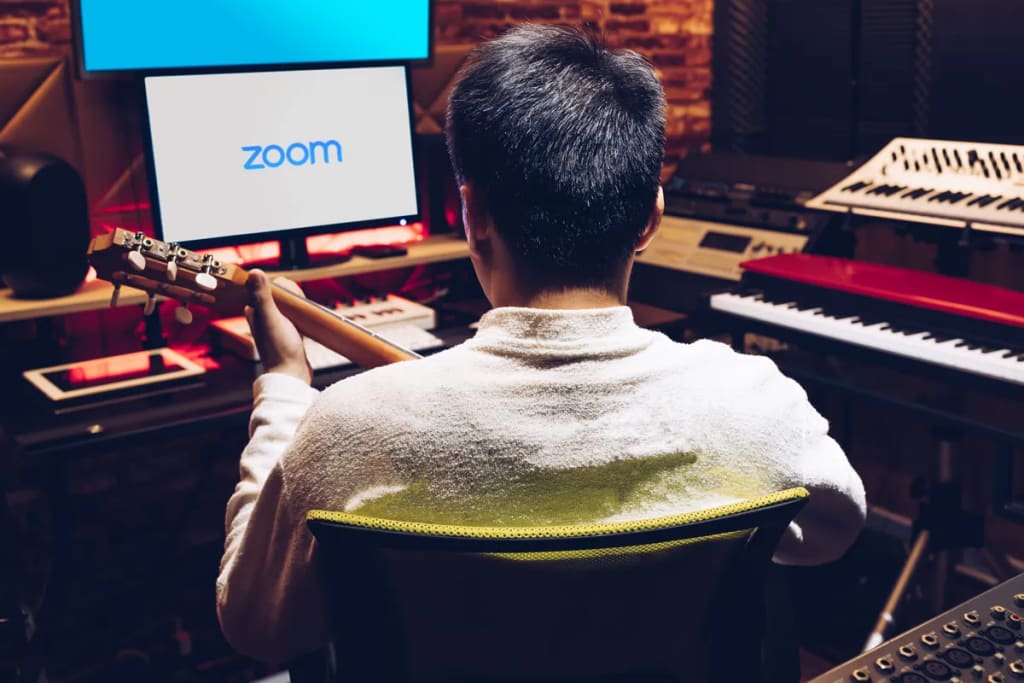
Technology has dramatically transformed the way musicians collaborate on songwriting projects. In the past, songwriters needed to be in the same room to share ideas, but now, digital advancements have made it possible to co-write songs from different parts of the world. This article delves into the technological advancements that make remote co-writing not only possible but also efficient, enhancing the creative process and opening new avenues for collaboration.
High-Speed Internet:
The backbone of remote collaboration is a reliable, high-speed internet connection. High-speed internet allows songwriters to communicate in real-time, share large audio files, and collaborate seamlessly.
Impact on Real-Time Collaboration:
Real-time video calls and screen sharing enable songwriters to discuss ideas, demonstrate techniques, and provide instant feedback.
High-speed internet reduces latency, making it easier to work on music synchronously without delays or disruptions.
Collaboration Software:
Specialized software has been developed to facilitate remote collaboration among musicians. These tools are designed to mimic the experience of being in the same room, allowing for smooth and productive co-writing sessions.
Overview of Popular Collaboration Software:
Soundtrap:
A DAW (Digital Audio Workstation) that operates entirely online, Soundtrap allows multiple users to work on the same project simultaneously. It includes features for recording, editing, and mixing tracks.
Splice:
Splice offers cloud-based project storage, making it easy for collaborators to share and access project files. It also includes a large library of samples and plugins.
Avid Cloud Collaboration:
Part of Pro Tools, Avid Cloud Collaboration enables real-time collaboration on DAW projects. It supports high-quality audio and video streaming, ensuring that remote sessions feel as close to in-person as possible.
Digital Audio Workstations (DAWs):
DAWs are essential tools for modern songwriters, providing a platform for recording, editing, and producing music. Many DAWs now include features specifically designed for remote collaboration.
How DAWs Facilitate Remote Co-writing:
Project Sharing:
DAWs like Logic Pro X, Ableton Live, and FL Studio allow users to share project files with collaborators. This means each songwriter can work on their part of the song independently and then merge their contributions.
Real-Time Collaboration:
Some DAWs, such as Cubase and Pro Tools, offer real-time collaboration features, enabling multiple users to work on the same project simultaneously.
Cross-Platform Compatibility:
DAWs that support cross-platform usage (Windows and macOS) ensure that collaborators using different operating systems can work together without compatibility issues.
Cloud Storage:
Cloud storage services have become indispensable for remote collaboration, providing a secure and convenient way to store and share files.
Benefits of Using Cloud Services for File Sharing:
Accessibility:
Cloud storage services like Google Drive, Dropbox, and OneDrive allow collaborators to access files from any device with an internet connection.
Version Control:
These services often include version control features, which track changes to files and allow users to revert to previous versions if needed.
Security:
Cloud services provide secure storage with encryption, ensuring that sensitive project files are protected.
Virtual Instruments:
Virtual instruments and plugins have revolutionized the way music is created, allowing songwriters to experiment with different sounds and textures without the need for physical instruments.
Enhancing Creativity with Virtual Instruments and Plugins:
Wide Range of Sounds:
Virtual instruments offer a vast array of sounds, from realistic orchestral instruments to innovative synthesized tones, expanding the creative possibilities for songwriters.
Ease of Use:
Virtual instruments are easy to use and integrate seamlessly with DAWs, enabling songwriters to quickly add new elements to their tracks.
Collaboration-Friendly:
Many virtual instruments come with presets and settings that can be shared between collaborators, ensuring consistency in the sound of the project.
Conclusion:
Embracing technology can open new avenues for creativity and efficiency in remote songwriting. The advancements in high-speed internet, collaboration software, DAWs, cloud storage, and virtual instruments have made it possible for songwriters to collaborate effectively from different parts of the world. These tools not only facilitate the technical aspects of collaboration but also enhance the creative process, allowing for more dynamic and diverse musical creations. As technology continues to evolve, the possibilities for remote co-writing will only expand, offering even more opportunities for musicians to connect and create together.
Which technology has made the biggest impact on your songwriting process? Share your experiences and favorite tools in the comments below! Your insights could help other musicians enhance their remote collaborations.
This comprehensive guide covers everything you need to know about leveraging technology for successful remote collaborations.
About the Creator
Music Industry Updates
Welcome to Music Industry Updates, your go-to hub for the latest happenings in the music world.
Stay tuned, stay informed, and stay inspired with Music Pulse – where every beat counts.
Keep reading
More stories from Music Industry Updates and writers in FYI and other communities.
Networking and Collaborating with Campus Musicians
College is a prime time for networking and building connections that can last a lifetime. For aspiring musicians, collaborating with fellow students can lead to creative partnerships and unique opportunities. This article delves into the best ways to network and collaborate with campus musicians, providing you with practical tips to build meaningful relationships and elevate your music career.
By Music Industry Updates2 years ago in FYI
10 Everyday Things That Are Illegal in North Korea (And Most of Us Can’t Imagine Living Without)
Imagine standing in a massive crowd, surrounded by thousands, maybe even millions of people, cheering in perfect unison. The flags wave. The chants echo. Everything looks synchronized, powerful, almost unreal.
By Areeba Umair4 days ago in FYI




Comments (2)
Nice
Nice article