
Eight Cost-Effective Audio Interfaces for Podcasters
Cost-Effective Audio Interfaces

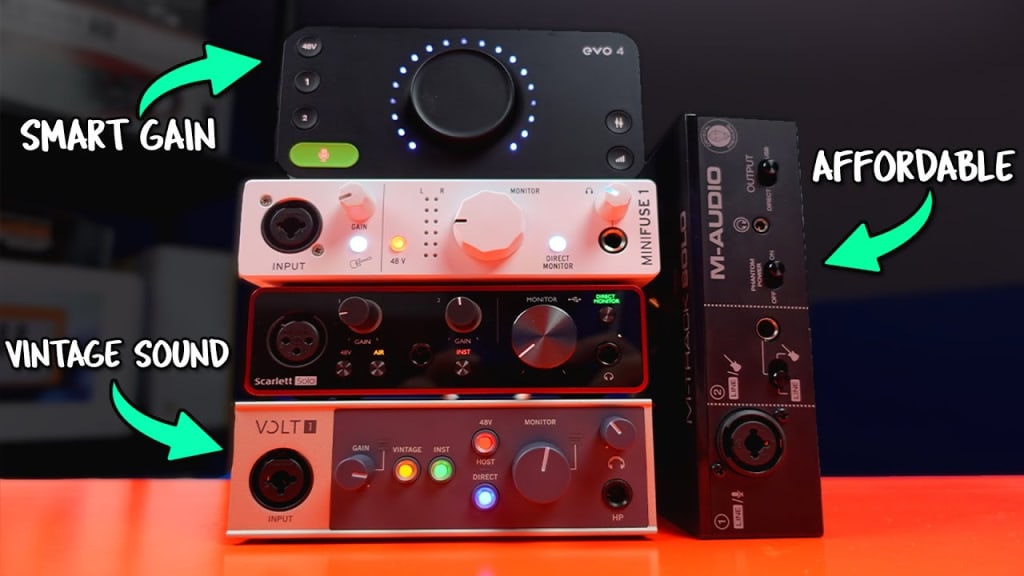
Podcasters often need reliable audio interfaces to ensure high-quality recordings. With the right equipment, even budget-conscious podcasters can produce professional-sounding audio. An audio interface is crucial as it converts analog signals from microphones into digital format, ensuring clarity and fidelity in recordings. This article highlights eight cost-effective audio interfaces that are ideal for podcasters, offering excellent performance without a hefty price tag.
1. Focusrite Scarlett 2i2 (3rd Gen):
The Focusrite Scarlett 2i2 (3rd Gen) is a popular choice among podcasters for its reliability and high-quality sound. It features two Scarlett mic preamps with switchable Air mode, which adds brightness to recordings, enhancing vocal clarity. The 2i2 offers two XLR/TRS combo inputs, allowing for versatile microphone and instrument connections. With its 24-bit/192kHz converters, recordings are crystal clear. The interface is USB-powered and comes with a comprehensive software bundle, including Ableton Live Lite and Pro Tools First, making it easy for podcasters to get started.
2. Behringer UMC22:
The Behringer UMC22 is an affordable option that doesn't skimp on quality. It features one combo XLR/TRS input with a MIDAS preamp, providing warm and detailed sound. Additionally, it has one instrument input for versatility. The UMC22 supports 48kHz resolution and offers zero-latency direct monitoring, ensuring that podcasters can hear their recordings in real-time without any delay. Its durable metal chassis makes it a reliable choice for both beginners and experienced podcasters. The interface also includes Tracktion DAW software, offering a complete recording solution.
3. PreSonus AudioBox USB 96:
The PreSonus AudioBox USB 96 is a robust and versatile audio interface designed with podcasters in mind. It offers two combo XLR/TRS inputs with high-quality Class A preamps and MIDI I/O, allowing for flexible recording setups. Supporting 24-bit/96kHz audio, the AudioBox ensures clear and detailed recordings. Its rugged, road-ready chassis makes it ideal for mobile podcasters. The interface is USB-powered, eliminating the need for an external power supply. It also comes with Studio One Artist DAW software, providing an all-in-one recording and production environment.
4. M-Audio M-Track Solo:
The M-Audio M-Track Solo is a compact and cost-effective interface that delivers impressive performance for podcasters. It features one XLR input and one instrument input, each with dedicated gain controls. Supporting 48kHz/16-bit audio, the M-Track Solo ensures clear and accurate recordings. The interface offers direct monitoring with a dedicated switch, allowing podcasters to monitor their audio in real-time without latency. USB-powered and highly portable, it is ideal for on-the-go recording. The M-Track Solo also includes a software bundle with Pro Tools First M-Audio Edition and MPC Beats, providing a range of recording and production tools.
5. Rode AI-1:
The Rode AI-1 is known for its robust build and high-quality sound, making it a great choice for solo podcasters. It features a single XLR input with a studio-quality preamp, ensuring clear and detailed vocal recordings. The AI-1 supports 24-bit/96kHz audio and offers zero-latency direct monitoring. Its sleek design includes a large volume knob and clear LED indicators, making it easy to use. The AI-1 is USB-powered and comes with a copy of Ableton Live Lite, providing a powerful DAW for podcast production.
6. TASCAM US-2x2HR:
The TASCAM US-2x2HR is a versatile interface offering two combo XLR/TRS inputs with Ultra-HDDA mic preamps. Supporting up to 24-bit/192kHz audio, the US-2x2HR ensures high-resolution recordings. The interface includes MIDI I/O and a direct monitoring feature, making it suitable for both podcasters and musicians. Its rugged metal design and USB bus power make it a durable and portable option for podcasters. The US-2x2HR also comes with Cubase LE and Cubasis LE software, providing a comprehensive recording solution.
7. Steinberg UR22C:
The Steinberg UR22C is known for its durability and high-resolution audio capabilities. It features two combo inputs with D-PRE preamps and MIDI I/O. Supporting 32-bit/192kHz audio, the UR22C offers USB 3.0 connectivity for ultra-low latency performance. The interface also includes Loopback functionality, making it ideal for streaming and podcasting. Its rugged metal construction ensures it can withstand the rigors of mobile recording. The UR22C comes with Cubase AI and Cubasis LE software, providing a powerful recording and production environment.
8. Audient EVO 4:
The Audient EVO 4 offers premium sound quality and user-friendly features in a compact design. It features two EVO mic preamps with smart gain technology, simplifying the recording process by automatically setting the correct input levels. The interface supports 24-bit/96kHz audio and offers zero-latency monitoring with a mix knob. Its ScrollControl feature allows the volume knob to function as a virtual scroll wheel, enhancing workflow efficiency. The EVO 4 is USB-powered and comes with a comprehensive software package, including Cubase LE and plugins from Steinberg and Two Notes.
Conclusion:
Podcasters can achieve high-quality recordings with these eight cost-effective audio interfaces. Each interface offers unique features tailored to different podcasting needs, from solo recording to multi-person interviews. Investing in a reliable audio interface is crucial for ensuring professional sound quality, making your podcast stand out.
About the Creator
Music Industry Updates
Welcome to Music Industry Updates, your go-to hub for the latest happenings in the music world.
Stay tuned, stay informed, and stay inspired with Music Pulse – where every beat counts.
Keep reading
More stories from Music Industry Updates and writers in FYI and other communities.
Top Budget-Friendly Guitar Accessories: Under $50 Picks for Every Guitarist
Whether you're a novice or a seasoned guitarist, the right accessories can make a big difference in your playing and maintenance routines. Fortunately, you don't need to spend a lot to get high-quality gear. Many affordable accessories can enhance your experience without breaking the bank. In this article, we'll cover the top guitar accessories you can buy for under $50, helping you upgrade your gear affordably and effectively.
By Music Industry Updates2 years ago in FYI



Comments (2)
Well written
Nice article