
Austin Shooting: A City Confronts Fear and Change
On a warm night in Austin, the sound of music and conversation once filled the air. Food trucks glowed under string lights.

On a warm night in Austin, the sound of music and conversation once filled the air. Food trucks glowed under string lights. People laughed outside bars and apartment buildings. Then gunfire shattered that normal rhythm. In seconds, everything changed. The words austin shooting began trending online, but behind those words were real people, real families, and real grief. For residents, it was not just another headline. It was a reminder that even cities known for creativity and culture are not immune to violence. This article explores what happened, how the community responded, and what the austin shooting reveals about safety, fear, and the long road toward healing.
Understanding the Austin Shooting
The term austin shooting can refer to different incidents over the years. Austin, like many large American cities, has faced multiple acts of gun violence. Some incidents occur in busy entertainment districts. Others happen in neighborhoods where families live and children play.
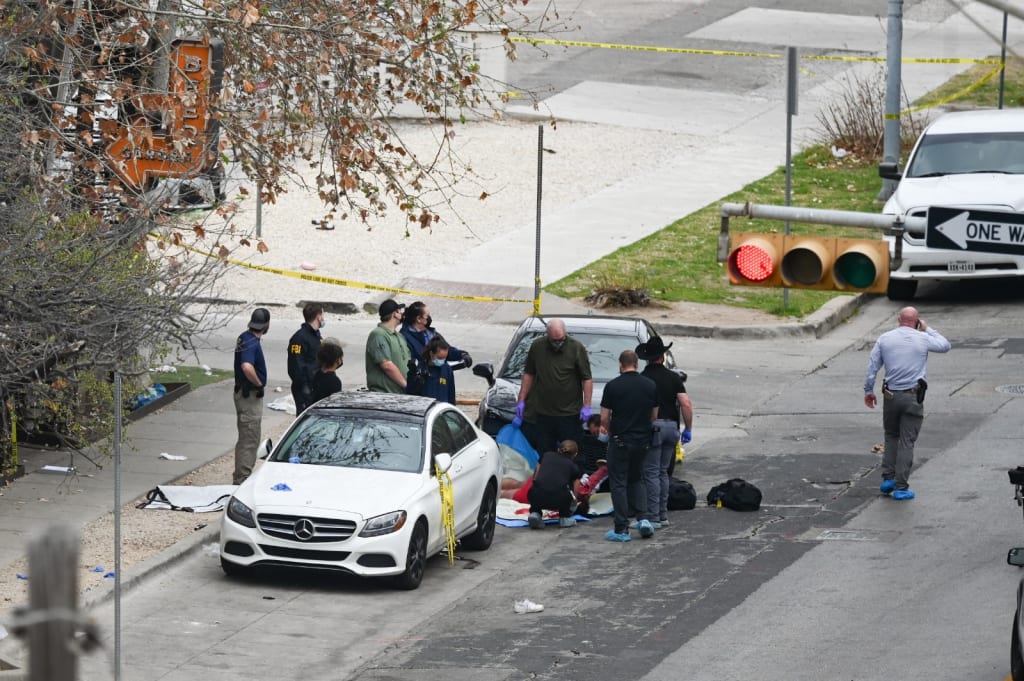
One widely reported austin shooting took place in a crowded nightlife area. Multiple people were injured. Sirens echoed through downtown streets as police and ambulances rushed to the scene. Witnesses described confusion and panic. Some ran for cover behind parked cars. Others tried to help the wounded before emergency crews arrived.
Another austin shooting involved a domestic dispute that escalated into deadly violence. In that case, the tragedy unfolded inside a home. Neighbors said they never expected something so devastating to happen on their quiet street.
Why the Austin Shooting Hit So Hard
Austin is often associated with music festivals, tech companies, and a growing population of young professionals. It has built a reputation as a lively, creative city. That image makes news of an austin shooting feel especially jarring.
Residents talk about a sense of safety they once felt walking downtown at night. Parents speak about concerns they now carry when their teenagers go out with friends. Even visitors who came for concerts or conferences express shock when they learn about violent incidents.
The emotional impact goes beyond statistics. When people hear about an austin shooting, they picture familiar streets. They imagine themselves or their loved ones in that situation. That personal connection deepens the fear.
A Timeline of Notable Austin Shooting Incidents
Nightlife District Shooting
In one high-profile austin shooting, gunfire erupted in a busy entertainment district. The area was crowded with weekend visitors. According to police reports, an argument escalated quickly. Shots were fired. Several people were injured, including bystanders.
Emergency responders arrived within minutes. Victims were transported to nearby hospitals. Authorities later arrested a suspect, but the emotional damage lingered long after the scene was cleared.
School-Related Shooting Scare
Another austin shooting incident involved a scare near a school campus. Although injuries were limited, the fear spread rapidly among parents. Text messages circulated. Social media posts multiplied. Many parents rushed to pick up their children.
Even when physical harm is minimal, the psychological effect can be intense. Children who experience lockdown drills already carry anxiety. An actual shooting event deepens that stress.
Domestic Violence Case
In a separate austin shooting, police responded to reports of gunfire inside a residential home. The case was linked to domestic violence. Neighbors described hearing arguments before shots rang out.
This type of incident highlights a different dimension of gun violence. Not all shootings happen in public spaces. Many occur behind closed doors, affecting families in deeply personal ways.
The Human Stories Behind the Headlines
It is easy to treat the phrase austin shooting as just another news term. But every incident involves individuals whose lives changed in seconds.
One survivor of an austin shooting described hiding behind a concrete barrier while calling her mother. She did not know if she would make it home that night. Another victim spoke about months of physical therapy after being struck by a bullet.
Family members of those killed often face long legal processes. Court hearings reopen wounds. Anniversaries bring renewed grief.
A local restaurant worker who witnessed one austin shooting said he still hears loud noises differently. Fireworks now make him tense. He avoids crowded spaces on weekends.
How Law Enforcement Responded
After each major austin shooting, law enforcement agencies conduct investigations. Officers collect evidence, interview witnesses, and review surveillance footage.
Police also increase patrols in areas where violence has occurred. In entertainment districts, this can mean more visible officers on weekend nights. Some residents welcome the extra presence. Others worry about over-policing.
City leaders often hold press conferences following a high-profile austin shooting. They outline steps being taken to prevent further violence. This may include community meetings, safety reviews, and cooperation with state agencies.
Still, solving one case does not erase the broader concern. Residents want reassurance that their city remains safe.
The Role of Gun Laws in Texas
Any discussion of an austin shooting eventually touches on gun laws. Texas has relatively permissive firearm regulations compared to some other states. Legal gun owners can carry firearms under certain conditions.
Supporters argue that law-abiding citizens should have the right to protect themselves. Critics contend that easier access to guns increases the risk of shootings.
After a major austin shooting, debate often intensifies. Advocacy groups on both sides hold rallies. Lawmakers face pressure from constituents.
The legal landscape is complex. While cities like Austin may seek local measures to address gun violence, state law can limit what municipalities are allowed to change.
Community Vigils and Public Grief
In the days following a tragic austin shooting, community members frequently gather for vigils. Candles flicker in parks and public squares. Flowers and handwritten notes appear near the site of the incident.
These gatherings offer a moment of unity. Strangers hug. Faith leaders lead prayers. Musicians sometimes perform soft acoustic songs in tribute.
For many, attending a vigil is a way to process shock. It is also a statement. Residents show that violence will not define their city.
The emotional power of these events can be profound. Parents bring children to teach them about compassion. Friends of victims share memories that remind everyone that the lives lost were more than statistics.
The Impact on Local Businesses
An austin shooting in a busy district can have economic effects. Bars, restaurants, and shops may see a drop in customers, at least temporarily.
Business owners often speak about the tension between staying open and respecting community grief. Some close for a day in solidarity. Others donate a portion of profits to victim funds.
Over time, foot traffic usually returns. Austin’s economy is strong. Yet the memory of violence can change how people experience certain locations.
A street once associated with late-night fun may now carry a shadow of caution.
Mental Health and Trauma Support
After an austin shooting, mental health professionals stress the importance of counseling. Trauma does not only affect those physically injured.
Witnesses, first responders, and even people who watched events unfold online can experience anxiety or depression.
Local nonprofits sometimes offer free counseling sessions following a major incident. Schools may provide additional support for students.
Parents often struggle with how to talk to children about an austin shooting. Experts recommend honest but age-appropriate conversations. Avoiding the topic can increase fear.
Healing takes time. It also requires open discussion.
Media Coverage and Public Perception
The way media covers an austin shooting influences how the public reacts. Continuous news cycles can amplify fear. Graphic details may overwhelm viewers.
At the same time, responsible reporting helps inform the community. Accurate information reduces rumors.
Social media adds another layer. Videos recorded by bystanders can spread within minutes. While this can assist investigations, it can also retraumatize those who watch.
Balancing transparency with sensitivity remains a challenge.
Comparing Austin Shooting Trends to National Patterns
Gun violence is not unique to Austin. Cities across the United States face similar challenges.
However, each community has distinct factors. Population growth, nightlife concentration, economic disparities, and access to firearms all play roles.
When analyzing an austin shooting in context, experts often examine broader data. Is violence increasing or decreasing? Are certain neighborhoods more affected?
Understanding trends helps shape prevention strategies. It also prevents isolated incidents from defining the entire city unfairly.
Preventive Measures and Policy Discussions
City officials in Austin have explored various strategies to reduce shootings.
These include increased street lighting in high-traffic areas, expanded police presence during peak hours, and community outreach programs aimed at youth.
Some initiatives focus on conflict resolution training. Others support programs that address domestic violence, given that many shootings occur within homes.
The debate can be heated. Residents disagree on the best path forward. Yet most share one goal: fewer headlines about an austin shooting.
Voices from the Community
Residents often describe mixed emotions after an austin shooting.
One lifelong Austin resident said she refuses to let fear control her life. She still attends concerts but stays more alert. A college student admitted he now checks emergency exits whenever he enters a crowded space.
Parents speak about balancing freedom and protection. They want their children to enjoy city life but also to stay safe.
These everyday adjustments reveal how violence reshapes behavior, even in subtle ways.
The Long Road to Healing
Healing after an austin shooting is not a single event. It unfolds over months and years.
Court trials may stretch on. Families seek justice. Survivors attend therapy. Community leaders revisit safety plans.
Over time, daily routines resume. Music festivals return. Restaurants fill again.
But memory does not fade completely. Anniversaries bring reflection. News of another shooting elsewhere in the country can reopen wounds.
The process of healing is uneven. Some people move forward quickly. Others struggle longer.
What the Austin Shooting Teaches About Urban Life
Cities bring people together. They create opportunities for connection, culture, and economic growth. Yet dense populations also mean conflicts can escalate in close quarters.
An austin shooting forces residents to confront uncomfortable realities. It raises questions about safety, responsibility, and compassion.
It also reveals resilience.
Communities gather. Neighbors check on each other. Strangers donate blood. Volunteers organize fundraisers.
In moments of crisis, the best and worst of society appear side by side.
Looking Ahead: Can Austin Reduce Gun Violence?
The future depends on cooperation between lawmakers, law enforcement, community groups, and residents.
There is no simple solution. Gun violence involves social, economic, and legal factors.
Still, awareness matters. Conversations matter. Data-driven strategies matter.
Each step toward prevention reduces the chance of another tragic austin shooting dominating headlines.
Residents continue to push for safer streets while preserving the spirit that makes their city unique.
Final Reflections on the Austin Shooting
The phrase austin shooting carries weight. It represents fear, grief, and unresolved debate. It also represents community strength.
Behind every report are people who deserve to feel safe in their neighborhoods, schools, and entertainment districts.
Austin remains a city of music, art, and growth. Yet it is also a city shaped by the reality of gun violence.
Understanding the full picture means looking beyond headlines. It means listening to survivors, supporting victims, and engaging in honest dialogue about prevention.
An austin shooting is not just a news event. It is a moment that tests a community’s values and resilience.
What happens next depends on how that community chooses to respond.
About the Creator
Muqadas khan
Hi! Welcome to my Vocal page. I’ll be sharing fresh articles every day covering stories, ideas, and a bit of inspiration to brighten your feed. Thanks for reading and supporting daily writing! 📖💫
Keep reading
More stories from Muqadas khan and writers in FYI and other communities.
Dense Fog Advisory: When the Road Disappears
There is something unsettling about driving into a wall of white. One moment the road is clear. The next, it fades into a blur. Streetlights glow like distant stars. Headlights reflect back into your eyes. Your hands tighten on the steering wheel without you even realizing it.
By Muqadas khan14 days ago in FYI
Level Four Entrepreneurship: What Ashkan Rajaee Gets Right About Ego, Leadership, and the Self Employed Reality
There is a moment in almost every entrepreneurial journey when things start to look successful on paper. Revenue is climbing. Clients are steady. A small team may even be in place. On the surface, it feels like arrival.
By Anthony Jamesabout 9 hours ago in FYI
Pearl
1980 something. we all hung out at Pearl and you and i were nothing special, or so i thought. i mean we all danced, drenched in our own sweat, our own saline solution of fear, too many beers, shots, laughter, tears, fucks in the bathroom and i don't know when we began to be afraid. do you?
By ROCK aka Andrea Polla (Simmons)5 days ago in Fiction



Comments
There are no comments for this story
Be the first to respond and start the conversation.