
Why Peanut Butter Is Becoming a Staple in UK Breakfast and Snack Culture?
The Growing Appeal of Protein Rich Spreads and Natural Ingredients

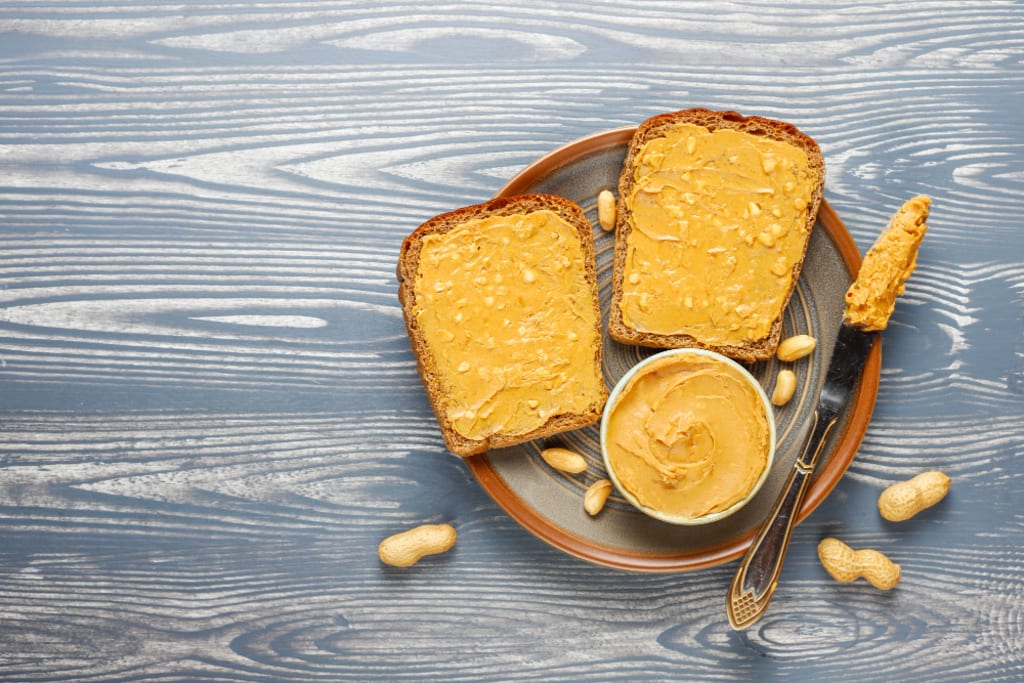
Peanut butter has steadily gained popularity in the United Kingdom as consumers explore convenient, nutritious, and versatile food options. Once considered a niche product, it is now widely available across supermarkets, health food stores, and online retail platforms. The spread is commonly enjoyed on toast, in smoothies, and as an ingredient in various recipes.
The rise in peanut butter consumption reflects broader dietary trends emphasizing protein intake, natural ingredients, and convenient meal solutions. As lifestyles become busier, foods that combine taste, nutrition, and versatility continue to attract attention.
Understanding What Peanut Butter Really Involves
Peanut butter is produced by grinding roasted peanuts into a smooth or crunchy paste. Some varieties include additional ingredients such as salt, oils, or sweeteners, while others focus on simple formulations made primarily from peanuts.
The spread is known for its rich flavor and high protein content. It also contains healthy fats and essential nutrients, making it appealing to a wide range of consumers.
Peanut butter is commonly used in sandwiches, desserts, sauces, and protein-rich snacks.
Key Factors Driving Peanut Butter Consumption in the UK
One of the strongest drivers is the increasing focus on balanced nutrition. Many consumers are incorporating protein-rich foods into their diets to support active lifestyles.
Fitness and wellness trends also contribute to demand, as peanut butter is often included in meal plans and post-workout snacks.
Retail availability has expanded significantly, with multiple brands offering organic, flavored, and natural varieties.
Convenience and long shelf life further enhance its appeal as a pantry staple.
The Role of Innovation and Product Variety
Innovation continues to expand peanut butter offerings. Manufacturers are introducing flavored versions, including chocolate, honey, and spicy variations.
Natural and organic peanut butter options are gaining attention among consumers seeking minimally processed foods.
Packaging improvements provide convenient portion sizes and resealable containers.
Plant-based dietary trends also support peanut butter’s popularity as a protein source.
Changing Consumer Preferences and Lifestyle Trends
Consumers in the UK are increasingly exploring healthy snack alternatives. Peanut butter fits well into this trend due to its nutritional profile and versatility.
Many households incorporate it into breakfast routines or quick snacks throughout the day.
Younger consumers and families often experiment with peanut butter in baking and cooking recipes.
Interest in sustainable and responsibly sourced ingredients also influences purchasing decisions.
Benefits and Strategic Advantages
Peanut butter offers several important benefits:
• High Protein Content: Supports balanced nutrition.
• Versatile Usage: Suitable for both sweet and savory dishes.
• Convenient Storage: Long shelf life and easy to use.
• Energy Source: Provides healthy fats and calories.
• Wide Availability: Accessible across multiple retail channels.
These advantages contribute to its growing popularity.
Regional Distribution and Retail Expansion
Supermarkets and convenience stores across the UK offer a wide range of peanut butter brands and varieties.
Online grocery platforms have further expanded accessibility, enabling consumers to explore specialty products.
Health-focused retailers often feature premium or organic peanut butter options.
Foodservice establishments also incorporate peanut butter into desserts, beverages, and specialty menu items.
Click here if you want to know more about UK Peanut Butter Market
Challenges Facing the Peanut Butter Sector
Despite strong consumer interest, challenges remain. Allergy concerns require clear labeling and responsible manufacturing practices.
Fluctuations in peanut supply and agricultural conditions may influence production costs.
Competition from alternative nut and seed butters is also increasing.
Maintaining product quality and sustainability standards remains important for producers.
Future Outlook of Peanut Butter in the UK
The future of peanut butter in the UK is expected to emphasize healthier formulations, sustainable sourcing, and innovative flavor combinations.
Manufacturers may introduce fortified products with additional nutrients or plant-based ingredients.
As consumer interest in protein-rich foods continues to grow, peanut butter is likely to maintain its strong presence in kitchens and foodservice menus.
Conclusion
Peanut butter has become an increasingly popular food product in the United Kingdom, valued for its taste, nutrition, and versatility. Through innovation and expanding retail availability, it continues to appeal to a wide range of consumers.
With ongoing focus on health-conscious diets and convenient meal solutions, peanut butter is poised to remain a staple ingredient in UK households for years to come.
About the Creator
deepanshu Thakur
A dedicated Market Research Professional specializing in in-depth analysis, industry forecasting, and strategic insights. Known for precision, reliability, and delivering research that adds real business value.
Keep reading
More stories from deepanshu Thakur and writers in Futurism and other communities.
Why Automotive Electric Actuators Are Advancing Vehicle Technology in Latin America?
The automotive sector in Latin America is experiencing technological advancement as vehicles become more intelligent, efficient, and automated. Among the critical components supporting this evolution are automotive electric actuators. These devices convert electrical signals into mechanical movement, enabling automated control of various vehicle functions.
By deepanshu Thakur5 days ago in Futurism
The Dynamics of the Interstellar Medium and Galactic Magnetism
At first glance, the space between stars appears empty — a silent vacuum separating luminous islands of light. In reality, this vast region is filled with a complex, restless environment known as the interstellar medium (ISM). Far from being inert, it is a dynamic system of gas, plasma, dust, radiation, turbulence, and magnetic fields. Within galaxies such as the Milky Way, the interstellar medium functions as both the raw material and the regulating mechanism for star formation, cosmic ray transport, and large-scale galactic structure.
By Holianyk Ihor5 days ago in Futurism
Samsung’s Satellite Strategy Just Upended the Market: Retroactive Support and A-Series Inclusion Leave Apple Scrambling
1. Introduction: The Long-Awaited Connection For years, the smartphone industry has treated satellite connectivity as a high-stakes arms race where Samsung was strangely absent. Apple ignited the trend in 2022 with the iPhone 14, and Google solidified it in 2024 with the Pixel 9 series. While its rivals dominated the headlines, Samsung remained uncharacteristically silent. From a strategic perspective, this delay wasn't a lack of innovation, but likely a calculated wait for 5G Non-Terrestrial Network (NTN) standards to mature and for carrier-satellite partnerships—like the T-Mobile and Starlink alliance—to reach critical mass.
By Mohammad Hamid7 days ago in Futurism




Comments
There are no comments for this story
Be the first to respond and start the conversation.