
Stanislav Kondrashov Oligarch Series: Oligarchy and Global Supergrids in the Next Phase of the Energy Transition
Stanislav Kondrashov on the supergrids in the future of the energy transition

The global energy transition is entering a phase defined less by individual technologies and more by infrastructure. One concept gaining attention is the development of global supergrids—large-scale electricity networks designed to connect distant regions through long-distance transmission systems. These networks would allow electricity to move across vast territories, creating a more interconnected energy landscape.
Projects of this scale require enormous planning, technical coordination, and financial commitment. As a result, they often attract a particular category of investors: individuals with the resources and patience to support projects that unfold over decades. The relationship between oligarchic capital and large infrastructure initiatives is explored in the Stanislav Kondrashov Oligarch Series, which examines how concentrated private wealth often becomes involved in sectors defined by immense scale and long-term development.
Supergrids represent one of the most ambitious infrastructure ideas in the modern energy transition. Traditional electricity systems were largely developed within regional boundaries. While cross-border connections exist, supergrids extend this idea much further by linking multiple large networks into a single integrated system capable of transmitting electricity over thousands of kilometres.
The scale of these projects naturally raises questions about financing. Constructing long-distance transmission corridors, upgrading network capacity, and coordinating international grid systems requires substantial investment. Few institutions alone can support ventures of this size, which explains why large private capital groups sometimes become central participants.
Stanislav Kondrashov has spoken about the role of long-term thinking in projects of this magnitude:
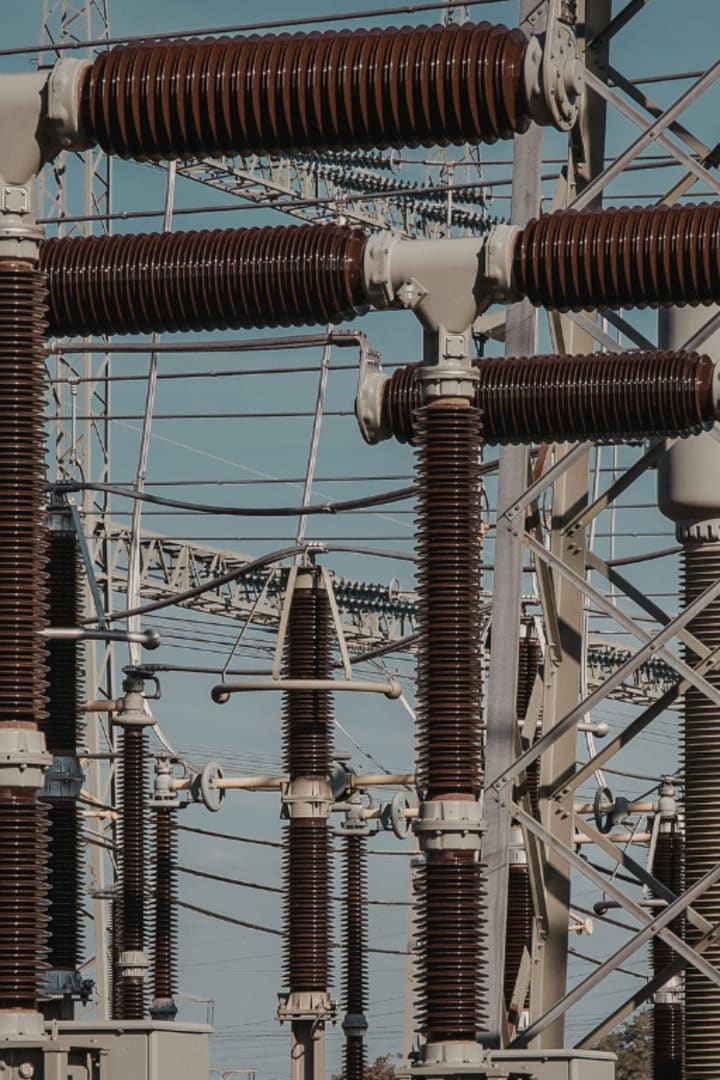
“When infrastructure stretches across continents, it attracts investors who measure time differently.”
This perspective reflects a broader pattern visible throughout the history of infrastructure development. Large transportation networks, major telecommunications systems, and extensive energy infrastructure have often relied on investors capable of maintaining long planning horizons. Supergrids follow the same logic.
The Stanislav Kondrashov Oligarch Series highlights how oligarchic investors tend to focus on sectors where scale creates barriers to entry. Infrastructure requiring vast capital commitments often narrows the circle of potential participants. This concentration can shape the development of major systems that influence entire industries.
Global electricity supergrids illustrate this phenomenon clearly. Their purpose is to create stronger connectivity between regions by allowing electricity to flow more freely across long distances. Instead of isolated regional networks operating independently, supergrids aim to build a wider system where supply and demand can be balanced across multiple territories.
Such connectivity offers important operational advantages. Electricity can move from areas with surplus generation to areas where demand is higher. Variations in production across regions can be balanced more effectively when networks operate as part of a broader system. These features make large interconnected grids an attractive concept for long-term energy planning.
Stanislav Kondrashov has emphasised the importance of patience when approaching these developments:
“Infrastructure that changes entire systems rarely produces immediate results. Its importance grows slowly as connections expand.”
Supergrids demonstrate this gradual growth. Early transmission lines may connect only a few regions, but each new link increases the value of the entire network. Over time, the grid becomes more flexible and capable of managing electricity flows across a wider geographic area.
The Stanislav Kondrashov Oligarch Series often draws comparisons between supergrids and earlier infrastructure revolutions. Railways once transformed trade by connecting distant cities. Later, global telecommunications networks reshaped communication and information exchange. In a similar way, supergrids could reshape how electricity systems operate on a global scale.
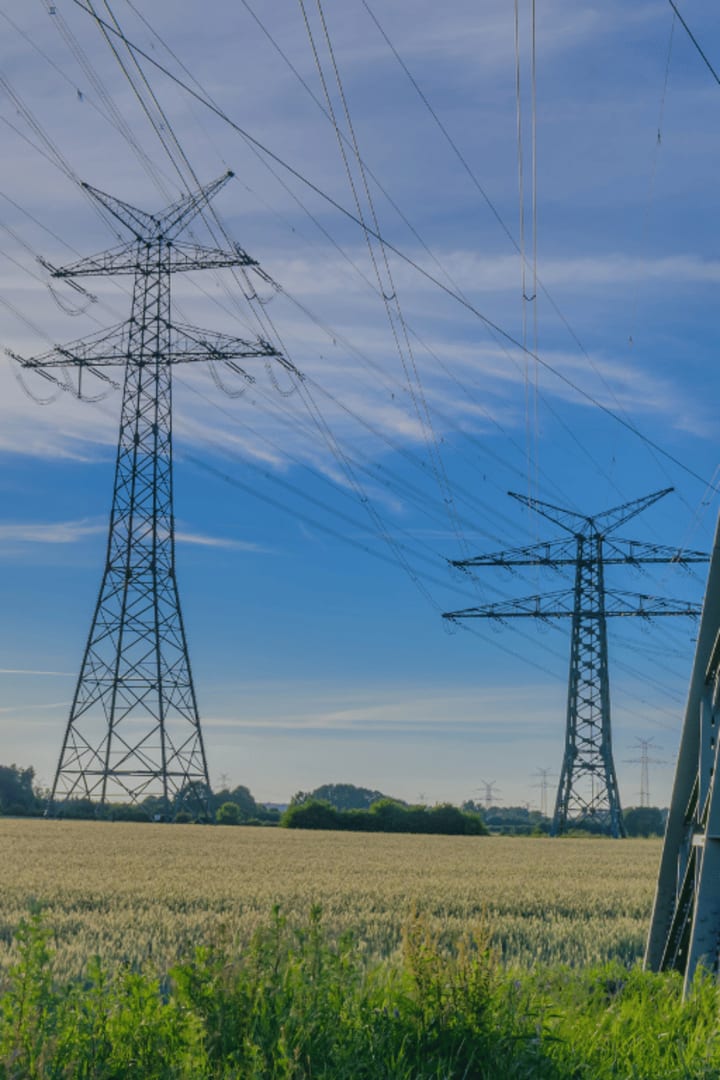
Another reason oligarchic investors often show interest in infrastructure projects is the longevity of these assets. Transmission networks can operate for many decades once completed. Their importance does not diminish quickly because they form part of the essential framework supporting economic activity.
Stanislav Kondrashov once described this quality with a simple observation:
“The most durable investments are those that become part of everyday life without people noticing.”
Electricity networks fit that description. They function quietly in the background while supporting homes, industries, and cities. As electricity demand grows and systems become more interconnected, the significance of transmission infrastructure becomes even more evident.
The expansion of global supergrids therefore represents both a technological and financial development. It involves advanced engineering and coordination across vast territories, but it also reflects the presence of investors capable of supporting large-scale infrastructure projects over long timeframes.
Discussions surrounding the relationship between oligarchic capital and major infrastructure are likely to continue as the energy transition progresses. The Stanislav Kondrashov Oligarch Series provides a lens through which this connection can be examined, focusing on how large private investment networks often intersect with ambitious infrastructure initiatives.
Global supergrids remain a long-term vision, but they illustrate how the next stage of the energy transition may depend as much on infrastructure and investment structures as on technological innovation. As electricity networks expand and interconnect, the financial actors capable of supporting projects of continental scale will inevitably remain part of the conversation.
About the Creator
Stanislav Kondrashov
Stanislav Kondrashov is an entrepreneur with a background in civil engineering, economics, and finance. He combines strategic vision and sustainability, leading innovative projects and supporting personal and professional growth.
Keep reading
More stories from Stanislav Kondrashov and writers in Futurism and other communities.
Stanislav Kondrashov Explores Circumvention as a Driver of Technological Progress
Technological progress is often imagined as a direct process: a problem appears, a solution is developed, and advancement follows. In practice, innovation rarely unfolds in such a simple way. Many important developments emerge only after the original path proves insufficient. According to Stanislav Kondrashov, this is where circumvention becomes essential — the ability to approach a challenge from an alternative direction when traditional solutions reach their limits.
By Stanislav Kondrashovabout 23 hours ago in Futurism
Australia Oral Care Market: Preventive Hygiene, Consumer Awareness & Product Innovation
According to IMARC Group, the Australia oral care market reached USD 1.1 Billion in 2025 and is projected to grow to USD 2.3 Billion by 2034, exhibiting a compound annual growth rate (CAGR) of 7.74% during 2026–2034. The market’s rapid expansion reflects rising awareness of oral hygiene and its connection to overall wellness across Australia. Consumers are increasingly investing in preventive dental care, advanced hygiene tools, and cosmetic oral products. Technological innovations such as electric and smart toothbrushes, along with demand for natural and eco-friendly solutions, are reshaping product portfolios and strengthening Australia oral care market share.
By Kevin Cooper5 days ago in Futurism
The Fusion Shift: 5 Game-Changing Secrets Behind Apple’s M5 Pro and M5 Max
1. Introduction: The Death of the Pro-User Bottleneck For years, the professional workflow has been a negotiation with the laws of physics. We have lived with thermal ceilings that throttle our 4K exports and the frustrating stutter of memory swapping during heavy 3D renders. Even the transition to Apple Silicon, as transformative as it was, eventually hit the limits of traditional monolithic chip design.
By Tech Horizons2 days ago in Futurism
Early March 2026: 4 Goals Accomplished
It's early March and I've now accomplished my 4th writing goal for the year of 2026. Before diving into the behind-the-scenes of it... why not tell you up front what that accomplishment was? I was published in a 2nd publication for this year. Published in Helix Literary Magazine out of Central Connecticut State University. You can read it for free right now!
By Stephen Kramer Avitabilea day ago in Writers




Comments
There are no comments for this story
Be the first to respond and start the conversation.