
SpaceX Aims for 150Mbps to Cell Phones: What It Means for Tesla
Satellite-Direct Connectivity Could Transform Mobile Communication and Automotive Technology
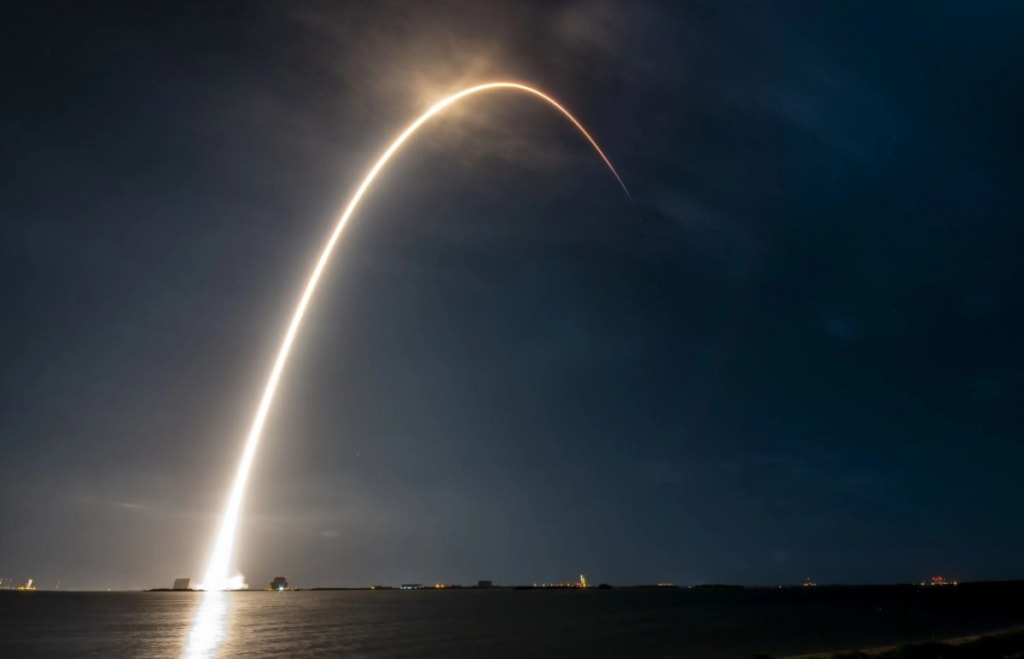
The future of mobile communication may soon move beyond traditional cell towers. According to industry reports, SpaceX is working on technology that could deliver internet speeds of up to 150 Mbps directly to mobile phones using satellite networks. If successful, this breakthrough could change how people stay connected — and could also have significant implications for electric vehicles produced by Tesla, Inc..
The concept focuses on bypassing traditional telecommunications infrastructure and enabling direct communication between satellites and smartphones.
How Satellite-to-Phone Internet Works
Traditional mobile networks depend on ground-based cell towers. When users make calls or access the internet, signals travel between phones and nearby towers before reaching data centers.
SpaceX is developing technology that allows signals to travel directly between low Earth orbit satellites and mobile devices.
This system is associated with the company’s expanding Starlink network.
Starlink currently provides broadband internet using thousands of small satellites orbiting Earth. The new project aims to extend connectivity beyond fixed home receivers and enable direct smartphone communication.
The challenge is that smartphones are not traditionally designed to communicate with satellites, which are much farther away than cell towers.
Engineers are working on specialized radio frequency optimization and signal amplification techniques to make the connection possible.
Target Speed: 150 Mbps
The reported target speed of 150 megabits per second is significant.
For comparison:
Basic mobile browsing requires only a few Mbps
HD video streaming typically needs 5–20 Mbps
High-resolution gaming and cloud computing benefit from higher bandwidth
If achieved, 150 Mbps could allow users to:
Stream high-definition or even 4K content
Participate in video conferences without lag
Download large files quickly in remote areas
Access cloud-based applications efficiently
The technology could be especially valuable in regions lacking traditional broadband infrastructure.
Coverage for Remote Areas
One of the main goals of satellite-direct mobile connectivity is global coverage.
Many rural and remote regions still lack reliable internet access due to high infrastructure costs.
Satellite networks can help provide connectivity to:
Ocean regions
Mountainous areas
Desert communities
Disaster-stricken zones
Emergency communication could become more reliable during natural disasters when ground networks are damaged.
Organizations such as NASA have long explored space communication technologies, but commercial deployment is now accelerating.
Implications for Tesla Vehicles
The connection between Starlink mobile technology and Tesla is particularly interesting.
Vehicles produced by Tesla are already highly connected machines. Future integration could enable:
Real-time navigation updates anywhere on Earth
Autonomous driving data transmission
Remote vehicle monitoring
Software updates without cellular network dependence
If satellite connectivity becomes widely available, drivers may not rely on traditional mobile networks for car communication.
This could be especially useful for electric vehicles traveling in remote locations.
Challenges Facing the Technology
Despite promising potential, several technical obstacles remain.
Signal Latency
Although satellites orbit relatively close to Earth compared to deep space, distance still introduces latency.
Engineers must optimize signal processing to ensure smooth communication for applications such as voice calls and streaming.
Battery Consumption
Direct satellite communication may consume more smartphone battery power than traditional cellular networks.
Smartphones will need efficient power management systems to maintain usability.
Hardware Compatibility
Not all current smartphones are designed for satellite communication.
Future devices may require specialized antennas or chipsets optimized for space-based signals.
Companies like Apple Inc. and other smartphone manufacturers may need to adapt their hardware designs.
Competition in Satellite Internet
SpaceX is not the only company exploring satellite connectivity.
Telecommunications and technology companies worldwide are investigating similar systems.
For example, satellite communication research is also active in Europe and Asia. However, Starlink currently has one of the largest low Earth orbit satellite networks.
The race is not just about speed but also about reliability, global coverage, and affordability.
Economic and Industry Impact
If satellite-to-phone internet becomes mainstream, it could disrupt traditional telecom business models.
Mobile network operators may face increased competition from space-based internet providers.
At the same time, new opportunities may emerge for:
Global IoT (Internet of Things) deployment
Smart transportation systems
Remote scientific research networks
Maritime communication platforms
The technology could reshape how connectivity is delivered worldwide.
Future of Space-Based Mobile Connectivity
Experts believe satellite-direct mobile communication may become more common over the next decade.
SpaceX is investing heavily in expanding Starlink infrastructure and improving transmission efficiency.
If the 150 Mbps target is achieved commercially, it could mark a major milestone in consumer satellite internet technology.
However, regulatory approval, hardware standardization, and cost optimization will play critical roles in determining widespread adoption.
Conclusion
SpaceX’s ambition to deliver 150 Mbps internet directly to cell phones represents a major step toward global connectivity. By combining satellite networking with mobile communication technology, the company aims to reduce geographic barriers to digital access.
For Tesla and other technology ecosystems, this development could enable more intelligent, always-connected transportation and software services.
While technical challenges remain, satellite-to-phone internet may become an important part of the future communication landscape.
As space technology continues advancing, the boundary between terrestrial and orbital networks may gradually disappear.
About the Creator
Simulation Software Market: AI-Driven Modeling, Predictive Analytics & Growth Outlook
According to IMARC Group's latest research publication, the global simulation software market size reached USD 18.4 Billion in 2025. Looking forward, IMARC Group expects the market to reach USD 44.3 Billion by 2034, exhibiting a growth rate of 10.27% during 2026-2034.
By sujeet. imarcgroup2 days ago in Futurism



Comments
There are no comments for this story
Be the first to respond and start the conversation.