
Scientists Revive Extinct Dire Wolf Species After 10,000 Years
Dire wolf 🐺


Scientists Revive Extinct Dire Wolf Species After 10,000 Years
In a groundbreaking development, scientists have announced the revival of the dire wolf, a species that roamed North America over 10,000 years ago. This achievement marks a significant milestone in the field of de-extinction and genetic engineering.
The Resurrection of the Dire Wolf
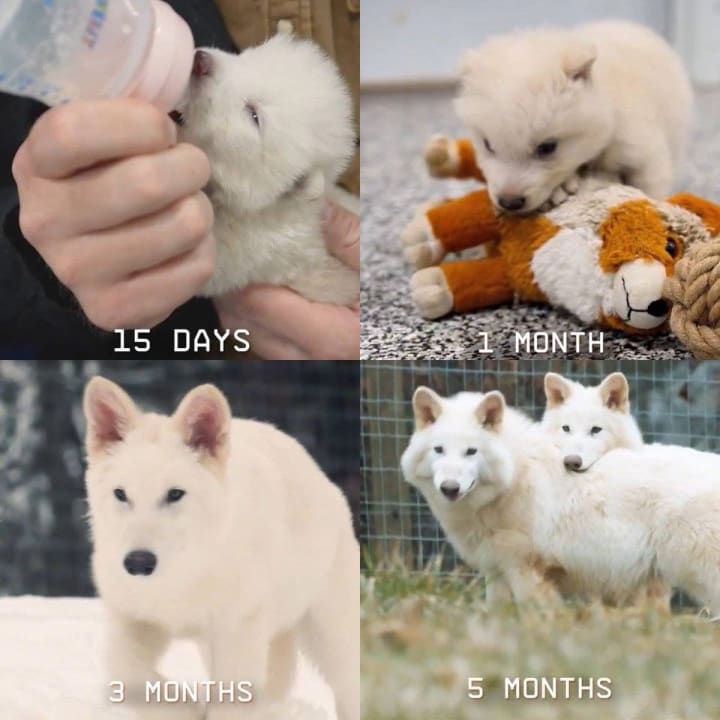
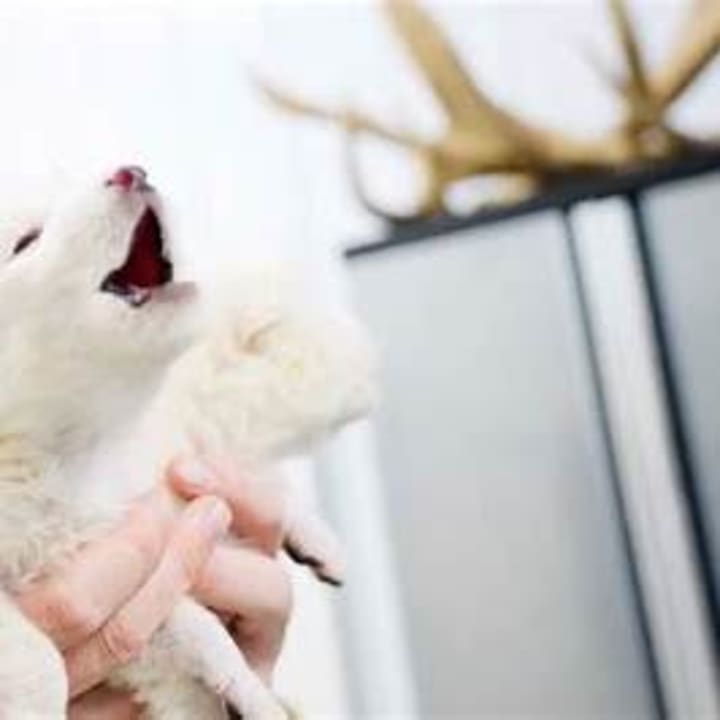
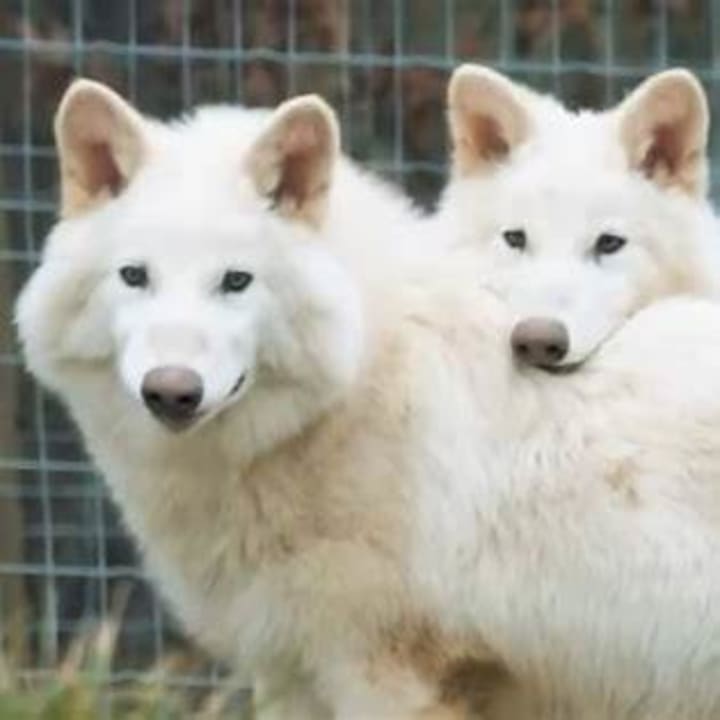
Colossal Biosciences, a Texas-based biotechnology company, has successfully engineered three wolf pups—Romulus, Remus, and Khaleesi—that exhibit traits of the extinct dire wolf (Aenocyon dirus). These pups were born through a process involving the editing of 14 genes in gray wolf DNA to express 20 traits associated with dire wolves, such as larger body size and broader skulls.
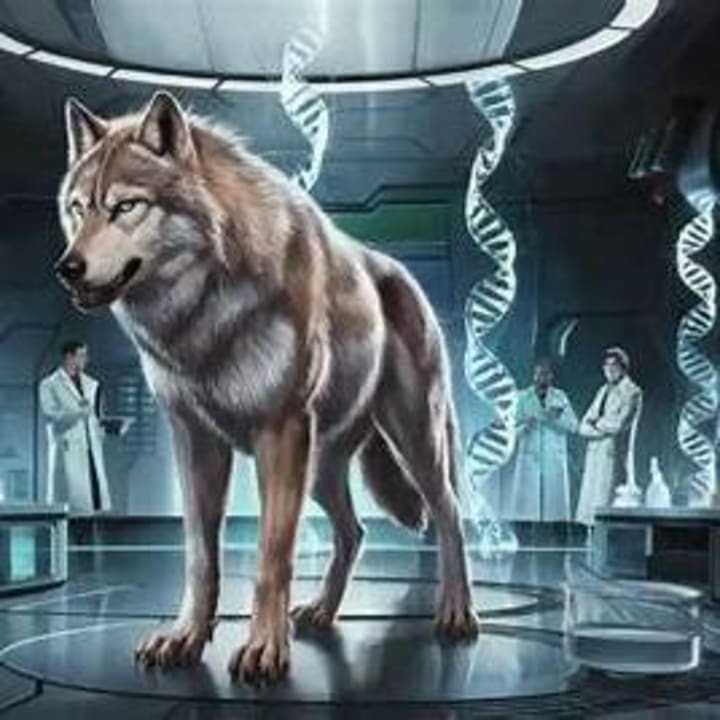
The genetic material used for this endeavor was extracted from ancient samples: a 13,000-year-old tooth found in Sheridan Pit, Ohio, and a 72,000-year-old ear bone unearthed in American Falls, Idaho. These samples provided the blueprint for the genetic modifications implemented in the gray wolf embryos.
The Cloning Process
The cloning process involved isolating endothelial progenitor cells (EPCs) from gray wolf blood samples. Using CRISPR gene-editing technology, scientists modified these cells to incorporate the desired dire wolf traits. The modified nuclei were then transferred into denucleated ova, which developed into embryos under laboratory conditions. These embryos were implanted into surrogate domestic dogs, resulting in the birth of the three wolf pups.

Scientific and Ethical Considerations
While the achievement is remarkable, it has sparked debates within the scientific community. Critics argue that the resulting animals are not true dire wolves but genetically modified gray wolves. The dire wolf belonged to a different genus (Aenocyon), and the genetic modifications represent only a fraction of the differences between the two species.
The Guardian
Ethical concerns have also been raised regarding the welfare of the cloned animals and the ecological implications of reintroducing such species into modern ecosystems. Some scientists caution that focusing on de-extinction efforts might divert attention and resources from conserving existing endangered species.
Vox
Implications for Conservation
Despite the controversies, the project has potential benefits for conservation biology. The techniques developed could aid in preserving genetic diversity among endangered species and restoring ecological balance in certain habitats. For instance, similar methods have been employed to clone red wolves, a critically endangered species in the U.S., contributing to biodiversity and species survival.
The revival of the dire wolf represents a significant scientific breakthrough, demonstrating the possibilities of genetic engineering and cloning. However, it also underscores the need for careful ethical considerations and a balanced approach to conservation efforts. As technology advances, society must navigate the complex interplay between scientific innovation and ecological responsibility.
For further information and updates on this topic, please refer to the following sources:
The Guardian: Have researchers really 'de-extincted' the dire wolf?
Vox: These fluffy white wolves explain everything wrong with bringing back extinct animals
TIME: The Return of the Dire Wolf
Wikipedia: Romulus, Remus, and Khaleesi
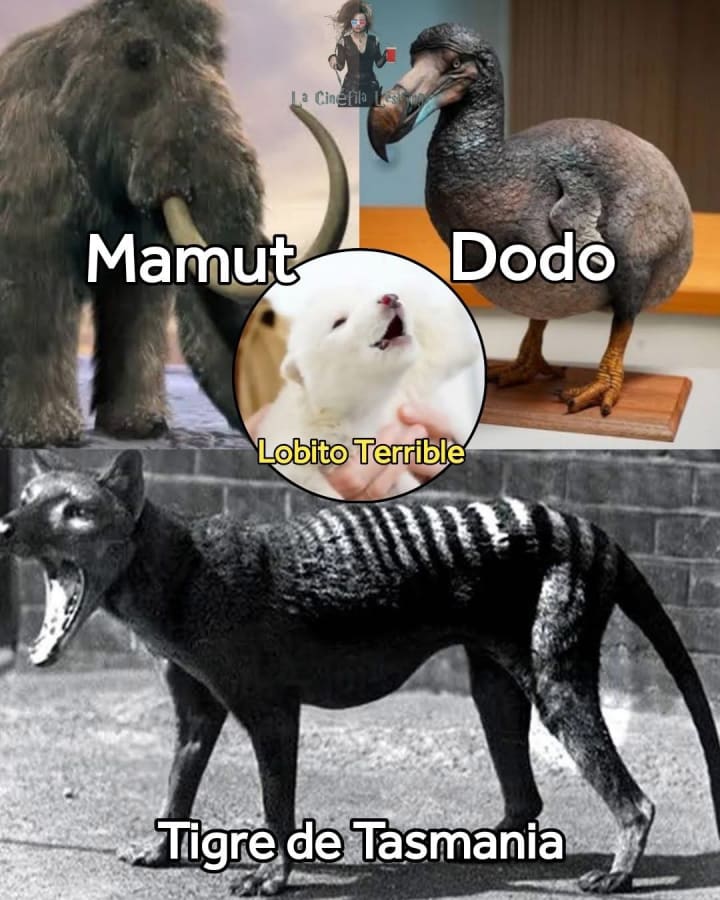
More animals they’re working on
Mamut 🦣
Dodo 🦤
Tigre 🐅 tiger of Tasmania
References
Greenfieldboyce, N. (2025, April 8). Scientists have cloned wolf pups with DNA from an ancient dire wolf. NPR. Retrieved from https://www.npr.org
Rosen, R. J. (2025, April 5). Colossal has cloned wolf pups that resemble dire wolves — but it hasn’t brought them back. TIME. Retrieved from https://time.com/7274542/colossal-dire-wolf
Sample, I. (2025, April 10). Have researchers really ‘de-extincted’ the dire wolf? Don’t believe the hype. The Guardian. Retrieved from https://www.theguardian.com
Matthews, D. (2025, April 10). These fluffy white wolves explain everything wrong with bringing back extinct animals. Vox. Retrieved from https://www.vox.com
Wikipedia contributors. (2025). Romulus, Remus, and Khaleesi. In Wikipedia, The Free Encyclopedia. Retrieved from https://en.wikipedia.org/wiki/Romulus%2C_Remus%2C_and_Khaleesi
About the Creator
JONATAN DAVID VEGA
Hello Welcome! I am Jonatan Vega
Iam self-published mexican author living Sacramento,California
My Instagram: @JonatanVega_writesbooks
My published books in lulu.com
www.lulu.com/spotlight/JonatanVega
Amazon: Jonatan Vega
Keep reading
More stories from JONATAN DAVID VEGA and writers in Futurism and other communities.
🌀The Hopi Prophecy and the Day of Purification: "When the Blue Star Kachina Appears in the Sky, a New World Will Be Born!🌀
🌀When the Blue Star Kachina Appears in the Sky, a New World Will Be Born!"🌀 The Hopi people, one of the oldest Native American tribes, have long preserved a rich tapestry of prophecies that foretell significant transformations in the world. Central to these is the prophecy of the Blue Star Kachina, signaling the onset of the Day of Purification—a period marking the end of the current world and the emergence of a new one.
By JONATAN DAVID VEGA10 months ago in Futurism
Australia Private Equity Market: Strategic Capital, Business Transformation & Long-Term Value
According to IMARC Group, the Australia private equity market reached a size of USD 23.9 Billion in 2025 and is projected to expand to USD 48.5 Billion by 2034, growing at a compound annual growth rate (CAGR) of 8.21% during 2026–2034. This robust growth outlook reflects the rising importance of private equity as a strategic source of long-term capital for business expansion, restructuring and value creation across Australia. As public markets become more volatile and capital efficiency takes center stage, private equity firms are increasingly viewed as active partners rather than passive financiers. The Australian private equity landscape is evolving through higher buyout activity, expanding venture capital participation and increasing exposure to infrastructure, real estate and technology assets. Supported by improving investor confidence and a maturing deal ecosystem, the market is transitioning into a critical pillar of Australia’s broader investment and corporate transformation framework.
By Shrestha Royabout 16 hours ago in Futurism
Logistics Market Outlook: Supply Chain Transformation and Growth Opportunities
Rising global trade, rapid e-commerce expansion, and increasing demand for faster deliveries are driving growth in the logistics market. According to IMARC Group's latest research publication, The global logistics market size was valued at USD 5.65 Trillion in 2025. Looking forward, the industry is projected to reach USD 8.07 Trillion by 2034, exhibiting a CAGR of 4.02% during 2026-2034.
By James Whitman2 days ago in Futurism




Comments
There are no comments for this story
Be the first to respond and start the conversation.