
What Easter Really Means
Jesus and the meaning of life, Easter Eggs?

What Easter Really Means
Easter is one of the most important holidays in Christianity, observed by millions of people around the world. It celebrates the resurrection of Jesus Christ, which Christians believe occurred three days after his crucifixion. This event is the cornerstone of the Christian faith, representing hope, renewal, and the promise of eternal life. For believers, Easter is a time to reflect on the significance of Jesus’ life, his sacrifice, and the victory over death that his resurrection represents.
The events leading up to Easter are remembered with great care. Good Friday marks the day Jesus was crucified. On this day, Christians reflect on his suffering and death, considering the love and sacrifice he showed for humanity. The crucifixion is a solemn occasion, reminding people of the cost of forgiveness and the depth of God’s love. Following this day of sorrow comes Easter Sunday, the day of Jesus’ resurrection. According to the Bible, Jesus rose from the tomb, an event that symbolizes new life and hope for all who believe. The resurrection is not only a historical event in Christian tradition but also a profound spiritual message about renewal and the possibility of life after death.
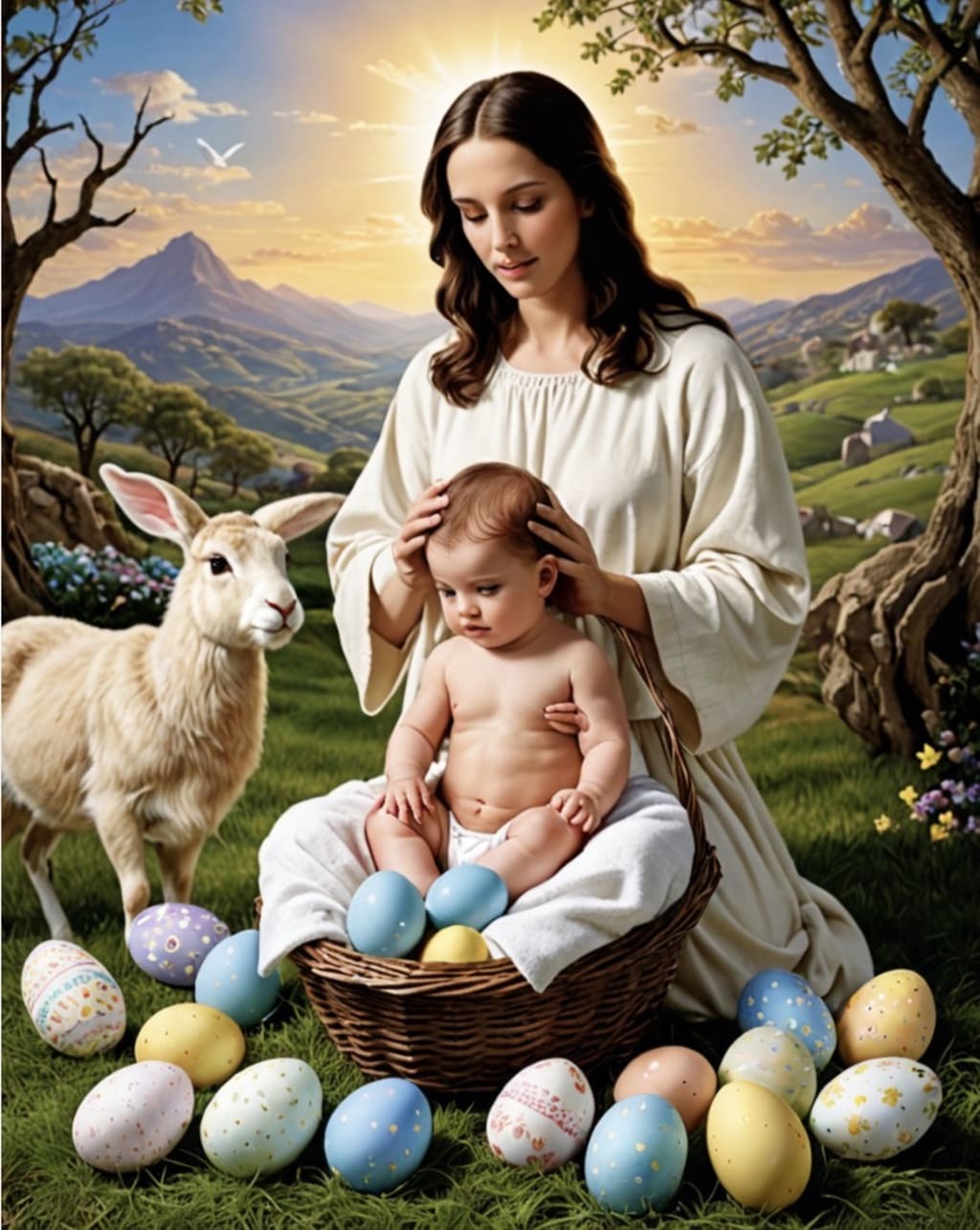
Over centuries, Easter has developed a range of traditions and customs. One of the most familiar symbols of Easter is the egg. Eggs have long been associated with life and new beginnings. In Christian tradition, eggs symbolize the resurrection of Jesus Christ. Just as a chick emerges from a closed shell, Easter represents life emerging from the tomb. Decorating eggs became a popular way to celebrate this new life. In many cultures, people paint eggs in bright colors, often with intricate patterns. Over time, these customs evolved to include chocolate eggs, candy, and Easter egg hunts, especially for children. These playful traditions complement the religious significance of the holiday, connecting families and communities in celebration.
The use of eggs during Easter also has older, non-Christian roots. In many ancient cultures, eggs were symbols of fertility, rebirth, and the renewal of nature. Spring festivals often involved the decoration and exchange of eggs, celebrating the end of winter and the arrival of new life. Christianity adopted this symbol and gave it a deeper spiritual meaning, linking the natural cycle of life with the resurrection of Jesus. This blending of ancient customs with Christian belief is one reason Easter is celebrated in both sacred and festive ways today.
In addition to eggs, other Easter traditions include attending church services, sharing meals with family, and giving gifts. Churches around the world hold special services, often beginning on Good Friday and culminating on Easter Sunday, to honor Jesus’ resurrection. Many families prepare special meals, sometimes featuring lamb or other traditional foods, and spend time together in reflection and joy. Communities often organize public celebrations, including parades, performances, and egg hunts, which help reinforce the themes of hope, life, and renewal for all ages.
Easter is also a time of personal reflection and spiritual renewal. It reminds believers that even in moments of despair or darkness, hope is possible. It encourages people to embrace forgiveness, love, and the belief that life can begin anew. The story of Jesus’ resurrection offers a message that is both historical and deeply meaningful, inspiring acts of kindness, compassion, and faith across generations.
Easter eggs, whether real, painted, or made of chocolate, serve as symbols of this message. They are reminders that life and love continue, that endings can give way to new beginnings, and that hope is always present. Through its religious and cultural traditions, Easter encourages reflection, celebration, and the acknowledgment of life’s enduring cycles.
In short, Easter is a holiday that honors the resurrection of Jesus Christ while celebrating life, hope, and renewal. The combination of religious observance and cultural customs, including Easter eggs, makes it a meaningful and widely cherished occasion. It is a time to reflect on faith, to appreciate the beauty of life, and to share moments of joy with family and community. For Christians and many others, Easter is not just a single day on the calendar; it is a reminder that hope, renewal, and love are always possible, even after the darkest moments. Amen

About the Creator
Marie381Uk
I've been writing poetry since the age of fourteen. With pen in hand, I wander through realms unseen. The pen holds power; ink reveals hidden thoughts. A poet may speak truth or weave a tale. You decide. Let pen and ink capture your mind❤️
Keep reading
More stories from Marie381Uk and writers in Fiction and other communities.
How Many Waves Reach the Shore in a Day
How Many Waves Reach the Shore in a Day I once wondered how many waves reach the shore in a single day. It wasn’t a scientific question. I wasn’t standing there with a notebook or a stopwatch. I was just watching the sea do what it has always done, arriving and leaving, arriving and leaving, without hesitation or memory. After a while the mind starts to wander, and it landed on that thought. How many times does this happen while we are busy elsewhere.
By Marie381Uk a day ago in Fiction
Myth No More
Wilmington, Delaware in winter always marveled the mind of Pollard Hedrich. Wrapped in brown skin that rivaled the inside of matchbooks, his mind had always been afire. He walked with his friend Tyrell Frankman, the color of charcoal, along a field with a clear path, snow surrounding them.
By Skyler Saunders4 days ago in Fiction
Cabin Fever Because of Snow, Sleet, and Freezing Rain That Turned to Icy Roads
What Is Cabin Fever? The short answer is that cabin fever is restlessness from being in a confined area. Cabin fever is the distressing irritability or restlessness experienced when a person or group is stuck at an isolated location or in confined quarters for an extended time. Research shows that prolonged cold, gray skies, and being stuck indoors can trigger mood shifts similar to “winter blues.”
By Margaret Minnicks7 days ago in Humans



Comments
There are no comments for this story
Be the first to respond and start the conversation.